A group of Islamic leaders in Pakistan have lent strong support to a mentally disabled Christian girl accused of blasphemy.
The All Pakistan Ulema Council, an umbrella group of Muslim clerics and scholars, joined hands with the Pakistan Interfaith League - which includes Christians and Sikhs - to call for understanding for the girl, who has been identified only as Rimsha.
They also demanded that those making false allegations of blasphemy be punished.
News that makes sense
Your trusted source for staying up-to-date with the world around you. Get free daily news updates and analysis, straight to your inbox.
Tahir Ashrafi, the chairman of the Ulema Council, spoke out against mobs who routinely pressured police to file blasphemy charges, as happened in the case of Rimsha, who her family says is 11 years old and suffering from Down syndrome.
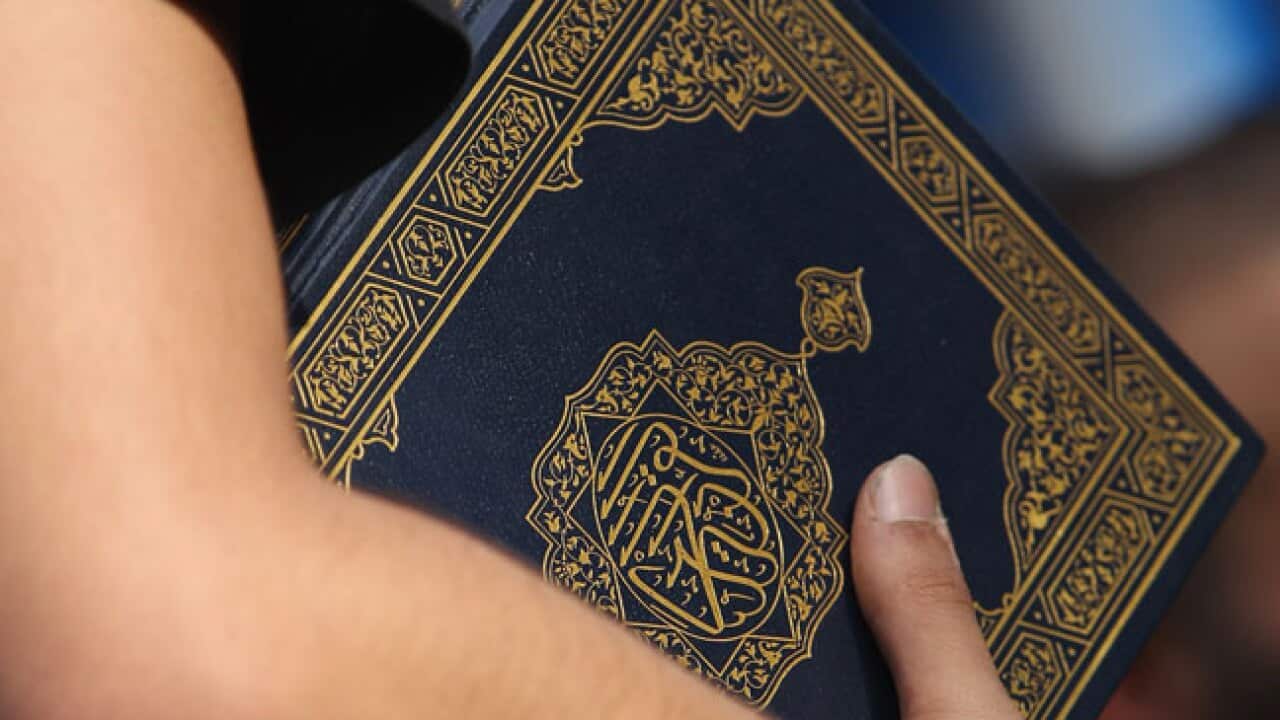
Rimsha was charged earlier this month with desecrating the Koran.
A mob drove her family and their Christian neighbours from their homes.
The Vatican has expressed its concern, saying Rimsha - who cannot read and made a living by collecting garbage - had simply picked up scraps of paper that turned out to have religious text on them.
Rimsha's fate should become clearer on Tuesday, when a report on her mental condition and her age is due in court.
She is being held in a maximum-security jail, where her lawyer says she is deeply traumatised. Her parents have been taken into protective custody.
"We see Rimsha as a test case for Pakistan's Muslims, Pakistan's minorities and for the government," Ashrafi told a news conference in Islamabad on Monday.
"We don't want to see injustice done with anyone. We will work to end this climate of fear. The accusers should be proceeded against with full force, so that no one would dare make spurious allegations.
"This is the first time in the history of Pakistan that Muslim community and scholars have stood up for non-Muslims," said Sajid Ishaq, the chairman of the Pakistan Interfaith League. "We are together, demanding justice, demanding an unbiased investigation."
It is risky in Pakistan even to discuss blasphemy, which carries the death penalty.
The police and the courts are usually too afraid to investigate the validity of blasphemy claims, leading to convictions on hearsay.







