Pakistan Prime Minister Yousuf Raza Gilani begins an official visit to China on Tuesday with the US killing of Osama Bin Laden expected to push Islamabad to seek closer ties with Beijing.
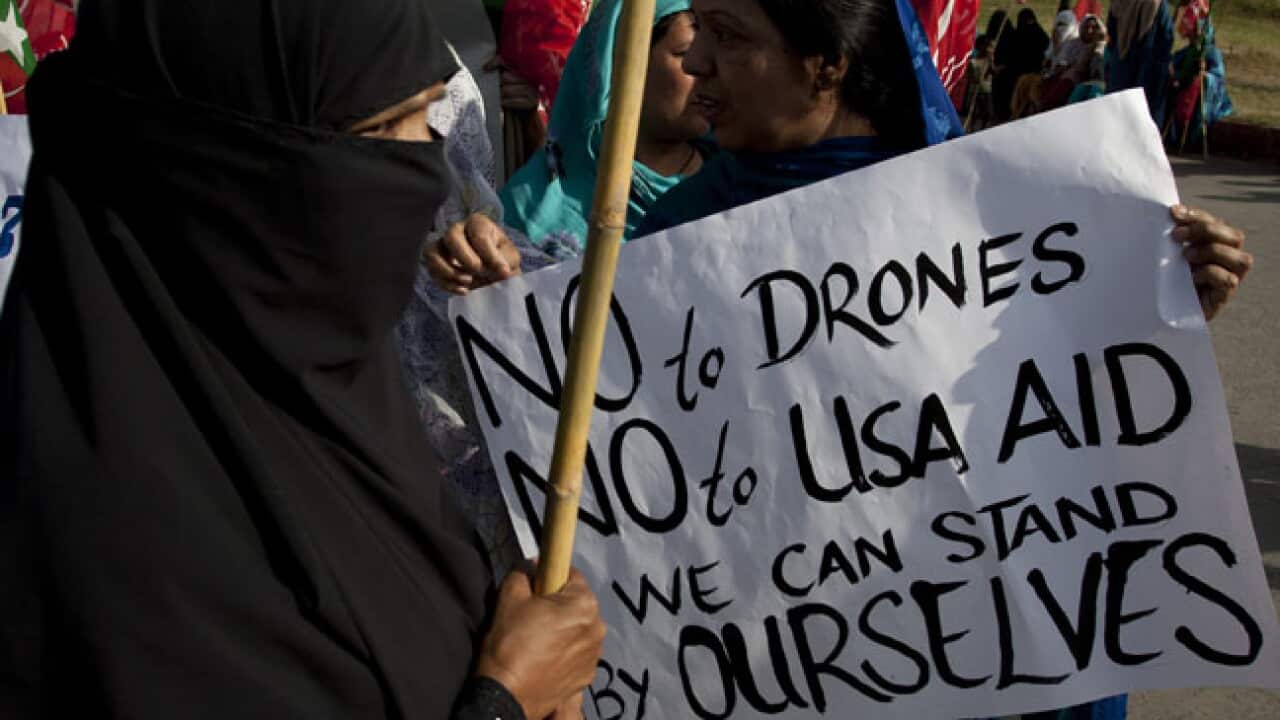
Gilani's four-day visit comes in the wake of the US operation to kill the terrorist mastermind on Pakistani soil, which has raised questions over the stability of US-Pakistan relations.
Gilani will speak at a cultural forum in the eastern city of Suzhou on Tuesday before travelling a day later to Beijing, where he will meet with President Hu Jintao and Premier Wen Jiabao.
News that makes sense
Your trusted source for staying up-to-date with the world around you. Get free daily news updates and analysis, straight to your inbox.
China is the main arms supplier to Pakistan, which sees Beijing as an important counter-balance to Pakistan's traditional rival India. India has recently tightened its ties with the United States, causing worry in Islamabad.
US special forces killed bin Laden at a compound near the country's top military academy on May 2, sparking speculation that Islamabad may have known about his whereabouts, as well as criticism over the impunity of the raid.
China has shown unswerving support for Pakistan since the episode, and Gilani is expected to seek a reaffirmation of Islamabad's "all-weather" friendship with Beijing.
In an address to parliament last week, he warned that Pakistan reserved the right to retaliate against any similar such US raid in future, while praising China as a "source of inspiration".
Facing weak Western investment in its moribund economy and crippling power shortages, Pakistan is looking for closer trade and energy ties with China.
Pakistan last week opened a 330-megawatt nuclear power plant in central Punjab province with Chinese help and said Beijing had been contracted to construct two more reactors.
The plans have triggered US concern over the safety of nuclear materials in the unstable, violence-plagued country where Muslim militancy is strong.
However, Andrew Small, an expert on China-Pakistan relations at the German Marshall Fund in the United States, said that despite its public statements, China has historically not offered significant economic support to Pakistan and has avoided stepping in between Islamabad and New Delhi.
"China is more comfortable now geopolitically in taking rhetorical positions and it has more money to put in, but they're not going to want to be in a position where they end up with Pakistan on their plate to deal with," he said.







