"The meeting of Pakistan's defence committee (DCC) of the cabinet has decided to reopen the NATO supplies," the minister of information, Qamar Zaman Kaira, told reporters in Islamabad.
The official announcement came after US Secretary of State Hillary Clinton said Tuesday Pakistan was re-opening the roads and that the United States was "sorry" for losses suffered by the Pakistani military in November.
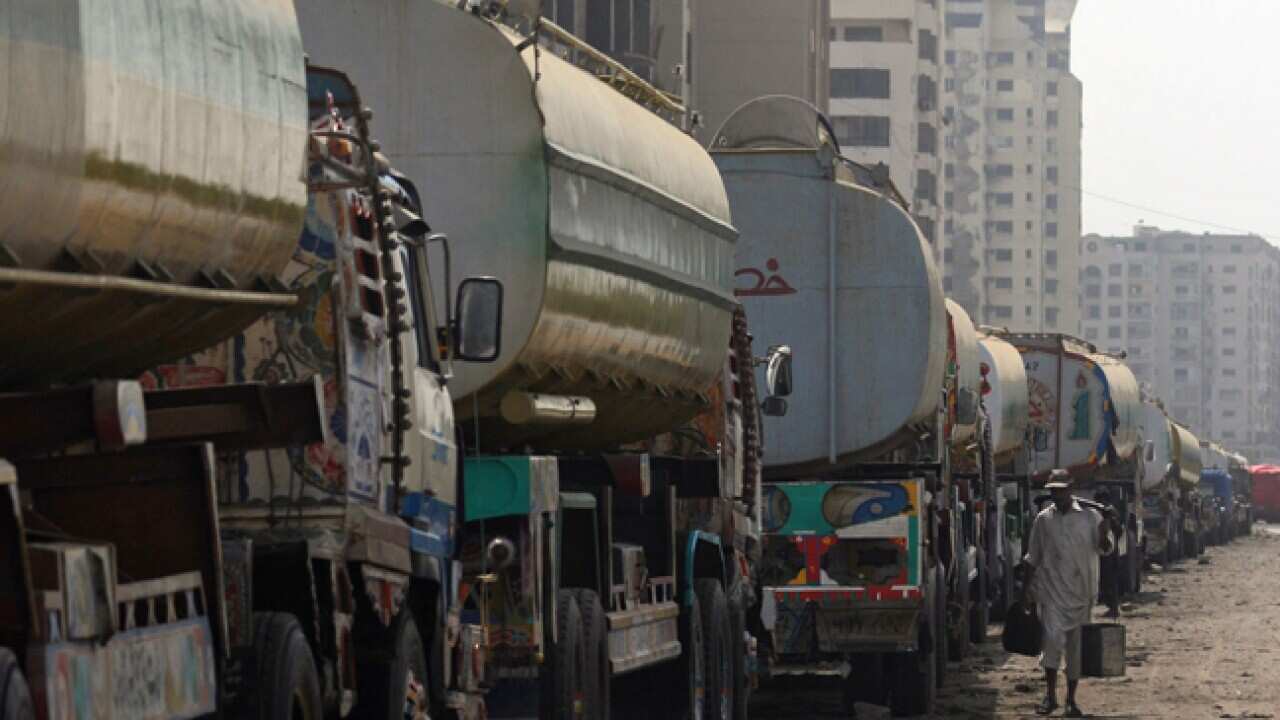
The supply routes have been shut since November when an American aircraft mistakenly killed 24 Pakistan soldiers, aggravating already difficult relations between Washington and Islamabad.
The announcement, following months of negotiations, will come as a relief to the United States and its NATO allies who need the routes for a planned withdrawal of combat forces from Afghanistan in 2014.
Prime Minister Raja Pervez Ashraf chaired the meeting which was attended by Pakistan's army chief, General Ashfaq Kayani, the head of the ISI intelligence agency, Zaheer ul Islam, and other senior ministers.
A statement from the prime minister's office said: "The DCC stressed that it was in Pakistan's interest to support the transition and the peace and reconciliation process in Afghanistan as NATO/ISAF forces drawdown by 2014.
"To enable a smooth transition in Afghanistan it was essential for the military drawdown at a lower cost and through an efficient transit facility.
The statement added: "Pakistan will continue not to charge any transit fee but the issue in the first place was not of financial gains but of the principle of sovereignty."
It also said: "The DCC also decided that no lethal cargo will go into Afghanistan except equipment for Afghan National Security Forces (ANSF), essential for ensuring peace and stability in Afghanistan."
Kaira added that Pakistan "had made it clear" it would "not tolerate any repetition of incidents" such as the one that shut the supply routes.
Earlier, Pakistan's new prime minister acknowledged that continuing the seven-month blockade was negatively affecting relations with the United States and other NATO member states.
Share


