
Oanh Nguyen is a classically trained singer and pianist. She and her husband Anh, an accomplished guitarist, are celebrating 30 years of teaching music in Australia, shortly after their arrival from Vietnam.
Music students both past and present joined the Nguyens in the Sydney suburb of Bankstown to perform at a concert, many of them children enrolled at the couple's Accelerated Centre for Education.
"The feeling is something special for this day," Oanh Nguyen said. "I really think the greatest achievement for me is the growth and the success of the students."
The Nguyens' legacy is the result of a risky decision they made to board a boat on the shores of Saigon in 1983.
News that makes sense
Your trusted source for staying up-to-date with the world around you. Get free daily news updates and analysis, straight to your inbox.
"It doesn't matter what you do, you can only step up in life if first you become a Communist party member. We defied that."
Following the rise of communism in Vietnam, the couple were among more than 170,000 asylum seekers who would eventually stay in the Galang refugee camp, an Indonesian island facility that operated for nearly 20 years.
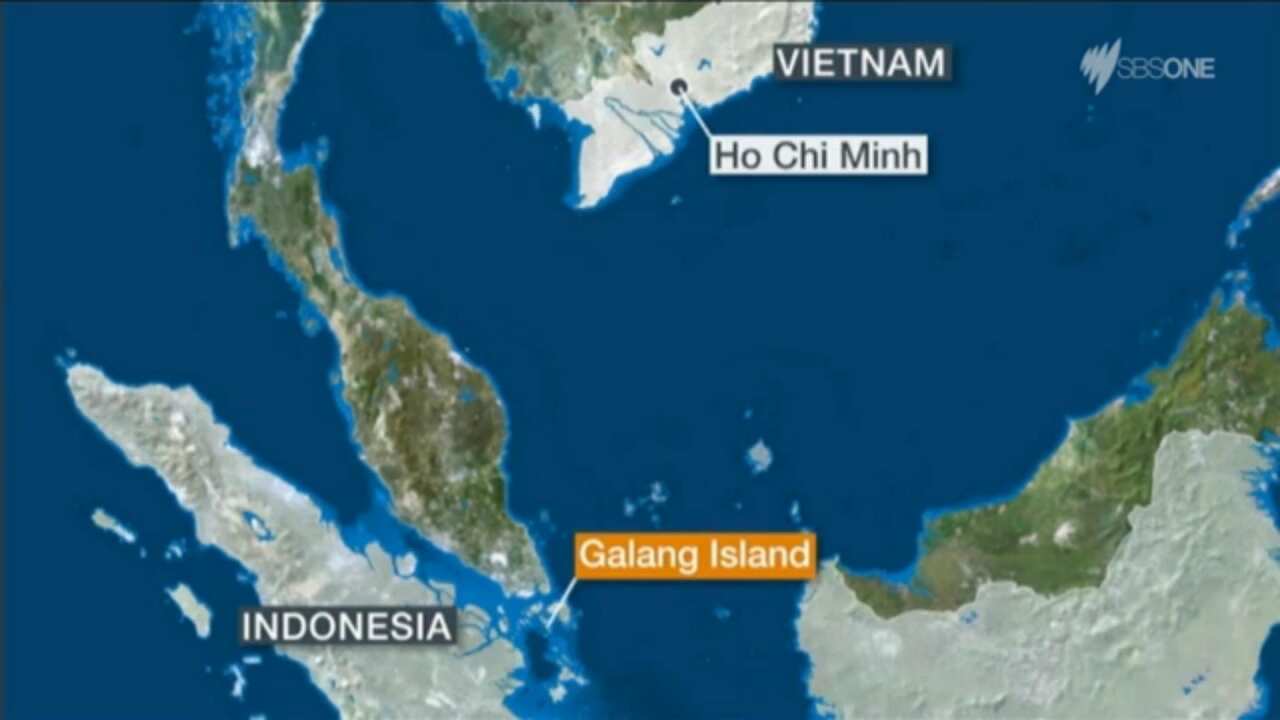
With cramped conditions and limited food, Anh Nguyen said life in Galang may not have been perfect but the alternative was far worse.
"At the time I think "we have no future"," Mr Nguyen said.
"[It] doesn't matter what you do, you can only step up in life if first you become a Communist party member. We defied that.
"Our next generation, our children, I don't think they should suffer such a situation. At the camp we were safe. That's much much better than in the trauma of Vietnam."
Family friend, Vinh Hoang, also stayed in Galang after fleeing Vietnam with little more than his camera.
Not only did he document his four day journey by boat, he was also able to take pictures during his 12 months on the island.
"They allowed us to carry on with our lives in the camp as we would normally live back home," Mr Hoang said.
"Security was managed by the local navy and police. The running of the camp was allocated to the refugees themselves. So we divised a kind of program in order to keep the camp running smoothly.
"At the weekend everyone had to go out and clean the surrounding of wherever they stayed. There was a Buddhist temple there, there was a church. Save The Children offered English classes, you could learn a trade inside the camp as well.
"We were very organised, but I never felt like I was imprisoned."
During her five months on the island. Oanh Nguyen said she helped organise musical activities.
"I joined a Catholic Youth group and I also conducted the church choir there," she said. "(We even) performed some concerts there. We have a positive attitude so as far as we have enough food, as far as we have activities to occupy us and to enjoy a performed concert, we are lucky."
"Back then we had hopes when we were in the camp, everyone is busy working towards a goal. But now I guess those people in those detention centres, they don't have any hopes."
As a journalist for SBS's Vietnamese language program, Vinh Hoang said his time at Galang doesn't compare to what he's heard from refugees who've been housed in Australian detention centres.
"They told us stories like they weren't even allowed to gather to pray," he said. "Let's face it, asylum seekers are not criminals.
"Back then we had hopes when we were in the camp, everyone is busy working towards a goal.
"But now I guess those people in those detention centres, they don't have any hopes."
Nelly Nguyen arrived in Galang on the same boat as Mr Hoang back in 1983, where she also served as an interpreter for the UNHCR.
She's only recently seen his photos for the first time, which she said serve as a reminder of just how lucky she is to call Australia home.
"I'm also thinking about the unlucky ones who have lost their family," she said.
"It reminds us of those who weren't lucky enough to make it. I think it was the motivation of the people to be well disciplined, to try their best to do well regardless of all the hardship. So a little bit less water, a little bit less food, that's fine, we get on."







