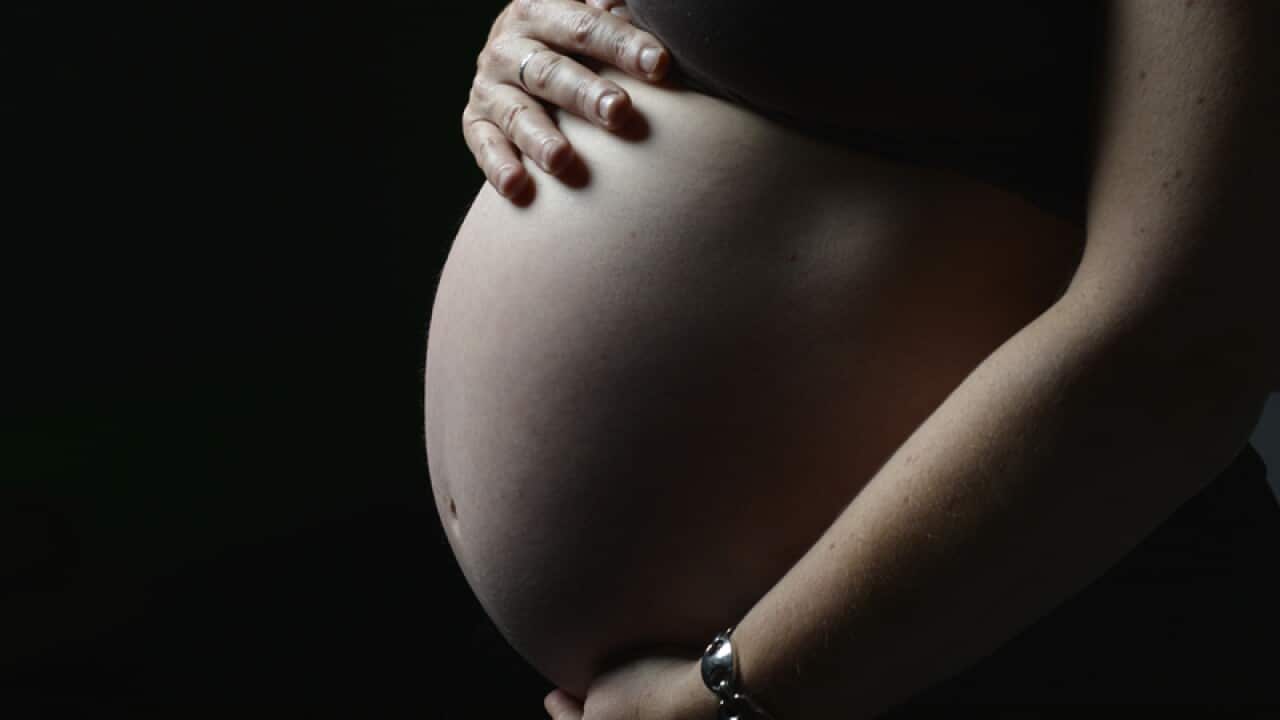
Babies born before 39 weeks and via either a caesarean section or induction of labour are at greater risk of developing learning difficulties, new Australian research suggests.
A study led by researchers at the University of Sydney and published in international journal Pediatrics has found an association between planned birth and poor child development at school age.
For every week a baby was born through planned birth before the optimal date this risk increased, according to senior author, Associate Professor Natasha Nassar.
Planned, or scheduled, births occur where a considered decision is made by the doctor and, or, parents to deliver a baby before the ideal time of birth at 39-40 weeks' gestation.
Most are conducted to ensure the safety of the mother and baby, however the study has called into question the practice of a planned birth when not unavoidable.
Researchers assessed the development of more than 150,000 children using the Australian Early Development Census instrument in five domains; physical health and wellbeing, language and cognition, social competence, emotional maturity and general knowledge and communication.
Those who scored in the bottom 10 per cent on two or more domains were classified as 'developmentally high risk'.
Compared to children born vaginally following spontaneous labour, the risk of the child being 'developmentally high risk' was 26 per cent higher for those born at 37 weeks gestation.
This risk reduced to 13 per cent for babies born at 38 weeks and this was after taking account of other factors including lower maternal age, maternal smoking and socio-economic disadvantage.
The association between being born early and poorer developmental outcomes is well established and this is further exacerbated in the case of planned birth, says Associate Prof Nassar.
"It's that combined risk of being delivered by these intervention measures and before the due date," she said.
She says delaying the birth by one or two weeks when there is no other risk to the baby or mother could make a huge difference to the child at school age.
"There are women in our analysis where they have no other risk factors that are being delivered early and we don't know why that is," said Associate Prof Nassar.
Jason Bentley from the Menzies Centre for Health Policy, who led the study, believes there is an urgent need for strategies to inform more judicious clinical decision making about the timing of planned birth.
"In cases where labour occurs naturally before 39 weeks or planned birth is unavoidable, it is important that there are appropriate interventions and support in early childhood for these potentially vulnerable children," Mr Bentley said.
Share


