
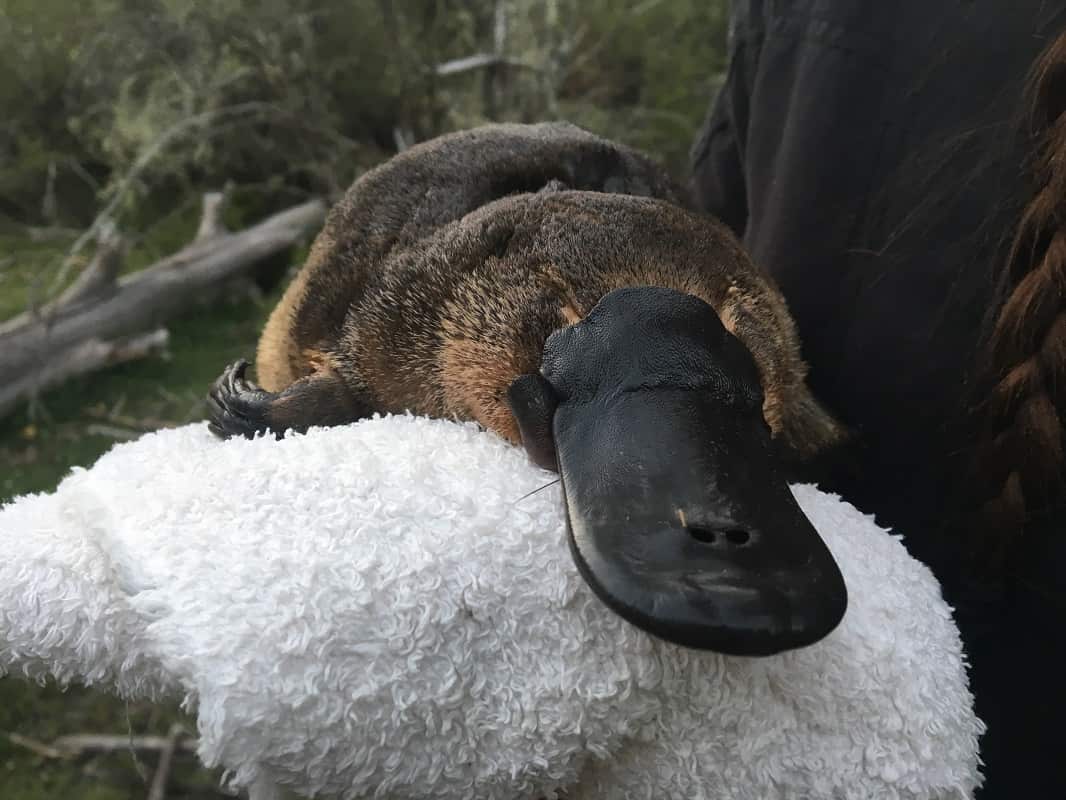
It's arguably Australia's most iconic animal and its venom could hold the answer to the world's superbug woes, it may even be used to treat diabetes - but the very existence of the Platypus is under threat.
The Australian monotreme's numbers have dropped by one third in 200 years, according to new research funded by the Australian Research Council.
“We have great concerns about the future survival of this unique species,” Professor Richard Kingsford, director of the UNSW Centre for Ecosystem Science, said.
News that makes sense
Your trusted source for staying up-to-date with the world around you. Get free daily news updates and analysis, straight to your inbox.
For three years, Professor Kingsford and his team of researchers have conducted a Platypus national risk assessment - compiling a database of the distribution and abundance of the animal over the past two centuries.
It has found declines of up to 30 per cent across its range since European settlement, with local area declines and extinctions increasingly reported.
A combination of river regulation and flow disruptions, increasing agricultural land use, pollution, and the accidental capture of platypus in fishing and yabby nets have been blamed for falling numbers.
“Our national survey shows great variability in platypus numbers throughout their range in eastern Australia,” UNSW researcher Dr Gilad Bino said.
“On degraded rivers, typically below dams and in regions of high agricultural land use, we generally see lower numbers of platypus, likely due to the impacts these threats have on bank erosion and availability of macroinvertebrate food sources."
The researchers warn that a rare sighting of this "cryptic" animal is not indicative of a healthy population and have called for greater conservation efforts to save the platypus.
Ensuring its survival, could save lives
Earlier this year CSIRO scientists announced they had pin-pointed a curly protein in the native animal's milk - dubbed the "Shirley Temple" that could be used to kill off bacteria resistant to antibiotics.
The platypus is a monotreme, which along with echidnas, are the only mammals that lay eggs and produce milk to feed their young.
But because they don't have teats, they express their highly-nutritious milk onto their belly - leaving it exposed to the environment.
And that's why researchers believe it is so potent.
"By taking a closer look at their milk, we've characterised a new protein that has unique antibacterial properties with the potential to save lives," CSIRO scientist Dr Janet Newman said.
The playtpus has also been positioned as a weapon against diabetes - a disease that affects thousands of people.
Scientist are investigating whether the monotreme's glucagon-like peptide-1 (GLP-1), an insulin stimulating hormone, can be modified to form a diabetes treatment.







