
Federal Parliament has no plans to reopen to the public despite coronavirus restrictions easing around the country.
It has been two months since the public has been allowed to visit Parliament House and it could be a fair while longer until they are allowed to return.
“I’ve got to say it’s something that hasn’t even been contemplated, at this point in time,” House of Representatives Speaker Tony Smith said.
“It’s not to say everyone’s not looking forward to that day when we’re able to do that, but of course, at this point in time, it’s not possible.”
It is one of many changes made to how parliament will work as Australia begins to adjust to a new normal.
News that makes sense
Your trusted source for staying up-to-date with the world around you. Get free daily news updates and analysis, straight to your inbox.
The House of Representatives and Senate sat for the first time in eight weeks on 12 May after parliament was adjourned on 23 March due to the global coronavirus pandemic.
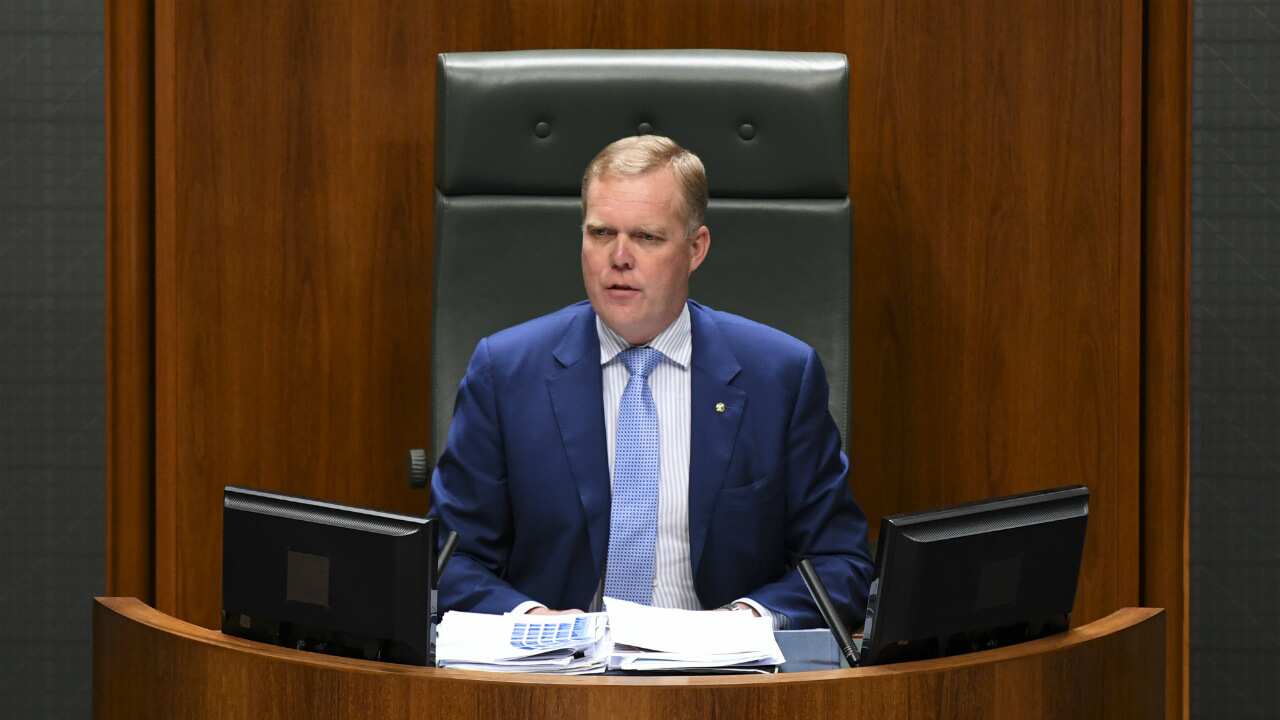
It was a very different scene for returning members as new social distancing protocols created some major challenges, including being unable to fit everyone into the House of Representatives.
Mr Smith said it has taken some outside-the-box thinking to have the place running smoothly as politicians plot Australia’s response to the pandemic.
“The government and the opposition have worked collaboratively to help decide who will be in the chamber and where they will be sitting,” he said.
“There have also been changes in some of the procedures, such as a division, so we don’t undo all of our efforts by people moving around when they cross the floor.
“There have also been a large number of pairs where members have agreed not to vote.”
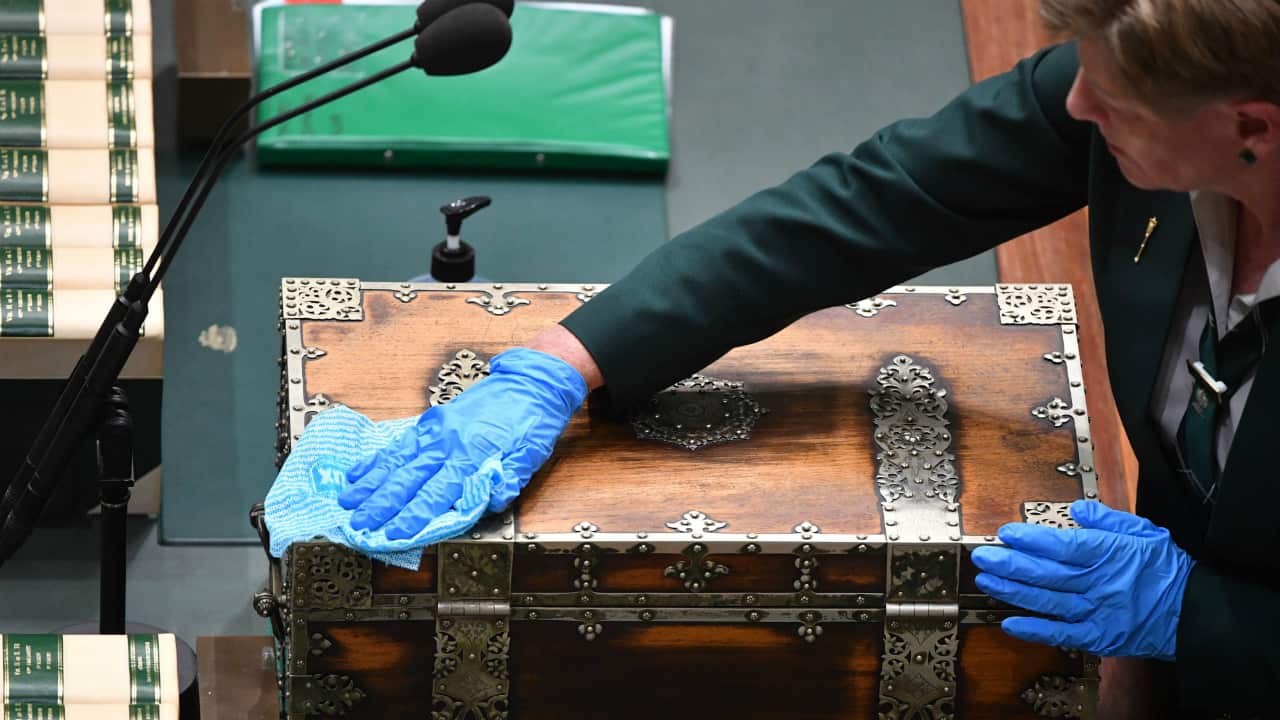
There have also been other smaller changes such as increased access to hand sanitiser and extra cleaning being done.
A new sitting schedule was released last week with both the government and opposition determined to get back to business as usual.
Despite all the difficulties and changes, Mr Smith said it was “vital” parliament continued to meet throughout the crisis and described the first day back as “surreal”.
“They have to enact the laws that are required during the crisis, to pass those bills, so that all of the important resources and financial support could go to Australians in great need,” he said.
“There was so much focus on getting the legislation through and the gravity of the situation that it made for a very quiet chamber.”
“It’s not just the floor of the house but the fact there is no one in the gallery.”
With face-to-face meetings scrapped, technology has taken on an increased importance to keep the wheels of government turning smoothly.
Mr Smith said committee meetings have been run over video conferencing software Zoom while constituents have been asked to contact their local member via email or on the phone.
While Parliament House remains closed to the public, front of house and other day to day staff have been given other important roles inside the building.
“There are many things at Parliament House which aren’t operating as normal and so what was decided for those staff who were able to volunteer, is they would help process JobSeeker clients,” Mr Smith said.
“Quite a large number of staff have been trained to do that with the more claims processed quickly the more people are helped directly. “
People in Australia must stay at least 1.5 metres away from others.
Check your state’s restrictions on gathering limits. Testing for coronavirus is now widely available across Australia.
If you are experiencing cold or flu symptoms, arrange a test by calling your doctor or contact the Coronavirus Health Information Hotline on 1800 020 080.
The federal government's coronavirus tracing app COVIDSafe is available for download from your phone's app store. SBS is committed to informing Australia’s diverse communities about the latest COVID-19 developments.
News and information is available in 63 languages at sbs.com.au/coronavirus.







