
Australia's population has ticked over to 24 million - 17 years ahead of schedule. Today, the average annual net salary is $68,000 and the median Australian house price is close to $660,000.
But what was Australia like at 14 million? Or four million?
Population 14 million: 1976
Image
- In 1976, Australia’s population hit 14 million. The average annual salary was $10,000 (around $59,600 today) and Australia’s median house price sat at around $32,000 ($190,000 today). Sydney was the most expensive city to buy a house, closely followed by Melbourne and Canberra.
News that makes sense
Your trusted source for staying up-to-date with the world around you. Get free daily news updates and analysis, straight to your inbox.
- Record players were blasting 'Don’t Go Breaking My Heart' by Elton John and Kiki Dee, and ABBA was taking Australia by storm. Colour television had just hit Australia and the nation’s beer consumption peaked at an average of 140 litres a year for every person aged over 15.
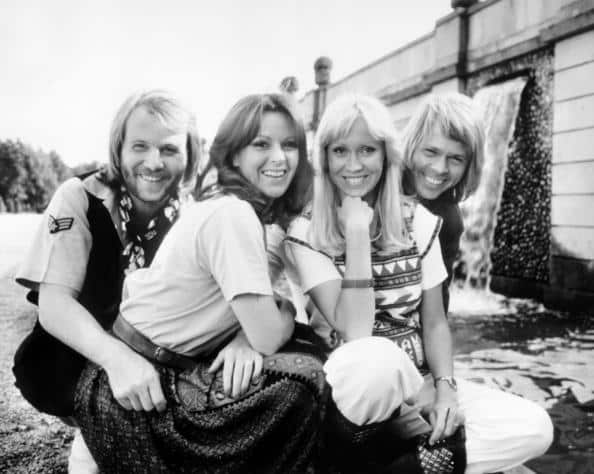
- The 1970s was an era of female liberation, and the fashion of 1976 reflected this. Women could be seen channeling their inner Charlie’s Angel wearing bright coloured prints, platform wedges and denim flares. Coloured flares and matching suit jackets were the top trend for men.
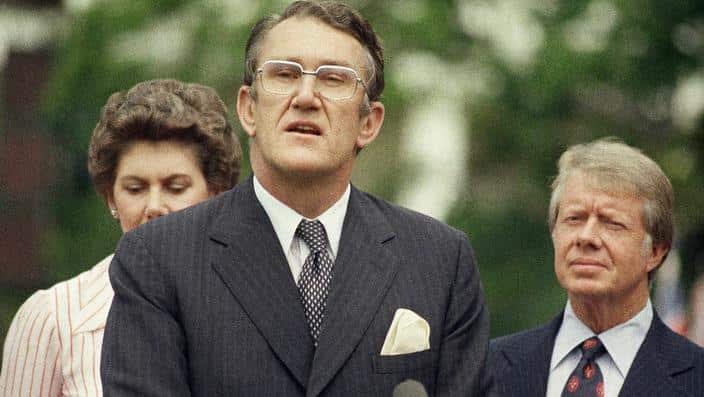
- In politics, Malcolm Fraser led a Liberal government as Prime Minister of Australia. In 1976 he addressed key issues surrounding international relations, tobacco advertising and Aboriginal land rights.
- The Aboriginal Land Rights (Northern Territory) Act was enacted in 1976. It was the first attempt by an Australian government to legally recognise the Aboriginal system of land ownership and set up processes for Indigenous Australians to reclaim land.
Image
- In 1976 Australia signed a Treaty of Friendship with Japan, establishing important trade relations between the two nations.
- And, after a three-year phase out period, Australia enacted a nation-wide ban of cigarette and tobacco advertising on radio and TV.
Population 4 million: 1905 Image
- Seventy-one years earlier Australia’s population was four million. In 1905, workers earned an average wage of 150 pounds a year, equating to around $20,000 today. Melbourne was the most expensive city to live closely followed by Sydney.
- Young women wore gathered net skirts over petticoats or bloomers, and brightly coloured leather belts with plain white frocks.
- Measles, whooping cough and diphtheria were major health concerns and an outbreak of pneumonic plague swept through parts of Queensland.
- Meat, bread and butter were household staples, with most food locally produced and reasonably cheap. But even then, Australians had a sweet tooth. Each person is estimated to have eaten approximately 50 kilograms of sugar a year.
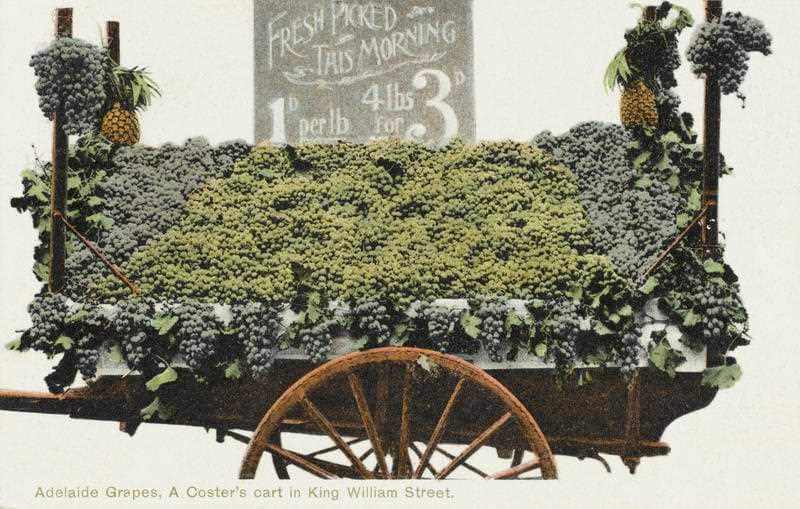
- The key political issue of 1905 was the protection of Australian jobs and trade. Governments faced a declining birth rate but feared increasing immigration numbers would cost Australians their jobs.
- Prime Minister Alfred Deakin introduced the Contract Migrants Act 1905 which allowed migrants to enter Australia under contract, so long as they passed a dictation test and didn’t threaten the jobs of Australian workers. A racial hierarchy favoured European migrants of good character.
- The Aborigines Act of 1905 was enacted at the time to provide for “the better protection and care of the Aboriginal inhabitants of Western Australia” by making a “Chief Protector” legal guardian of every Aboriginal and ‘half-caste’ child under 16 years. The law had far-reaching impacts on Indigenous communities and was repealed by the Native Welfare Act of 1963.
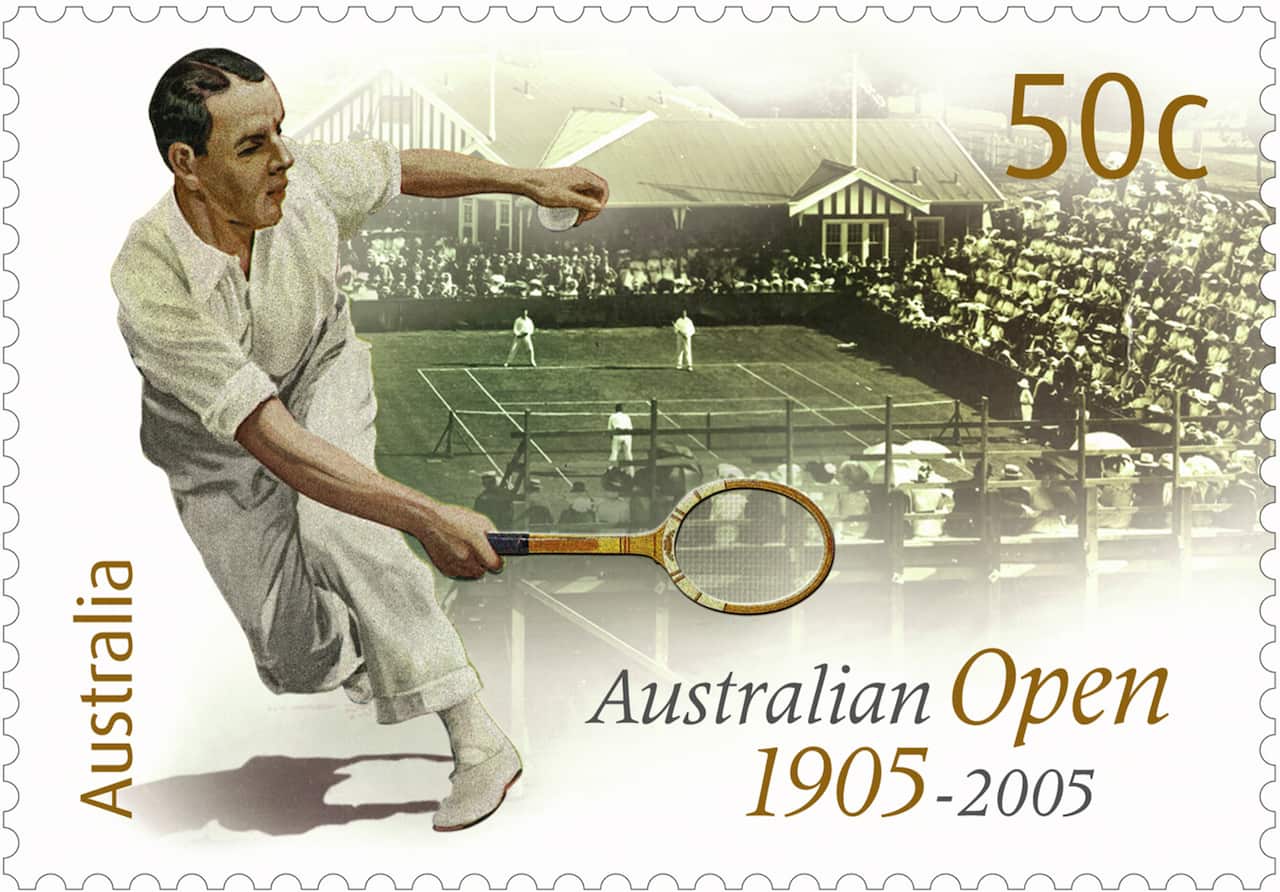
- 1905 was a year of firsts for Australia. The Australian Council of Defence held its inaugural meeting, women were permitted to vote in the Queensland State Election for the first time, and the first Australian Open tennis tournament was held in Melbourne.
Share







