British engineers have designed a low-cost portable device to help protect vulnerable communities in Colombia from unsafe water.
The South American country is the third most mercury-contaminated country in the world, due largely to intense illegal metal mining.
The new device measures chemicals in the water and has been developed by academics at the University of Bath and Universidad de los Andes in Bogota.
It not only provides a simple and real-time way of testing water systems but can also simultaneously upload the findings to a web-based platform via a mobile app.
The acquired data is public and can be accessed from anywhere in the world.
News that makes sense
Your trusted source for staying up-to-date with the world around you. Get free daily news updates and analysis, straight to your inbox.
The device measures four key variables in water including pH levels, conductivity, temperature and dissolved oxygen.
It also monitors the presence of heavy metals in water, including mercury.
The mercury significantly pollutes the water and sediments of rivers, including parts of the Amazon River.
The pollution builds up in the food chain, primarily within fish consumed by local people, but it can also reach fruit and vegetables through irrigation.
In the dry season, river water becomes the major source of drinking water in many areas and particularly affects rural indigenous communities.
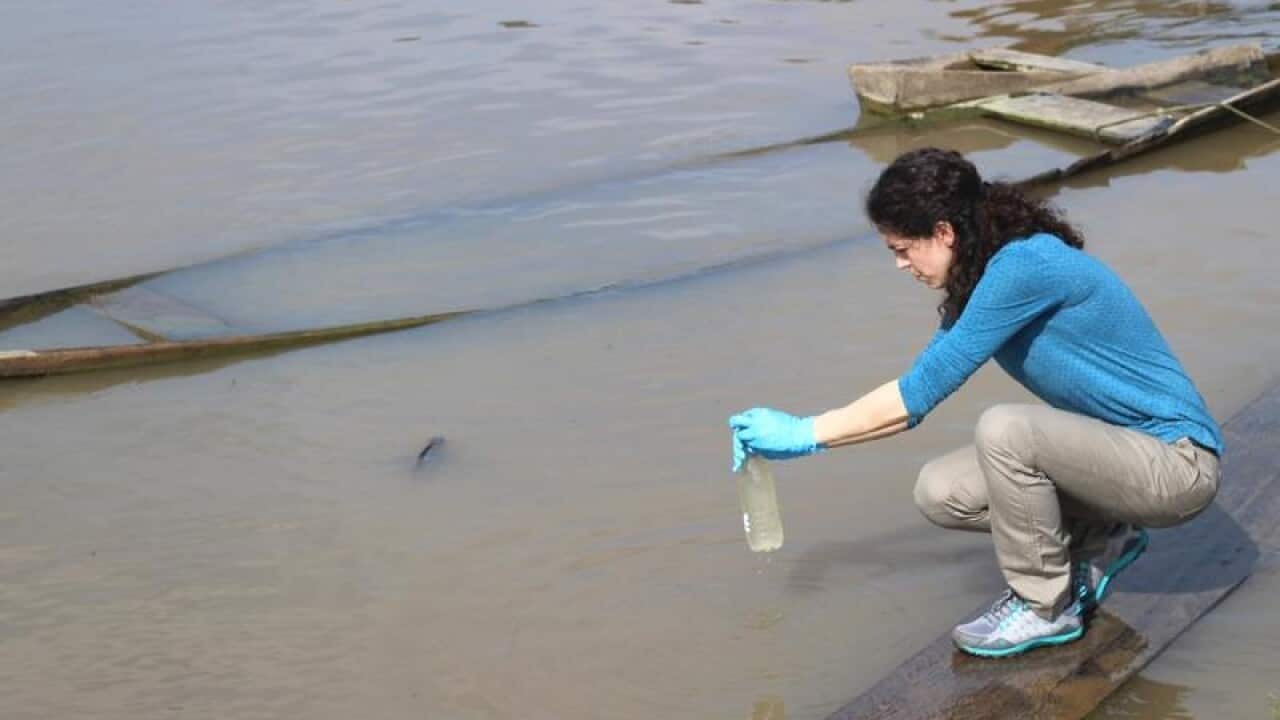
The device was tested with the indigenous community of the Resguardo Santa Sofia, at the southern tip of the Amazonas region of Colombia.
The research team spent nearly three weeks in the Amazon testing the sensor to ensure it met their needs and was easy to use.
The researchers expect that by being able to map out areas of water affected by mercury as well as providing users with key water variable readings, this approach will help prevent the spread of water-borne diseases.







