Former Prime Minister John Howard says he sees no problem with media organisations publishing leaked information if it contains nothing more than "frank commentary" about political leaders.
A critique of former prime minister Kevin Rudd came to light on Wednesday as details of cables sent by the US embassy in Canberra to US secretaries of state Condoleezza Rice and Hillary Clinton were published in Fairfax newspapers.
The Sydney Morning Herald, which says it sourced the cables from WikiLeaks, said Mr Rudd, who is now Australia's Foreign Affairs Minister, was described as a control freak with abrasive and impulsive tendencies.
"To publish some cables containing commentary about political figures, while it's very uncomfortable for the diplomat involved ... and uncomfortable to the subject, you can't expect a journalist to hold back on something like that," Mr Howard told ABC Radio in Darwin on Wednesday.
"I'm sure things had been said about me.
News that makes sense
Your trusted source for staying up-to-date with the world around you. Get free daily news updates and analysis, straight to your inbox.
"It's embarrassing when it happens but ... you can't condemn the media for running this stuff."
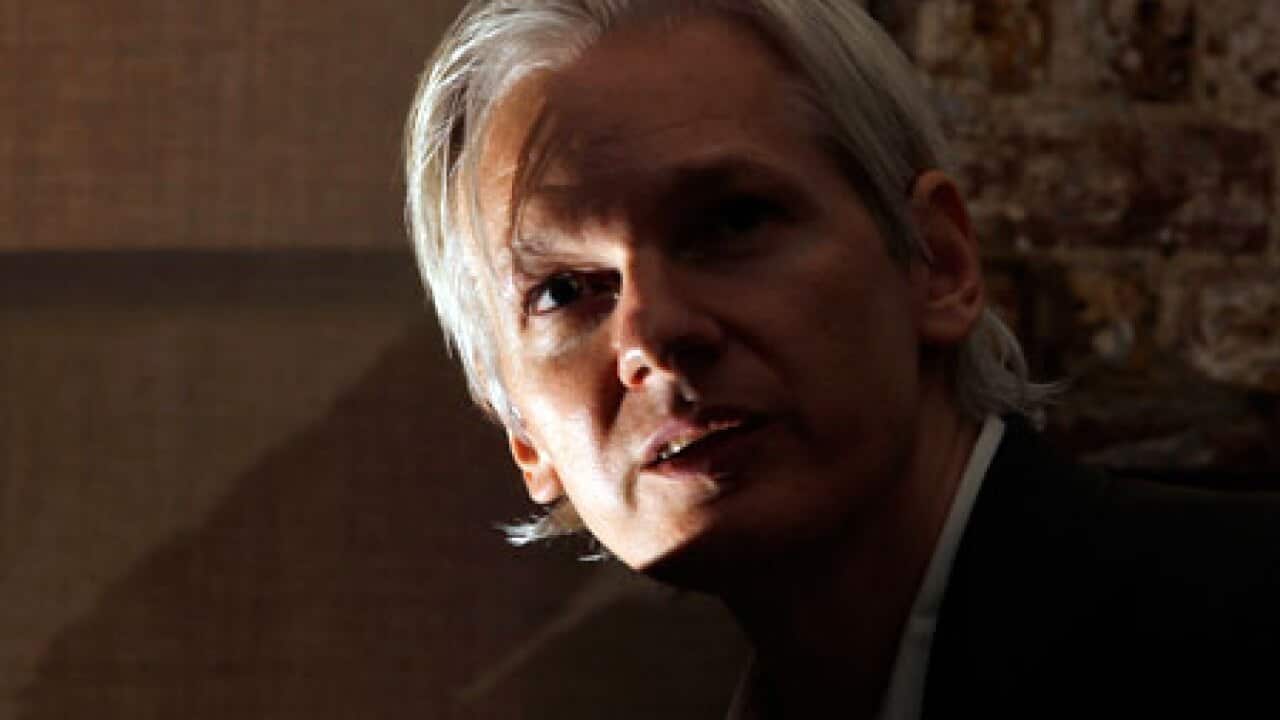
WikiLeaks founder Julian Assange was arrested by English police overnight in relation to a Swedish allegation of rape. Mr Assange, a 39-year-old Australian, has vehemently denied the Swedish charges.
Mr Howard said charges against Mr Assange were unrelated to the Wikileaks website, which continues to publish items from the promised 251,287 classified United States diplomatic cables it has in its possession.
"And I would expect the Australian government would ask for him to be dealt with like any other foreigner in that situation and that he be given the assistance he's entitled to," Mr Howard said.
He said claims that Mr Assange been abandoned by the Australian government were not entirely accurate.
"Any Australian citizen who leaves this country can't expect to carry any special protection under Australian law in another country. "We are all subject to the laws of the country in which we operate."
By Wednesday morning (AEDT) WikiLeaks had published more than 1000 cables. Mr Howard said Mr Assange had not done anything wrong by publishing cables that contained "frank commentary".
"Any journalist will publish confidential information if he or she gets hold of it, subject only to compelling national security interests.
"The issue is whether any of this material and the publication of it will endanger people lives or endangers individual countries.
"The bad people in this little exercise are the people who gave the information to him, because they're the people who breached the trust," he said. "They deserve to be chased and prosecuted."







