Egypt's constitution-drafting panel has approved a charter that preserves the military's wide-ranging powers, including the ability to try civilians, as police fired tear gas to disperse Islamists in Tahrir Square.
The charter will be submitted to a popular referendum early next year that has been billed as the first stage in a "democratic transition" promised by the military-installed authorities following the ouster of Islamist president Mohamed Morsi in July.
The charter approved by the 50-member panel on Sunday allows the military to prosecute civilians in some cases, appoint the defence minister and keep its budget beyond any civilian scrutiny - powers held by the legislature, executive and judiciary of most democracies.
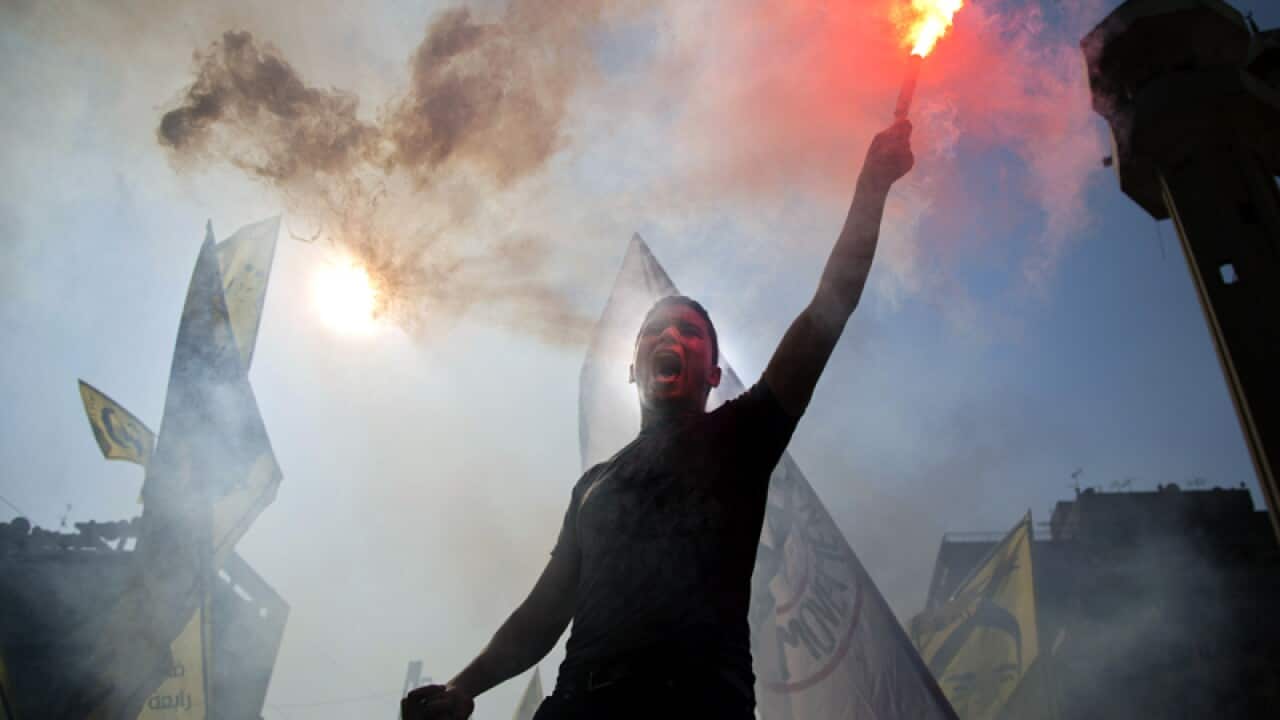
More than 2000 pro-Morsi university students meanwhile gathered in Cairo's Tahrir Square in the biggest Islamist demonstration there since Morsi's ouster. Tahrir was the epicentre of the 2011 revolt that toppled long-ruling president Hosni Mubarak.
Police fired tear gas to disperse the protesters in Tahrir and another pro-Morsi demonstration near the High Court, with security forces and Morsi opponents chasing the Islamists through downtown streets filled with tear gas and smoke from burning tyres, the violence underscoring Egypt's severe polarisation.
News that makes sense
Your trusted source for staying up-to-date with the world around you. Get free daily news updates and analysis, straight to your inbox.
Morsi, Egypt's first democratically elected president, was overthrown on July 3, and in mid-August the security forces launched a sweeping crackdown on his supporters which has left more than 1000 people killed and thousands more jailed.
On Sunday, authorities extended the detention of prominent secular activist Alaa Abdel Fattah by 15 days after he was arrested for holding an unauthorised demonstration against the provision in the draft charter allowing military trials of civilians.
His detention is expected to further anger secular activists who are furious over the provisions concerning the military. Another 24 activists also saw their detention extended by 15 days on Sunday.
The most controversial article approved by the panel on Sunday states that "no civilian can be tried by military judges, except for crimes of direct attacks on armed forces, military installations and military personnel."
Secular activists had demonstrated against the provision, fearing it could be applied to protesters, journalists and dissidents like Abdel Fattah, who is accused of breaking a new protest law, inciting protesters to riot and block roads, and beating a police officer.
A law passed earlier this month, which requires permits for all public gatherings, has angered secular and human rights groups, especially since the military justified its removal of Morsi by saying it was responding to mass protests.
On Sunday the army came in for more criticism from Human Rights Watch, which accused it of "forcibly disappearing" five top Morsi aides since his ouster.
The constitution panel approved an article stipulating that the defence minister be appointed in agreement with the military, although panel spokesman Mohammed Salmawy said this clause will only apply during the first two presidential terms.
Army chief and defence minister General Abdel Fattah al-Sisi is hugely popular and seen as the real power behind the interim government after he led Morsi's ouster.







