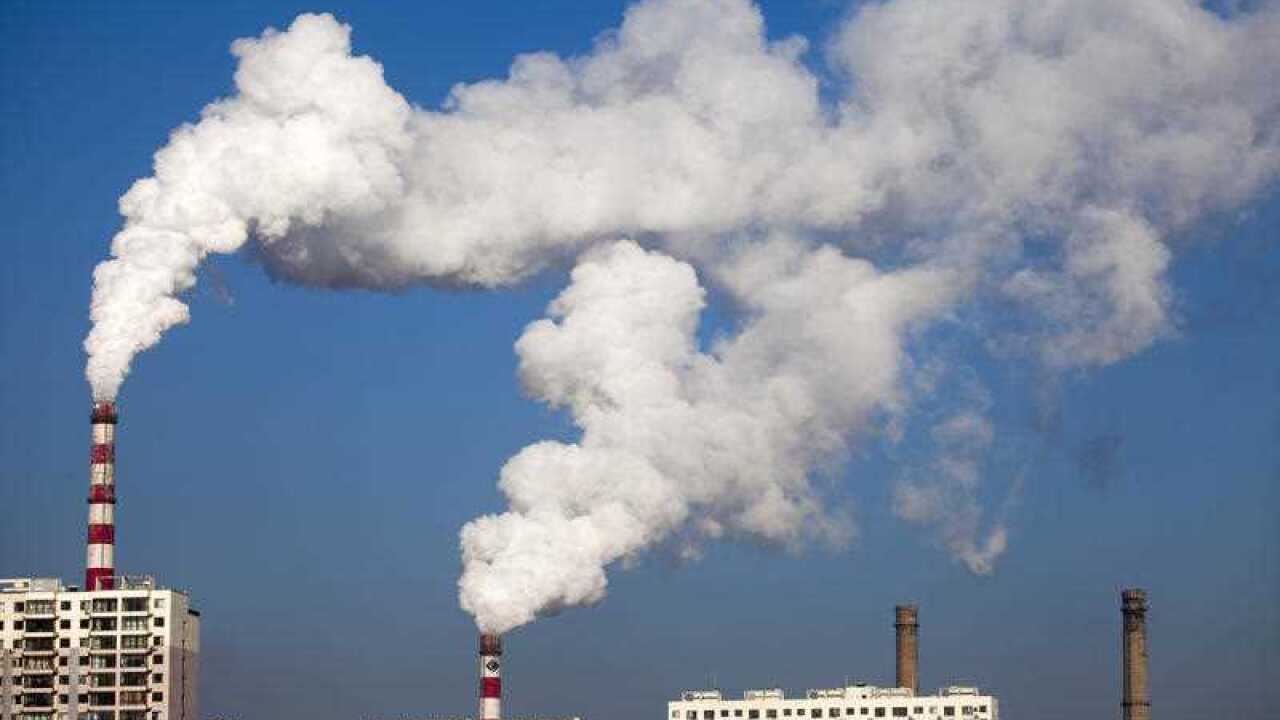
The International Energy Agency's (IEA) first report on meeting the climate target aspired to in the Paris agreement comes as more than 190 nations meet in Marrakesh, Morocco, to thrash out the details of the global deal forged last year.
"The unavoidable conclusion is that there is an urgent need for immediate radical reductions in energy sector CO2 (carbon dioxide) emissions if there is to be any chance of achieving the 1.5 degree Celsius goal," the IEA said in its World Energy Outlook 2016.
Some 90 per cent of electricity production would need to come from nuclear power plants or renewables such as wind and solar, while fossil fuel generation such as gas would need technology to capture and store emissions, the report said.
Under the IEA's new policies scenario, which factors in adopted measures as well as declared policy intentions, renewable electricity generation is expected to make up 37 per cent of the total by 2040.
News that makes sense
Your trusted source for staying up-to-date with the world around you. Get free daily news updates and analysis, straight to your inbox.
In addition, all passenger and light-commercial vehicles would need to be electric, while trucks and buses also need to be increasingly electrified for the 1.5 degree goal to be met, the report said.
Just 1.3 million out of a global stock of nearly 1 billion cars would be powered by electricity by the end of 2016, the IEA said.
Around 100 nations have ratified the Paris agreement, which came into force on November 4 and seeks to limit temperatures rises to well below 2 degrees Celsius above pre-industrial levels and "pursue efforts" to limit the rise in temperatures to 1.5 degrees.
Scientists say warming must be kept below 2 degrees by the end of the century to stave off the worst effects of climate change such as floods, droughts and rising sea levels.







