
In brief
- The RBA is due to make its next rates decision at 2.30pm on Tuesday.
- The call could send interest rates up for the fourth time this year.
The Reserve Bank of Australia (RBA) is poised to make its next cash rate decision, with all major financial institutions agreeing that a rate hike is all but inevitable.
The 'big four' banks and financial markets have priced in an 80 to 90 per cent probability of a 25 percentage point increase, pushing the cash rate from 4.35 per cent to 4.6 per cent — its highest level since 2011.
The RBA is expected to view inflation risks as materialising faster and higher than previously forecast, demanding another rate hike.
The prolonged conflict in the Middle East, which has escalated and expanded in recent weeks, has pushed Brent crude oil prices to their highest level in months.
Domestic demand, GDP growth, and employment have proven to be far more resilient than expected, while Australia's productivity remains sluggish.
News that makes sense
Your trusted source for staying up-to-date with the world around you. Get free daily news updates and analysis, straight to your inbox.
The latest figures, which will be updated on Tuesday, show headline inflation is 3.5 per cent, while the trimmed mean — a measure of inflation that removes the biggest price swings — sits at 3.6 per cent.
Fuel costs, housing construction, and dining out expenses are the main drivers of inflation at present, Australian Bureau of Statistics data show, pushing it well above the RBA's 2 to 3 per cent target.
Richard Witten, money expert at the comparison site Finder, told SBS News that Australia is at the mercy of "global inflationary pressures" with little agency over the issue, but that the RBA "has a mandate to keep inflation down" and that "their main tool for doing that is rate rises".
The big four predict the RBA decision
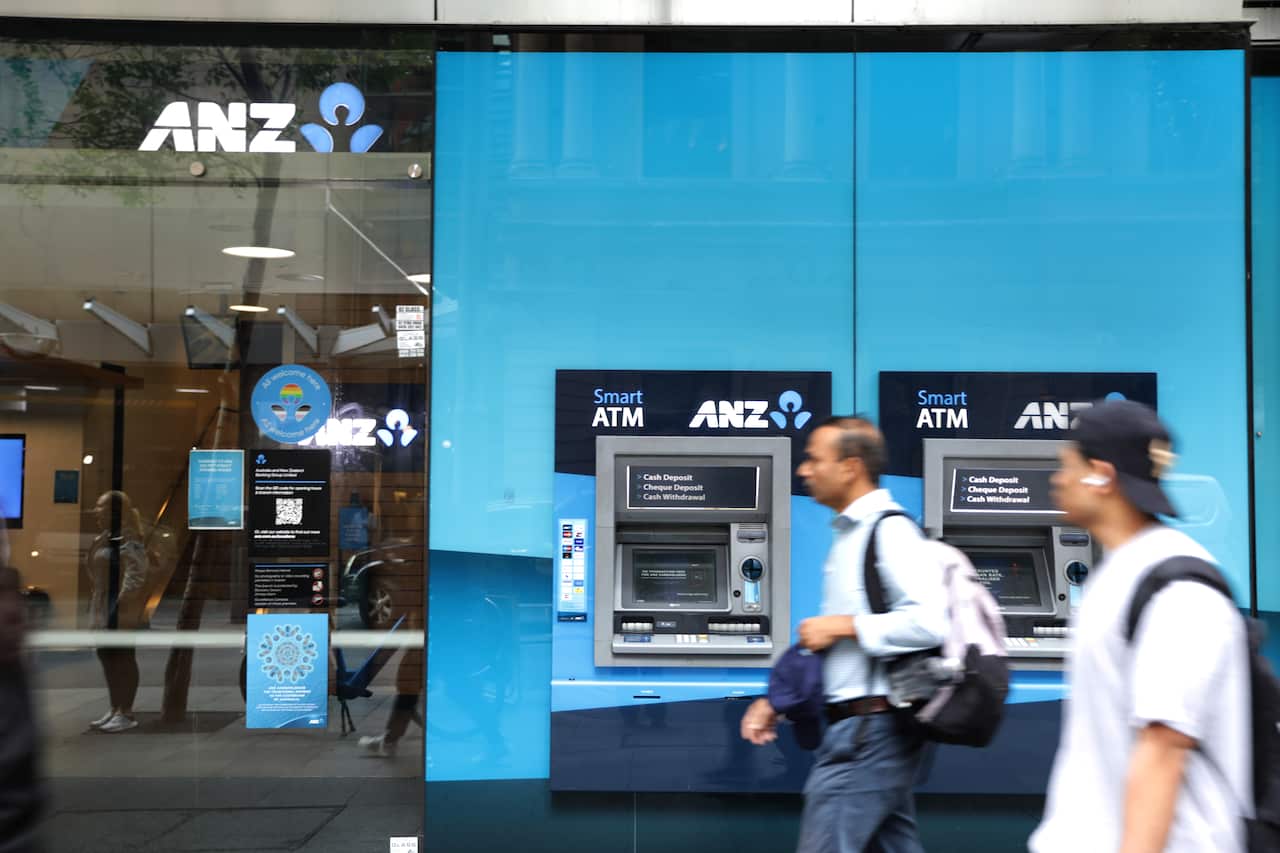
This is the first time in this current cycle that all four of Australia's major trading banks — Commonwealth Bank (CBA), Westpac, National Australia Bank (NAB), and ANZ — are forecasting a 0.25 per cent increase.
ANZ economists have said the RBA no longer views recent energy price spikes as a temporary blip, but as a broader, long-term inflationary risk they want to suppress. It has already predicted back-to-back rate rises, with another hike coming in November.
Westpac and CBA both brought their November hike prediction forward to this month. While they believe 4.6 per cent is the likely peak this cycle, both will be watching the RBA's explanation closely.
CBA said that if Tuesday's data shows a quarterly trimmed mean inflation rise of 1 per cent or more, a second rate hike in November will likely be triggered.
NAB said a single 0.25 per cent increase is the likely scenario, although a follow-up increase does remain a risk depending on labour data.
What another rate rise means for borrowers
If banks fully pass on the 0.25 per cent increase, borrowers can expect to pay hundreds of dollars more to service their loans.
The average home loan in Australia currently sits at $731,000, ranging from an average of $516,000 in Tasmania to $842,000 in NSW, according to ABS and Canstar data. First home buyers hold an average loan of $610,000.
The current average variable rate is between 6.24 and 6.62 per cent for owner-occupiers, meaning the average Australian is spending $4,500 to $4,680 per month on their mortgage.
A 0.25 per cent increase would add $120 per month to the average home loan, or $1,440 per year.
The average NSW borrower will pay an additional $138 per month, or $1,656 per year, while the average first home buyer will pay an additional $100 per month or $1,200 per year.
A 0.25 per cent increase also lowers the maximum borrowing capacity for new buyers by roughly 2 to 2.5 per cent, as bank serviceability buffers shift higher.
Renters are not immune, as property investors with variable loans are further incentivised to pass on these additional mortgage costs in a low-vacancy market where alternatives are scarce. The current national rental vacancy rate sits at 1.2 per cent.
Mortgage stress on the rise
Research from the polling group Roy Morgan shows that 29 per cent of Australian mortgage holders — around 1.54 million people — are currently classified as "at risk" of mortgage stress.
On average, servicing a new mortgage requires around 45 per cent of household income, up from 29.6 per cent in 2020.
Witten from Finder noted that while low interest rates were common around the globe for the decade or so before the pandemic, central banks are now raising rates to a "more historically normal" level.
"It's more challenging today though than in 2011," he said. "The amount you have to borrow now is much, much higher, so the same interest rate is much, much more expensive and punishing today than it was back then."
Finder's borrower survey data has not shown a major increase in mortgage defaults or distressed property sales, however Witten said that could change.
"The average borrower still has some sort of savings buffer they're relying on, but it does seem to be getting thinner," he said. "People will report higher feelings of mortgage stress, struggling to repay their home loan."
"They'll say to us in surveys that 'one more rate hike will put me over the edge'."
While the RBA is trying to keep inflation down, pushing rates higher risks triggering a recession as borrowers pull back on spending — something Bullock has previously noted the RBA is highly attuned to.
Witten said the central bank believes "borrowers can handle the hikes", but that a cash rate of 4.85 per cent may be as high as it's willing to go.
"Then it becomes a conversation around, 'does the government itself need to step in?' Because rate rises are just not working."
The RBA will announce its decision at 2.30pm on Tuesday, with Bullock holding a live media conference at 3.30pm.
For the latest from SBS News, download our app and subscribe to our newsletter.







