By Andy Park
Self-employed at rates higher than other migrant groups or even people born in Australia, refugees often aren't able to come with any capital.
Habib Afghan-Baig fled his homeland of Afghanistan 12 years ago with nothing but bread recipes in his pockets, passed down from his father.
Now, you are about to start seeing his breads in all the big name supermarkets.
News that makes sense
Your trusted source for staying up-to-date with the world around you. Get free daily news updates and analysis, straight to your inbox.
"That was very hard to set up a business as a refugee coming to Australia, I never thought of my position now, when I came,” Habib says.
Like many refugees after arrival, the 33-year-old entrepreneur did shift work in a bakery, before shrewdly saving to buy the place.
"When I was working here, I was just a worker at the end of the day I told I'm going to do this work, what's the difference if I do it for myself and buy the business and work for myself," he says.
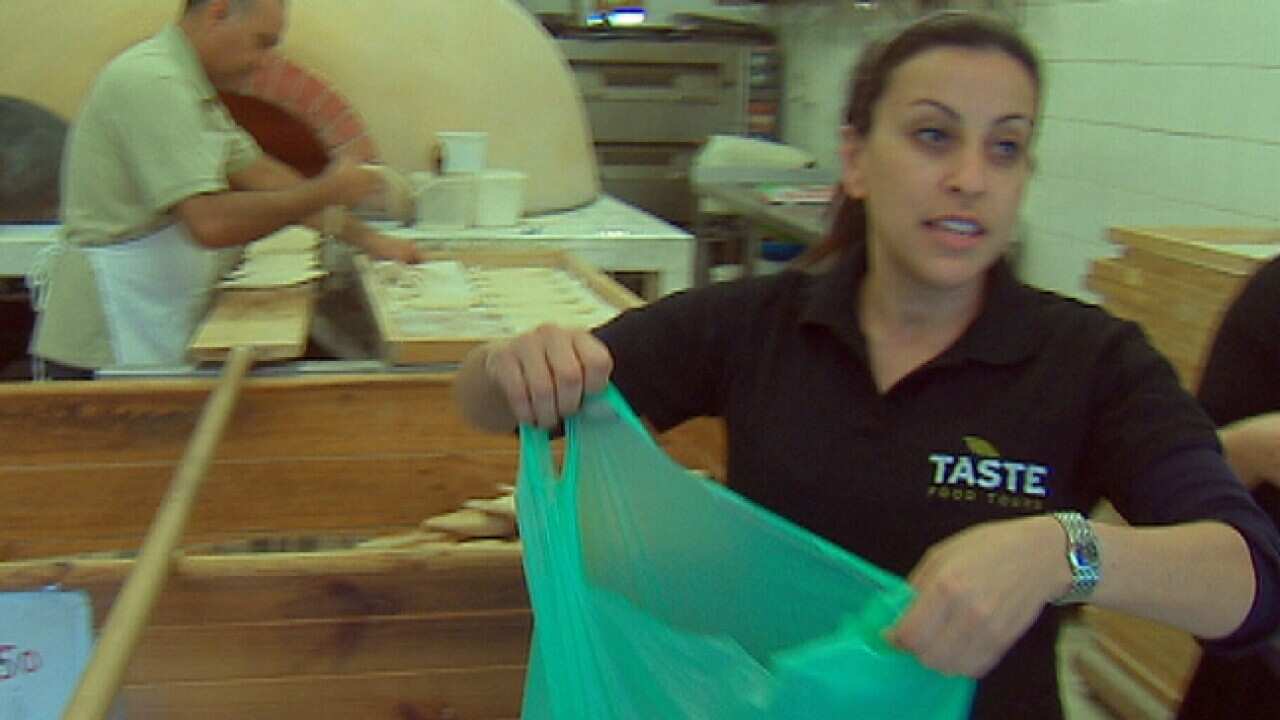
His bakery is just one stop on a walking tour of mostly immigrant food businesses in Sydney's South-West.
Taste Tours is a social enterprise scheme that offers community walking tours run by locals to strengthen trade and multiculturalism.
Tour guide Zizi Charida is also from a refugee background; her entrepreneurial father was a humanitarian arrival from Palestine.
"We get people coming from all over Sydney, from I suppose the more privileged areas, and they come out to places like Fairfield that are considered disadvantaged and actually see that, wow, these areas are actually quite amazing, colourful places,” Zizi says.
“The people are absolutely friendly, the shop owners are so generous and people really discover that on the tours and that's what we want to bring through,” she says.
Each stop on the tour reveals entrepreneurs who have turned turmoil into triumph.
Humanitarian arrivals are self-employed at rates higher than other migrant groups or even people born here, despite the fact refugees aren't usually able to bring any capital and assets.
It seems risk-taking, opportunism and challenging the status quo are characteristics of both entrepreneurship and immigration.
They come from many from humble beginnings, like this Iraqi refugee and Fairfield baker Walid “Wally” Saleh, another stop on the walking tour.
“I came to this country as a refugee because I knew this country was safe and secure for my family and accepts people from all backgrounds,” Wally says.
Wally knows many burgeoning refugee-run business such as jewellery stores, cleaning franchises and bakeries like his.
“This country is open to the world. It gives them the freedom to practice their craft which they acquired in their homelands here,” he says.
“It's not hard at all to open up a business here, [it's] quite straightforward. There are lots of jobs available.”
Zizi, whose ebullience for food and other cultures spill openly through her tours, says there seems to be a link between traumatic refugee backgrounds and a motivation to build one's own enterprise.
“I think that's why the business owners have come from refugee backgrounds of from places of conflict of what have you, cause they appreciate being here,” she says.
Habib, the baker from Kabul in his bustling new business in Fairfield, laughs that his bread tastes better now than it did back home.
"It's good here, it's better, I think I'm better than my father!”







