Preserved under layers of concrete for decades, gold rush-era treasures from the old Mistletoe Hotel have slowly been uncovered over the past three months.
The find of more than 250,000 pieces is being touted as one of the most historically significant digs in recent Australian history.
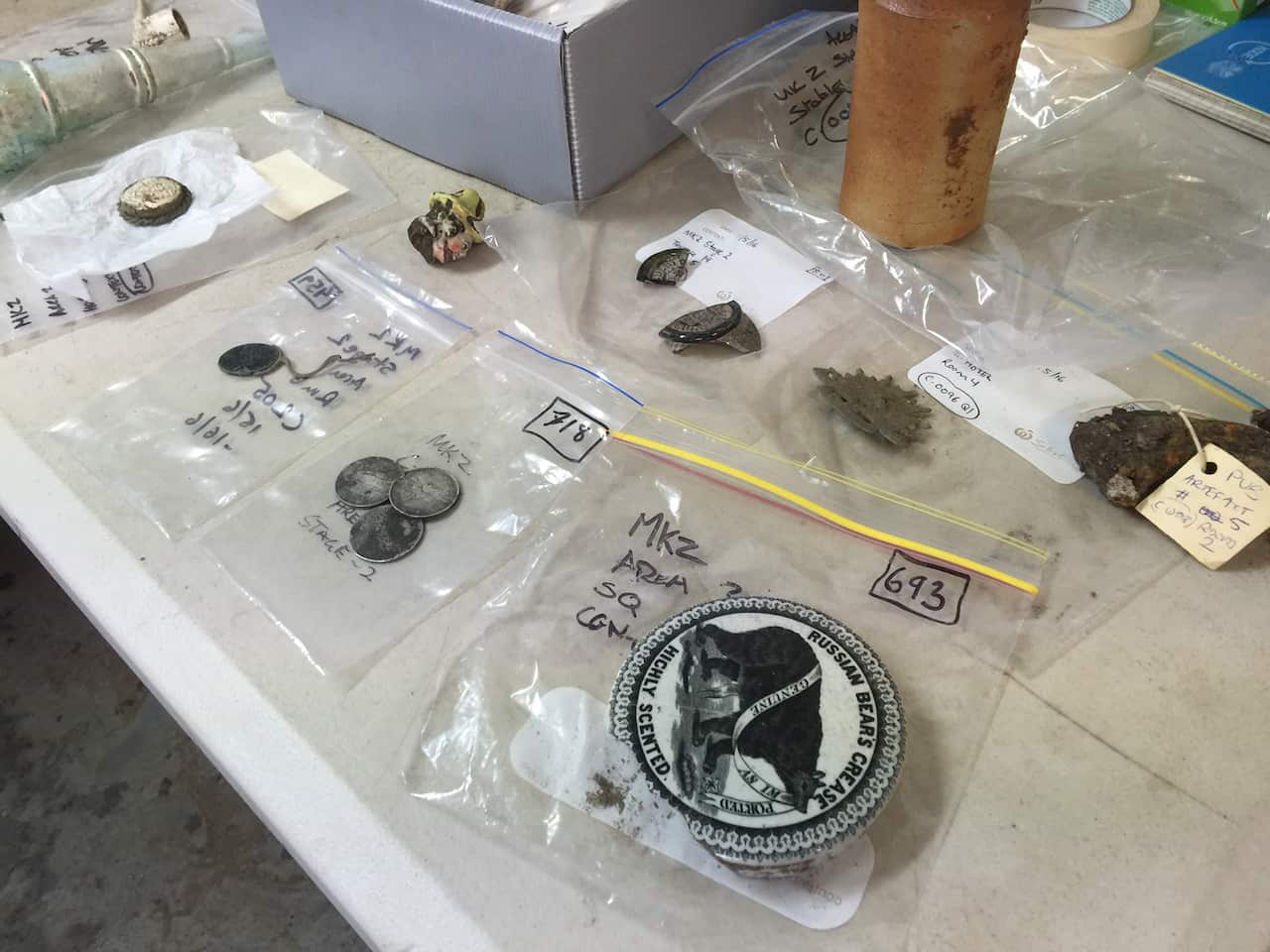
Among the items uncovered were an ANZAC pin, possibly from a World War I slouch hat, and even parts of an old jar of ointment claiming to be a cure for balding.
Heritage Victoria's Jeremy Smith said the pieces told the stories of Melbourne's first European settlers and of the migrants suffering gold rush fever who inundated the city.
News that makes sense
Your trusted source for staying up-to-date with the world around you. Get free daily news updates and analysis, straight to your inbox.
"The archaeology can tell us things we didn't already know about Melbourne," he said.
"There's been various histories written about the first few years of settlement, but the archaeology is telling us the things we didn't know; how people lived at the pub, how they enjoyed themselves."
Assistant archaeologist and historian Sarah Mirans said the hundreds of alcohol bottles among the artefacts showed evidence of "young single men wanting to drink and party".
There was also evidence of food, drink, accommodation and entertainment including wrestling matches, dances and more, like "a prostitutes' tent in the garden".
"There are some court cases of young men being lured into tents and having their gold stolen, so it was a bit of a rough and ready place in the 1850s," she said.
Archaeologists have until Thursday to finish the dig but with more rain forecast, it could be a rush to uncover the rest of the treasures from the Mistletoe Hotel.
Leading the project, Terra Culture's Sarah Myers said it was difficult for archaeologists to know when they had recovered all of the artefacts.
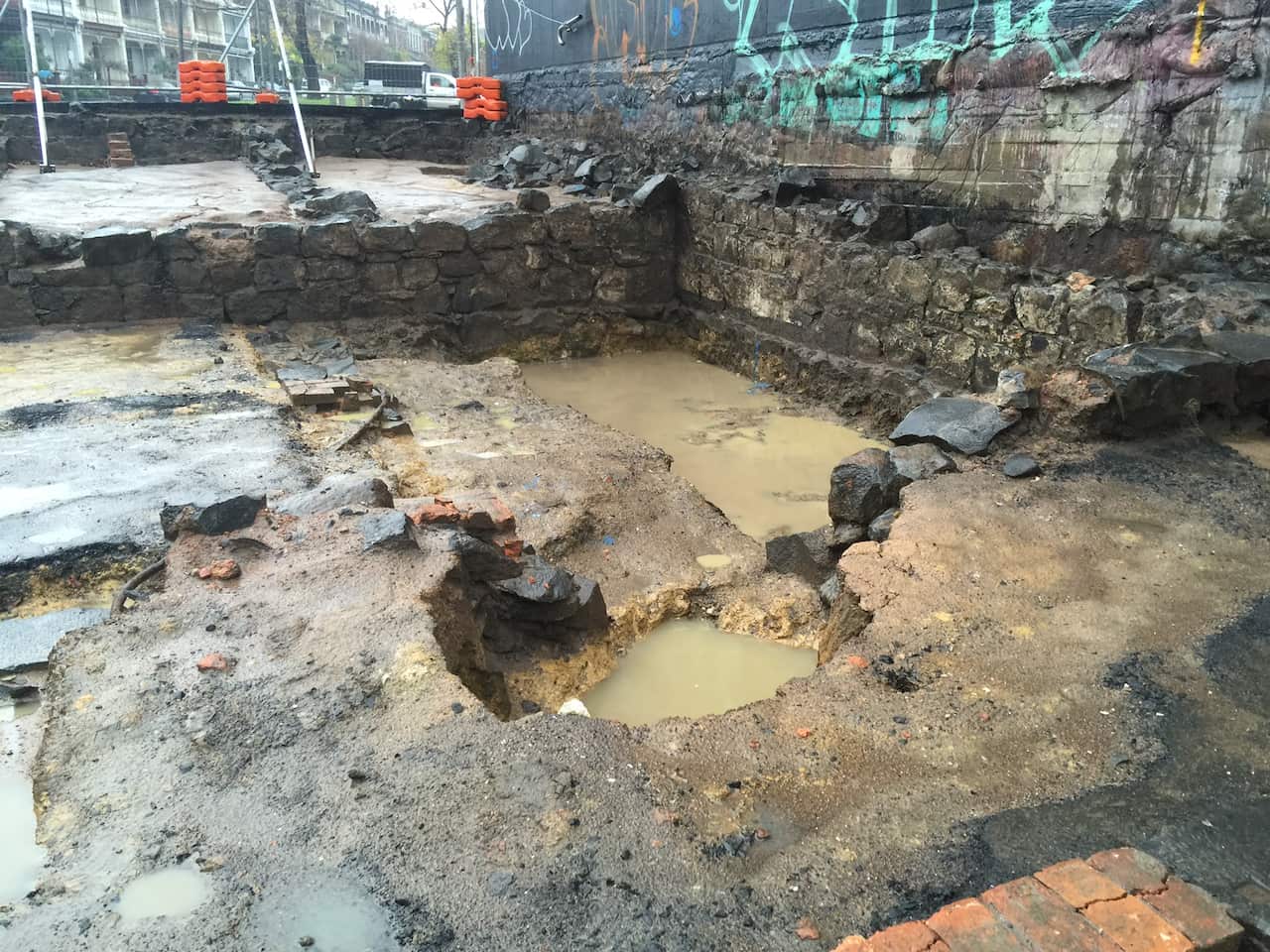
"It's always hard to uncover everything on a large site such as this, so there are some things we are turning up at the last minute," she said.
The site, already boxed in by high rises, will soon become a 38-storey apartment building, developed by a Malaysian company UEM Sunrise.
Archaeologists will spend the next six months examining the 250,000 artefacts uncovered and figuring out their place in Australian history.
"It's nice to piece those stories together and bring them to life through the archaeology," Ms Myers said.
Once the investigations are complete the pieces are likely to go into an exhibition.







