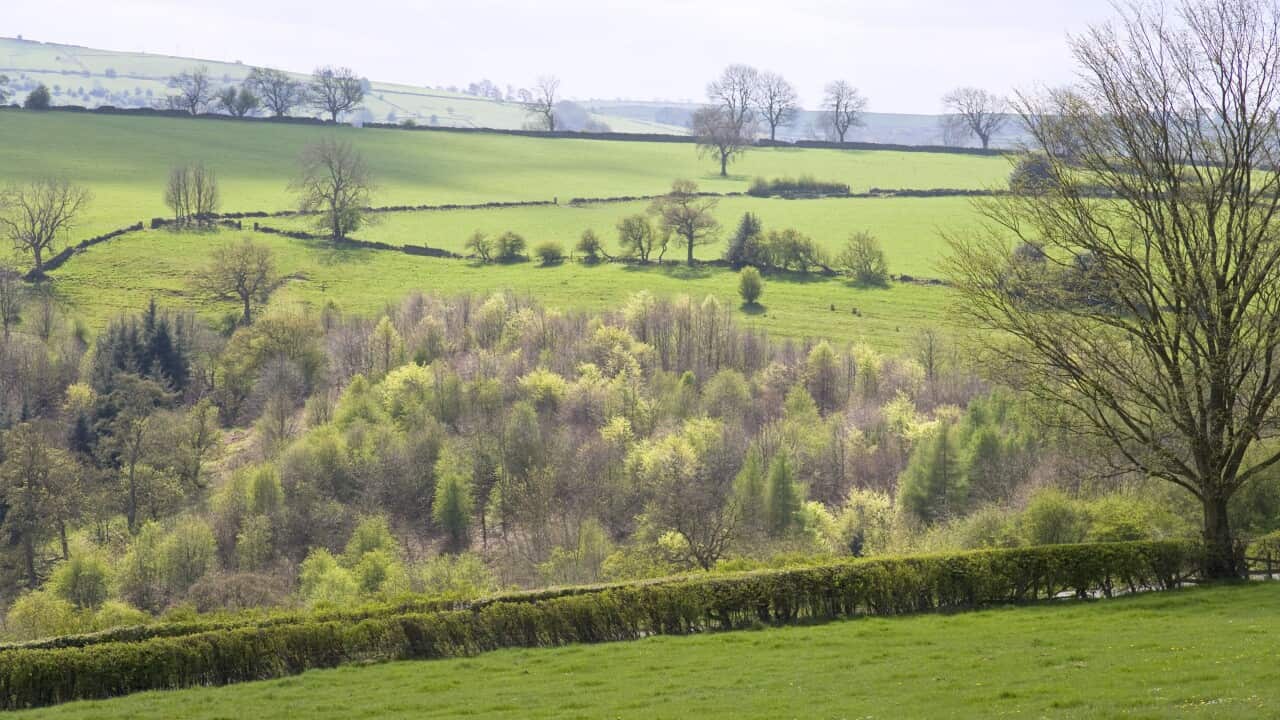
The world’s top national parks and nature reserves attract eight billion visits from tourists each year, generating hundreds of billions of dollars of spending, according to new research.
Yet there is a lack of funding safeguarding these natural wonders, say researchers from some of the world's top universities.
The study, published in PLOS Biology, is the first of its kind to assess the global scale and economic significance of nature-based tourism in protected areas.
It found more than US$600 billion of tourism expenditure is generated annually - a huge economic benefit which vastly exceeds the less than US$10 billion spent safeguarding these sites each year.
Zoologists from Cambridge, Princeton and Washington conducted the research to determine the economic value of the natural environment in order to better preserve it in the future.
They say the current global expenditure on protected areas is “grossly insufficient” and are calling for greater investment to protect national parks and natural reserves, which cover one eighth of the world's land.
The idea of natural capital, the worth of natural assets, is increasingly being used in policy making.
The most visited protected area was the Golden Gate National Recreation Arean in the United States with 13.7 million visitors annually.
The 10 most frequently-visited sites (out of 556 for which the researchers had direct data) were in North America and Europe.
- Golden Gate National Recreation Area, US
- Lake District National Park, UK
- Peak District National Park, UK
- Lake Mead National Recreation Area, US
- North York Moors National Park, UK
- Delaware Water Gap National Recreation Area, US
- Dartmoor National Park, UK
- New Forest National Park, UK
- Grand Canyon National Park, US
- Cape Cod National Seashore, US
The high number of visitors came as a surprise to even seasoned conservation researchers.
Dr Matt Walpole of UNEP's World Conservation Monitoring Centre in Cambridge, who participated in the study, said it was an "astonishing figure that illustrates the value people place on experiencing nature."
Share


