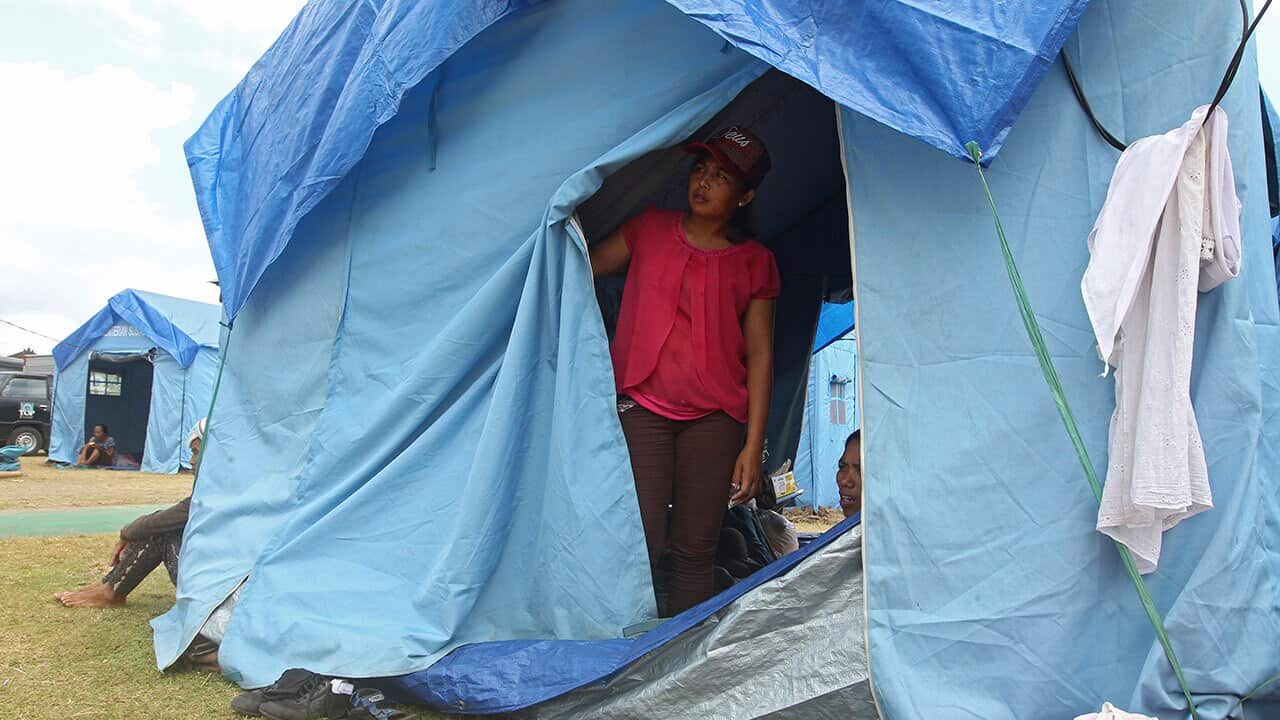
Officials announced the highest possible alert level for Mount Agung, about 75 kilometres (47 miles) from the resort hub of Kuta, on September 22, telling people not to venture within nine to 12 kilometres of the summit.
Some 144,000 people fled their homes following the warning, including about 75,000 who were not in immediate danger, according to officials.
The government has since urged evacuees from outside the red zone to return home, but many are refusing to go.
"Honestly I don't have the courage to go home right now because my children are still young, our house is located in a narrow alley, I don't know if we will have enough time to evacuate [if the volcano erupts],” mother Cecilia Eka Setyarini Utami, who fled to an evacuation centre in Denpasar, told AFP.
News that makes sense
Your trusted source for staying up-to-date with the world around you. Get free daily news updates and analysis, straight to your inbox.
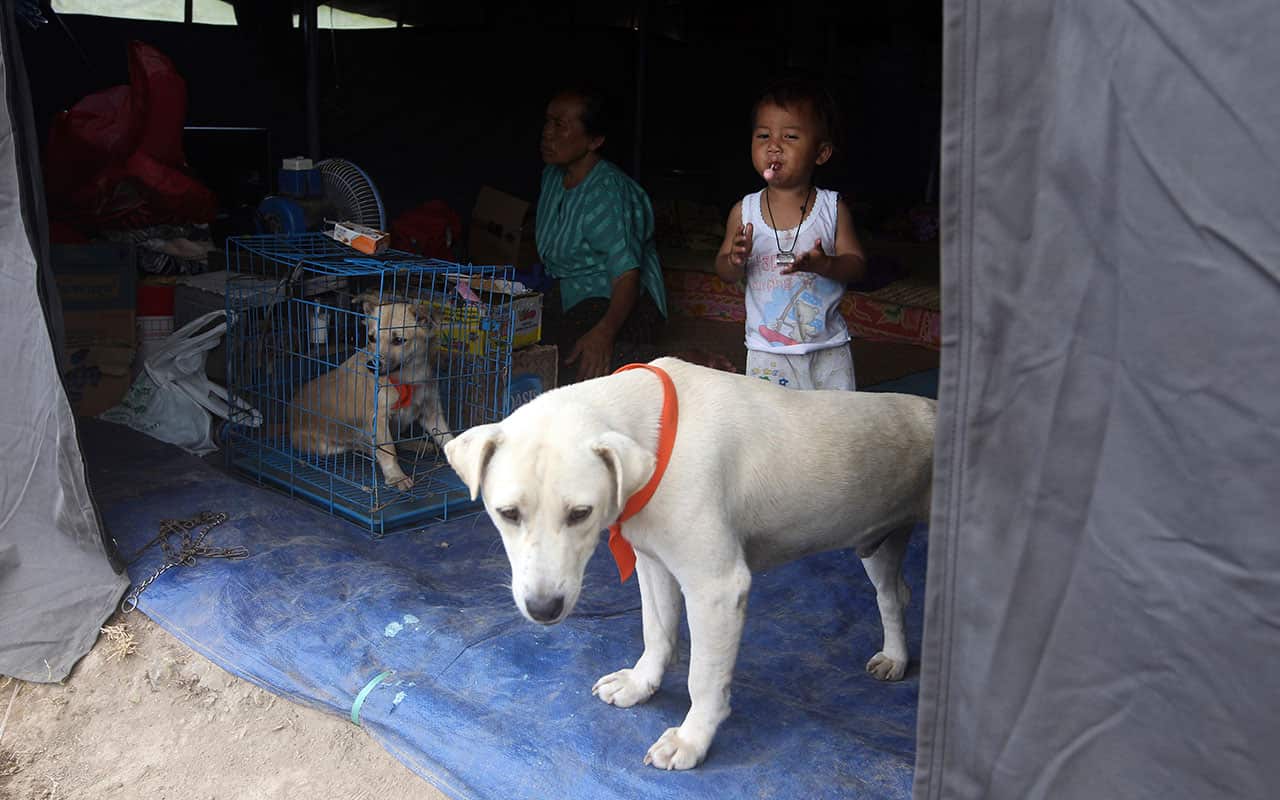
Kadek Kanda, the coordinator of an evacuation centre in Bali’s capital Denpasar, said his shelter was so full he had stopped accepting evacuees.
“Some people whose houses are not within the danger zone have started to return home this morning, but for those who decided to stay, we don't have the heart to tell them to go home.”
Indonesia's Center for Volcanology and Geological Hazard Mitigation said the number of volcanic tremors was still high -- 222 between midnight and 6am Monday -- but the situation was stable.
“You have acceleration prior to September 22. At that moment we increased the alert level, but thereafter the number of seismicity is almost the same day by day,” said Devy Kamil, a senior official at the centre, told AFP.
White steam clouds, which contain sulphurous fumes, have been observed rising 50 to 200 metres above the summit.
Indonesia sits on the Pacific "Ring of Fire" where tectonic plates collide, causing frequent seismic and volcanic activity.
In 2010, Mount Merapi on the island of Java erupted after rumbling since 2006, while Mount Sinabung on Sumatra island -- which is currently also on the highest alert level -- has been active since 2013.Volcanologists cannot predict when an eruption may occur, but Kamil said the risk had not decreased.
Mount Agung last erupted in 1963, killing nearly 1,600 people.







