
18 min read
Rhoda Roberts AO: A defining voice of her generation
Reader note: In consideration of Indigenous cultural protocols, SBS/NITV has gained permission to use and reproduce Rhoda Roberts' name, voice and image. We are doing so in line with her wishes. We also continue to consult with her family and community.
Rhoda Roberts AO was an unrelenting force of culture, truth, of kindness and of generosity.
She was unignorable, uncompromising, and necessary.
Rhoda unfurled in all of us a sense of pride, wrapped us in cultural strength and helped us imagine a future grounded in truth. A future where First Nations’ voices were not just added on to the national story but are its beating heart.
We all called her 'Aunty' Rhoda.
A title that reflected our deep respect for her and because of the love, guidance and calm she gave back to us in return.
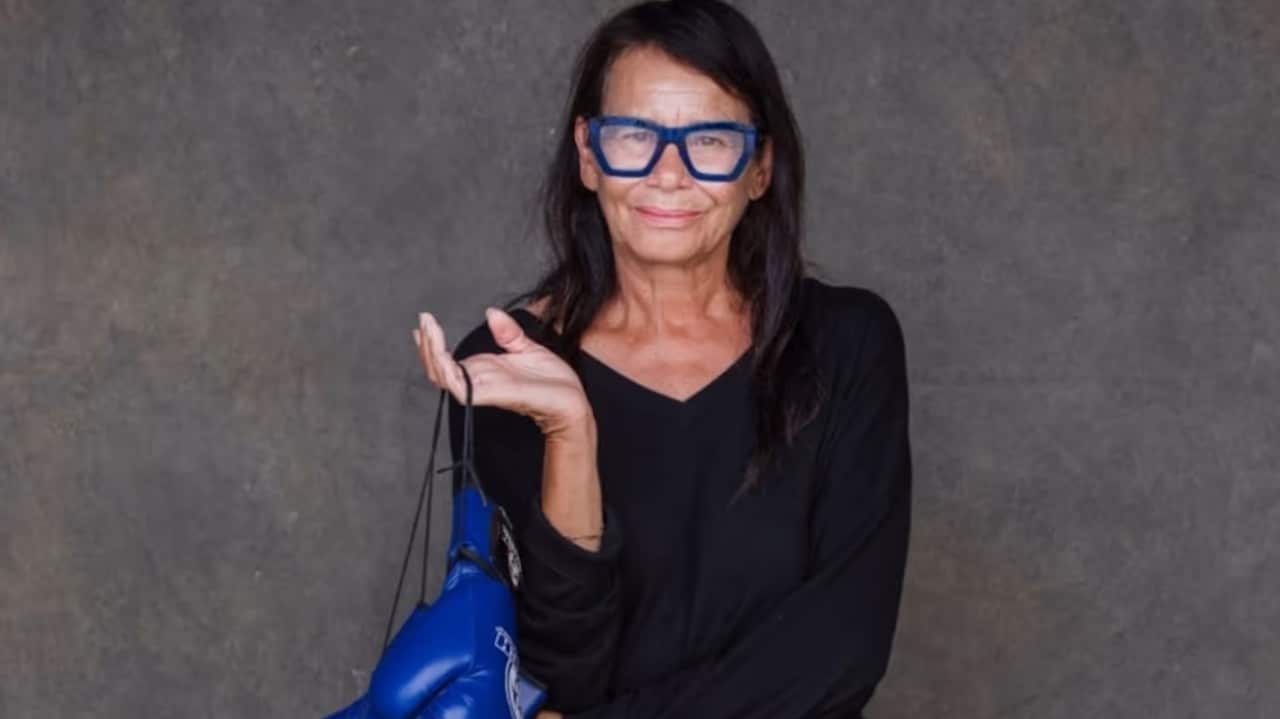
Sometimes to be cheeky it was just 'Aunt' — especially when we made her a cup of tea (white 2-3 sugars — you could never forget the sugars!).
Culture, identity and confidence
Our 'Aunt' was a very proud Widjabul Wieybal woman of the Bundjalung Nation — born in 1959 — who carried her culture and identity with unapologetic confidence and staunch purpose.
Born to Muriel and Pastor Frank Roberts, Rhoda and her twin sister Lois were the middle girls between older brother Phillip and younger brother Mark.
Growing up in Lismore in the Northern Rivers region of NSW, she left school after Year 10 and moved to Sydney to study nursing.
Rhoda often recalled experiencing discrimination from a young age — being regularly referred to as 'darkies' and being discouraged from undertaking the Higher School Certificate (HSC) from a careers advisor because "as a mission kid, she'd only end up unemployed".
She carried her family stories of racism, oppression, segregation and prejudice whether on in Lismore, Cabbage Tree Island, or at Cubawee Aboriginal Reserve — a self-managed Aboriginal settlement from 1932 until 1965 roughly 7 kilometres outside of Lismore.
Through her father’s advocacy and fight for justice she grew up surrounded and inspired by iconic leaders including Faith Bandler, Pastor Sir Doug Nichols, Charles Perkins, Margaret Tucker, Bert Groves, Dulcie Flower, John (Jack) Horner, Evelyn Scott, Joe McGuiness, and Pat Miller.
Graduating as a registered nurse in 1979, Rhoda moved to London in 1981 working in the wards and A&E department at the Westminster Hospital as well as in hospitals in Italy, Greece and India.
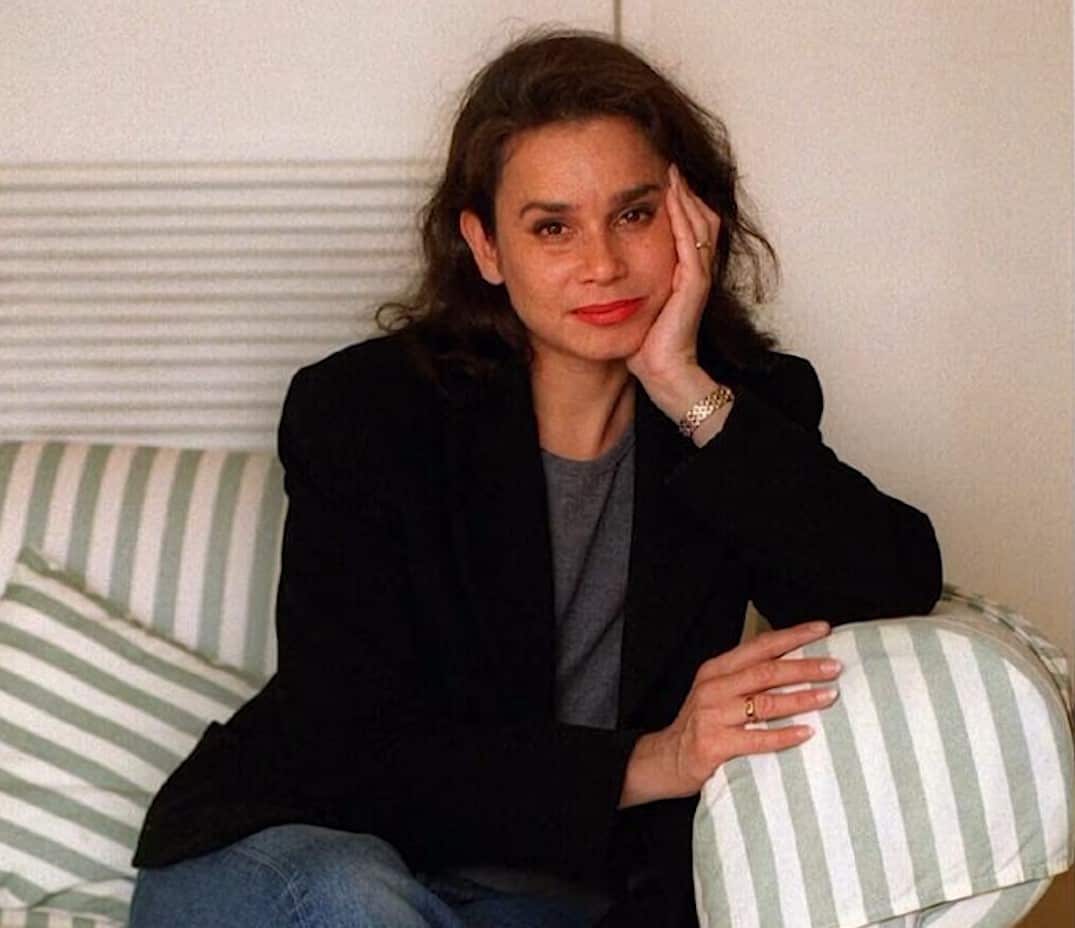
On her return in the mid-1980s, she pursued her passion for the arts, joining Brian Syron's independent acting studio doing a diploma in the performing arts, where she studied alongside Ernie Dingo and Lydia Miller. She worked at Manly Hospital to pay for her studies.
Attending the first black national playwrights' conference in 1987 in Canberra, Rhoda later co-founded the Aboriginal National Theatre Trust in 1988, sitting on an inaugural steering committee that boasted Brian Syron, Kevin Gilbert, Lydia Miller, Suzanne Butt, Vivian Walker, Michael Johnson and Lesley Fogarty and Justine Saunders. Oodgeroo Noonuccal was the Trust’s Patron.
Strongly influenced by her father’s belief that "if you changed one person's mind it would have a ricochet effect", Rhoda longed to be a writer and a journalist.
Initially starting her media career as a volunteer at Radio Redfern, she was offered a job at the ABC and later applied for a position at SBS. In 1989, she presented the SBS program First In Line along with Michael Johnson, becoming the first Indigenous presenters on prime-time television.
In 1990, she joined SBS’ weekly current affairs program Vox Populi as a presenter and worked as a roving reporter on Hotline, hosted by Silvio Rivier.
Rhoda also wrote, produced, and directed several documentaries for SBS, including In the Gutter? No Way in 1991, which was a black perspective on substance abuse in the Aboriginal community.
In 1993, Rhoda teamed up with Gavin Jones — founder of Vibe Australia — to work as a producer and broadcaster for the national radio program Deadly Sounds — a show which ran for 21 years giving the Indigenous community a positive voice in Australian media.
That year, she also took the acting world by storm with her appearance in Louis Nowra's Radiance at Belvoir St Theatre, an acclaimed play that open the floodgates for black theatre in the mid-90s.
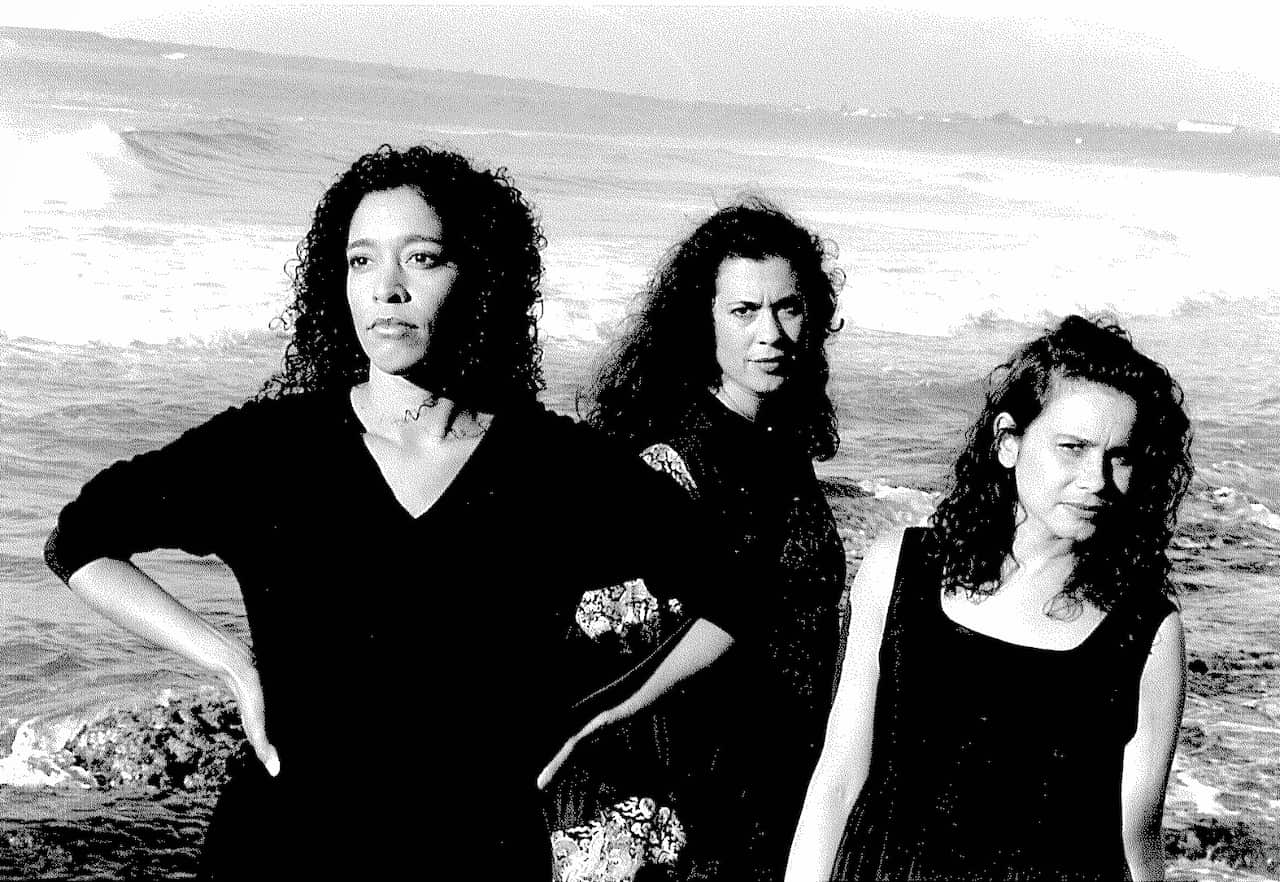
At the height of her career, she married actor Bill Hunter in 1994, later separating in 1998 just three years before his passing.
In 1995, she and Gavin Jones established The Deadlys, a National Aboriginal and Torres Strait Islander Music, Sport, Arts and Community Awards that showcased excellence. The Deadlys ran for 20 years.
Opening doors
Although Rhoda's career was defined by firsts, she never sought them for personal acclaim. She sought them because doors needed to be opened — and kept open — for those coming after her.
In the late 1990s, she was engaged by the Sydney Olympics Games Organising Committee (SOCOG) in a variety of artistic advisor roles on the Cultural Olympiad, Festival of the Dreaming (1997-2000), Sydney Dreaming events, the Torch Relay and as Creative Director on the Indigenous segment of the Sydney Olympics Opening Ceremony – an 8-minute section called Awakening.
Working with choreographer Stephen Page, Awakening showcased First Nations culture in ways that had never been seen before to an estimated TV audience of 3.7 billion people.
Aunt often reflected on the Opening Ceremony, proudly speaking of its meaning for the Australian nation. In quieter moments, she would offer glimpses behind the scenes — the challenges and the hilarious moments of working with hundreds of Aboriginal women from the Western Desert, negotiating the demands of dozens of international journalists, and navigating calls to boycott the Olympics.
On the night of the Opening Ceremony, Rhoda was nine months pregnant.
She only told me last year, on the 25th anniversary of the Olympics, that she had known Cathy Freeman would light the Cauldron a full week beforehand — having spotted her during the tightly guarded secret rehearsals.
Even as the Olympics marked a professional high point, Rhoda was carrying the unbearable pain and enormous loss of the murder of her twin sister, Lois, near Nimbin NSW two years earlier.
Lois went missing in July 98, and the family were told that the 38-year-old had simply "gone walkabout" and "you’re overreacting".
Her remains were found in the nearby Whian Whian State Forest six months later.
No one has ever been charged over Lois' brutal murder, and the case has never been reinvestigated.
Aunt spoke often of Lois — emotionally recalling both the deep bond they shared and the enduring pain of her loss.
"Since the day she went, before I go to sleep at night, I think of her. First thing when I wake up, I see her. So, she will always remain young," she said during a recent interview.
Rhoda had also raised Lois' youngest child Emily since her birth in 1994.
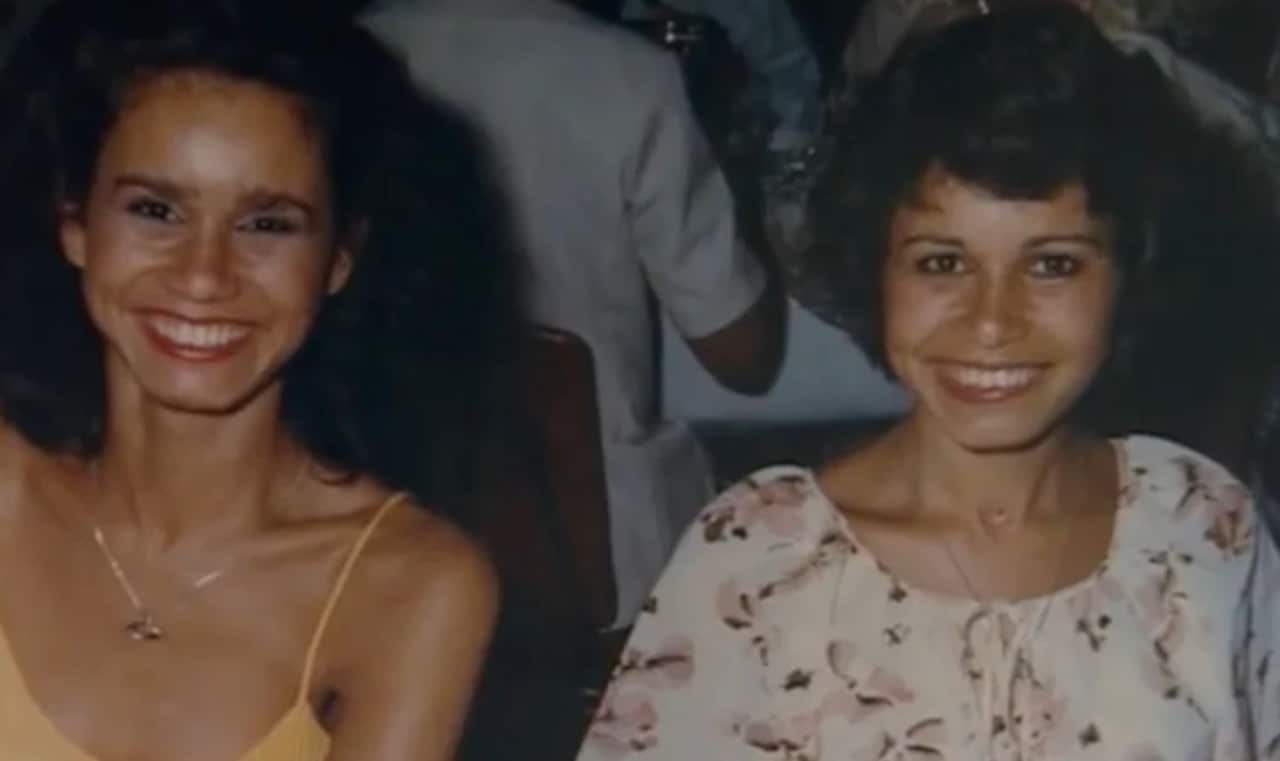
Following the 2000 Olympics, Rhoda's work included many large-scale events: the Opening Ceremony of the Rugby World Cup in 2003, the Dreaming Festival (2005-2012) near Woodford QLD, the Athens Olympic Games handover ceremony, the opening ceremony of the Musee Du Quay Branley, Paris (2006), the Japan Expo (2006), and World Youth Day events.
In 2003, she developed and directed the Woggan-ma-gule annual ceremony at Barangaroo in Sydney — doing so for the next ten years. Held on the morning of 26 January it acknowledged and celebrated First Nations’ culture through music, dance, language and storytelling.
From 2005-2007, Rhoda was a reporter and host for the ABC Radio National Program AWAYE! and from 2008 until 2011 she was the creative director for Sydney’s New Year's Eve celebrations.
She was commissioned by Opera Australia in 2012 to direct and write Yarrabah the Musical, following the success of her direction of the international Opera Miricoloa a Milanao by Italy’s Giorgio Battistelli for the Brisbane Festival in 2009.
Yarrabah the Musical was staged in the coastal Aboriginal community of Yarrabah just south of Cairns.
In December 2012, Rhoda was front and centre anchoring the historical national broadcast with Stan Grant from Uluru as she helped launch NITV free to air.
Reshaping cultural power
Our Aunt was instrumental in reshaping how our major cultural institutions engaged with First Nations artists — not as novelties or guests, but as leaders, decision-makers and creative drivers.
From 2012 to 2021, Rhoda was head of Indigenous programming at the Sydney Opera House (SOH), having also been an SOH Trustee from 1998 until 2006.
Across some 16 years, Rhoda transformed one of the nation’s most recognisable buildings into a place where Aboriginal and Torres Strait Islander culture was not only visible, but central. Under her guidance, the SOH became a platform for ceremony, language, political truth-telling and artistic excellence.
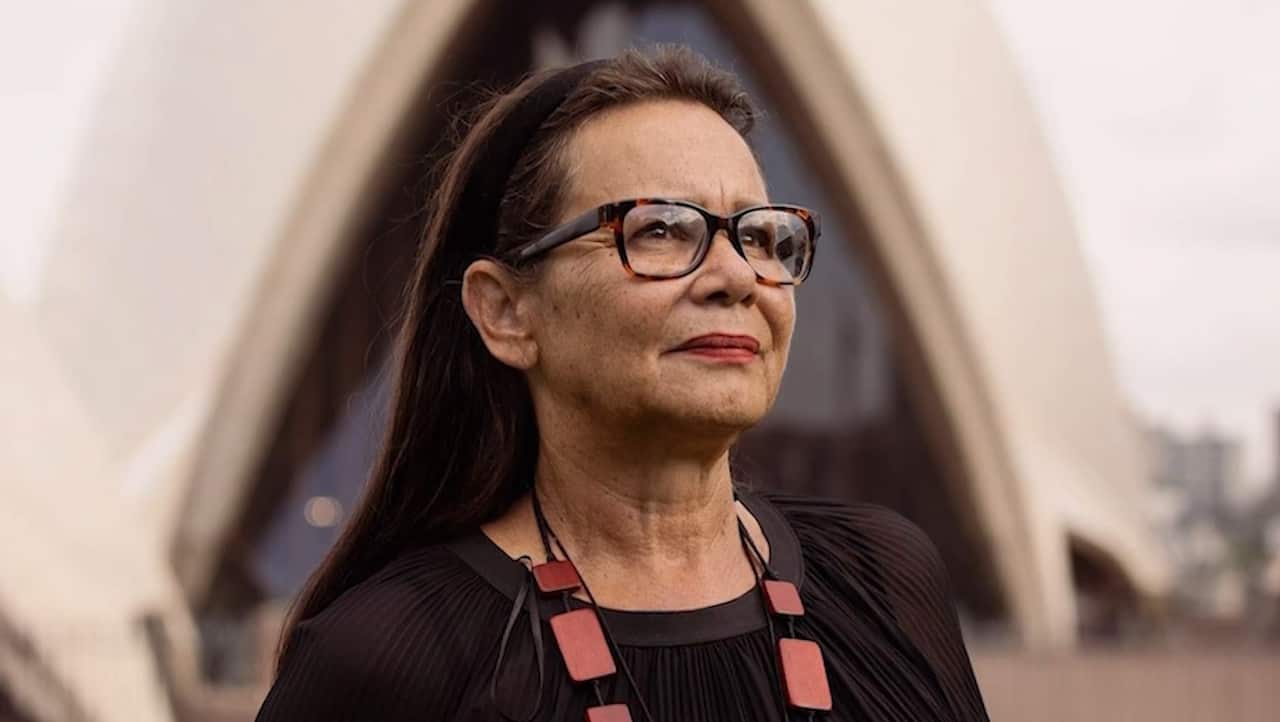
In 2011, as curator she expanded Message Sticks from a film festival to a multi-arts festival.
In 2014, she brought to life the award-winning Boomerang Project, a tri-nations ensemble of first instruments and mother tongues with Australian, Māori and Celtic artists.
She created an annual free outdoor festival celebrating First Nations music, dance and culture called Homeground (2014), adding Dance Rites to the festival in 2015. She produced a weekly national program Deadly Voices from the House (2016), oversaw Songlines - the lighting of its sails with Indigenous artwork in 2016, and the Badu Gili projections - a daily lighting of the Opera House’s eastern Bennelong sail with First Nations art which was launched on the eve of NAIDOC Week in 2018.
A much-awarded arts executive, she received an Order of Australia honour in 2016 for distinguished service to the performing arts, leadership, advocacy and promoting contemporary Indigenous culture.
Our Aunt understood that art was never separate from justice.
Culture, to her, was a frontline.
She used it to confront uncomfortable histories, to honour survival, and to imagine futures grounded in sovereignty and self-determination.
Other than with SBS, her television credits include guest appearances on Home and Away, A Country Practice and Blue Heelers. Film Credits include - Wim Wenders Until the End of the world and a number of short films.
She was the guest curator of the QPAC Clancestry Festival in Brisbane from 2012-2014 and was the Garma Festival’s Director in 2010.
Rhoda had worked on a number of touring collaborative Music Projects across the Pacific, including dramaturgy for the Spirit of Churaki (2018). Churaki, a Goodjingburra man of the Bundjalung tribe, performed the first documented act of lifesaving on the Gold Coast in 1911.
Leading from the front, Rhoda was also the Creative Director for Parrtjima Festival (Alice Springs), the festival director of Boomerang Festival (Byron Bay) and artistic director of Shine on Gimuy (Cairns), the First Nations Advisor for Vivid Sydney, the Barani Project ambassador at the Australian National Maritime Museum and involved in the FIFA Women’s World Cup 2023 Opening Ceremony.
She had also served as a board member for Indigenous Tourism Australia, Playwriting Australia, the Australian International Cultural Council (AICC), the NSW Anti-Discrimination Board, Actors Equity, the National Aboriginal and Islander Skills Development Association (NAISDA), the NSW Australia Day council, Wantok Music, the Darling Harbour Authority, the Yothu Yindi Foundation Garma Festival Board and Indigenous Tourism Australia.
In 2020, she was appointed to the Board of Screenworks — a non-profit committed to supporting and empowering screen creatives and crew across regional Australia. Through her work and advocacy, Rhoda passionately bridged the opportunities for regional Australia to be elevated.
In 2021, Rhoda was appointed the First Nations Consultant at the National Institute of Dramatic Art (NIDA) and appointed as SBS' inaugural Elder in Residence — a role she only recently stepped down from because of her failing health.
In 2022, she was engaged by Voyages Indigenous Tourism as a consultant to the new Gallery of Central Australia (GOCA) at Ayers Rock Resort and the Gallery at the Mossman Gorge Cultural Centre in North Queensland.
This role saw her help navigate the consultation between the Anangu and Voyages for Wintjiri Wiru, a spectacular world first drone, sound and light show at Uluru.
Also in 2022, Rhoda worked with other leading creatives — including Dobby — to design the ELEVATE SkyShow. It was the first time Sydney Harbour was lit with 500 drones, to powerful orchestral sounds, energetic beats, and Indigenous language, bringing First Nations culture to the forefront.
Last July, she was presented with a Lifetime Achievement Award at the First Nations Media Awards. It joined a long list of accolades including a Ros Bower Award from the Australia Council in 2019; the Helpmann Awards’ Sue Nattrass Award in 2018, a Deadly Award for Broadcasting in 1998 and a Sidney Myer Facilitators award in 1997.
Change, not comfort
Our Aunt was unafraid of discomfort — in fact, she welcomed it — because she knew that real change rarely arrives quietly.
In 1998 she co-wrote and performed the one woman show Please Explain. Her solo production Bible Boxing Love toured the east coast of Australia in 2008. She wrote the novel Tullymorgan and featured in the 2007 film A Sisters Love (produced and directed by Ivan Sen) about the murder of her twin sister Lois.
At the Opera House in 2019, she conceived and wrote Natives Go Wild — a production that told the hidden story of how Indigenous people were kidnapped and forced to appear in PT Barnum’s Greatest Show on Earth.
Yet alongside her fierce advocacy was an immense generosity of spirit.
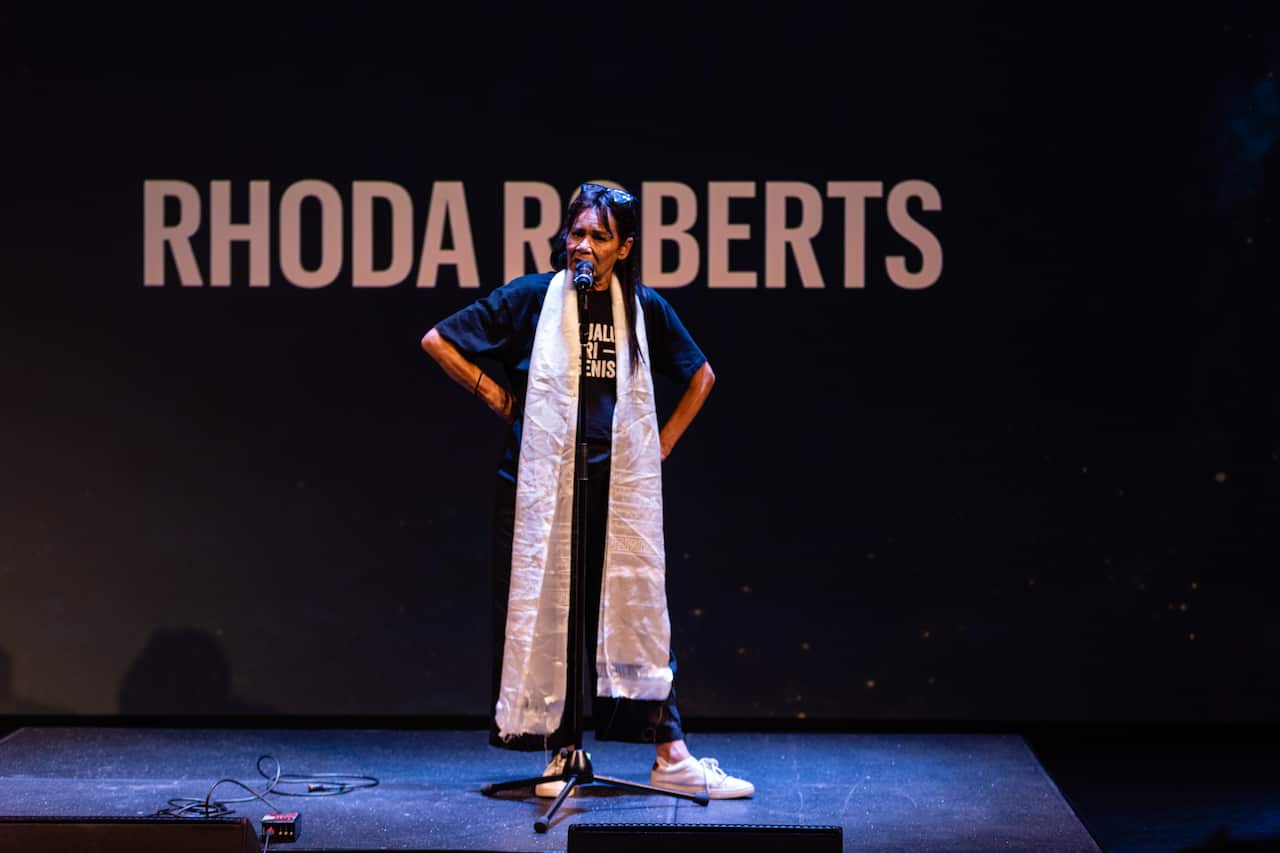
Rhoda was a mentor and friend to countless artists, actors, musicians, producers, journalists and cultural workers, many of whom credit her belief in them as the reason they found the courage to step forward. She saw potential early, named it loudly, and backed it with action.
For young First Nations creatives especially, her support was often life changing.
Around the campfire at the Garma Festival she often retold amazing stories and experiences with David Gulpilil, Archie Roach, Gurrumul, Yothu Yindi, Warumpi Band, Djakapurra Munyarryun, Troy Cassar-Daley, Shane Howard, Leah Purcell, No Fixed Address, Jack Thompson, Paul Kelly, John Butler, Jessica Mauboy, Shellie Morris, Baker Boy, Dobby, Budjerah and Christine Anu – the name only a handful.
Our Aunt new everyone and everyone knew our Aunt.
Our Aunt believed that when Aboriginal and Torres Strait Islander people controlled their own narratives, the nation itself became more honest, more mature, and more humane.
She consistently challenged Australia’s cultural gatekeepers to do better, to listen harder, and to share space more equitably.
In 2019, she moved back home to Bundjalung Country establishing a base at Jacky Bulbin Flats, on a 40-hectare block, where she sought solace and strength in country, culture and kinship.
"I'm a Bundjalung woman, this is my country. It's where I have to be," she would say.
Always noting the importance of regional arts, in 2021 she became the Creative Director First Nations of the Northern Rivers Performing Arts (NORPA) in Lismore. Her love of bringing art to the region started with the 2017 production Bundjalung-Nghari – Three Brothers and continued with her performance of My Cousin Frank in 2024.
In June 2024, she was the Artistic Director of the Australian delegation for the Festival of Pacific Arts and Culture in Hawaii leading 70 First Nations artists, performers, and practitioners.
In June 2025, Rhoda delivered the keynote address the 2025 International Indigenous Music Summit (IIMS), in Toronto, Ontario.
As the national conversations about truth-telling and cultural authority gained momentum, Rhoda's voice remained as clear and uncompromising as ever. She reminded Australia that reconciliation without truth is hollow, and that celebration without acknowledgement of pain is incomplete.
Never one to slow down, she was writing a new production; The Indigenous World Art Orchestra and was directing a feature documentary – Balang (The story of Tom E Lewis) and was also in development for a film, Bukal – (the story of Henrietta Maree). This followed her work on NITV commissioned documentary The Colleano Heart as a Consulting Development Director.
To undergo treatment for her cancer, she stepped down from several roles including being the cultural lead at The Koori Mail newspaper — the Aboriginal-owned national newspaper established by Owen Carriage and Rhoda’s father Pastor Frank Roberts in May 1991.
A life that moved us
Our Aunt held space for grief, for rage, for pride and for joy — often all at once.
Her passing leaves a profound absence. But it also leaves a roadmap.
Rhoda Roberts AO did not just change institutions. She changed people. She changed what was considered impossible. And in doing so, she helped Australia move closer to seeing itself clearly.
Her legacy lives on in the artists she championed, the stories she protected, and the cultural spaces she reshaped forever.
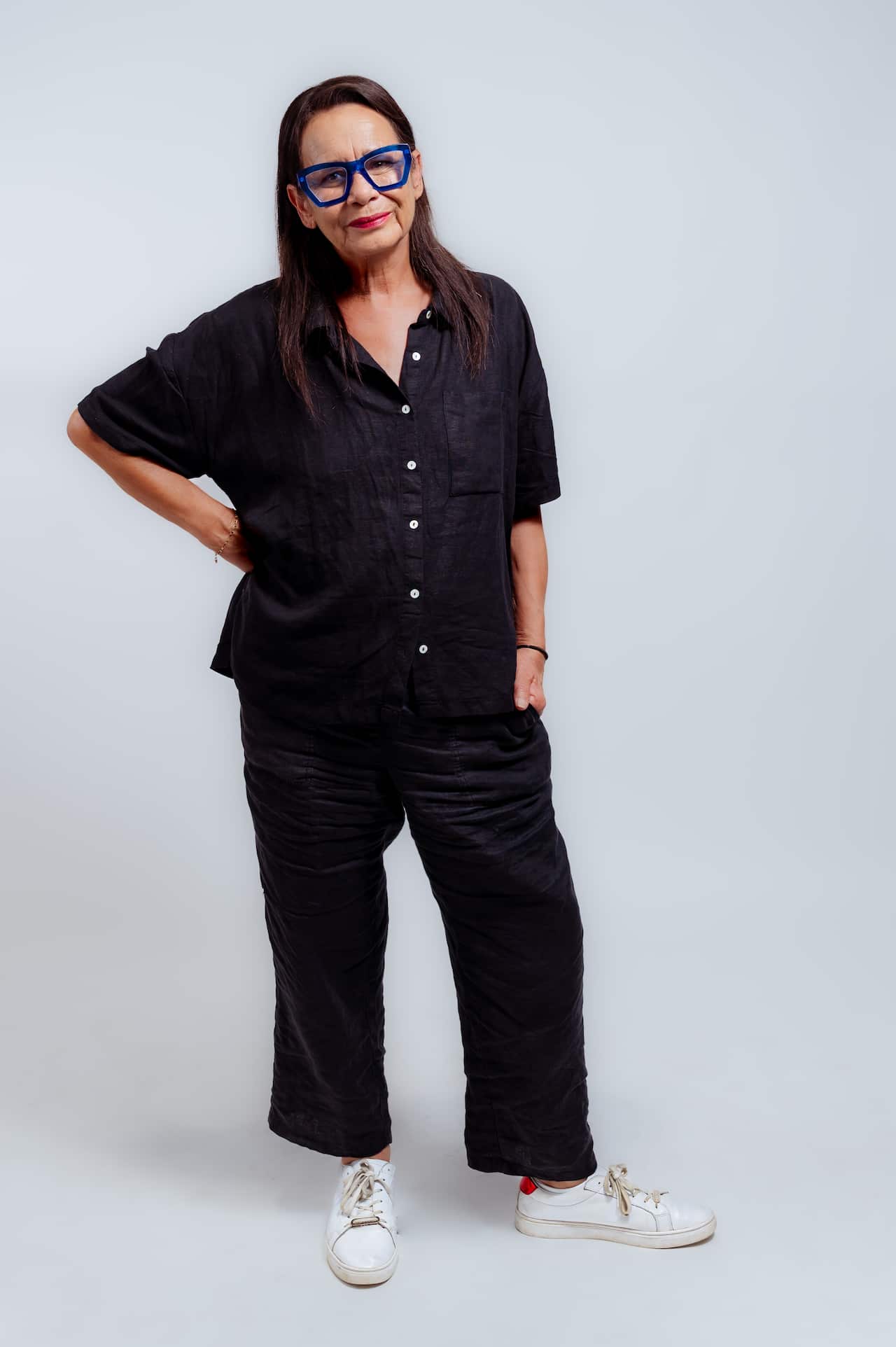
Her work across the country earned her the trust of many Aboriginal nations, their elders and cultural custodians who bestowed on her kinship responsibilities which she honoured and carried with deep respect and gratitude.
Rhoda’s last public performance was her production My Cousin Frank at the Sydney Opera House in December last year. It was a powerful one woman show about the story of her trailblazing first cousin, Frank Roberts who became Australia's first Aboriginal Olympian in 1964.
Despite being very, very sick, she did four shows in four days — delivered with emotion, strength, and inspiring resilience.
At several points of the production, she staunchly reiterated the words of her father Pastor Frank Roberts who always constantly said to Roberts family to: “Stand tall. Head up. High up.”
Our amazing Aunt did just that: Stood tall. Stood up and Stood proud!
Rhoda Roberts AO was cultural warrior, a truth-teller, and a very proud Widjabul Wieybal woman of the Bundjalung Nation who left this country richer than she found it.
She leaves a cultural architecture that will continue to hold, lift and protect future generations.
Her legacy is written not only in festival, ceremonies and stages but in the people who now stand taller because she cleared the way.
She was a defining voice of her generation and because of her, we can.
Back in 1989 as the presenter on First in Line, Rhoda visited Central Australia for the story on Uluru.
At sunset, sitting in the red dirt she spoke directly to the camera and quoted the great Gagadju leader Big Bill Neidjie: "Rock stays, Earth stays: I die and put my bones in cave or earth. Soon my bones become earth – all the same,” she said.
“My spirit has gone back to my country — my mother.”
Rest in Power Aunty.
Rhoda Roberts AO is survived by her partner Stephen, her children Emily, Jack and Sarah.
For the latest from SBS News, download our app and subscribe to our newsletter.







