It began on the hardened streets of Brazil in the early 1900s, and it is now the fastest growing martial art in the world.
Brazilian jiu-jitsu combines the techniques of the Japanese martial arts and judo, but for one master of the sport, it’s meaning extends further than that.
Master Paulo Mauricio Strauch says the sport is in fact a way of life.
"It's a life style, it's exactly that. There is a diet to follow and training to do. It's not just sport," he said.
Master Strauch learned the discipline from a descendant of the founding father of Brazilian jiu-jitsu, Carlos Gracie.
News that makes sense
Your trusted source for staying up-to-date with the world around you. Get free daily news updates and analysis, straight to your inbox.
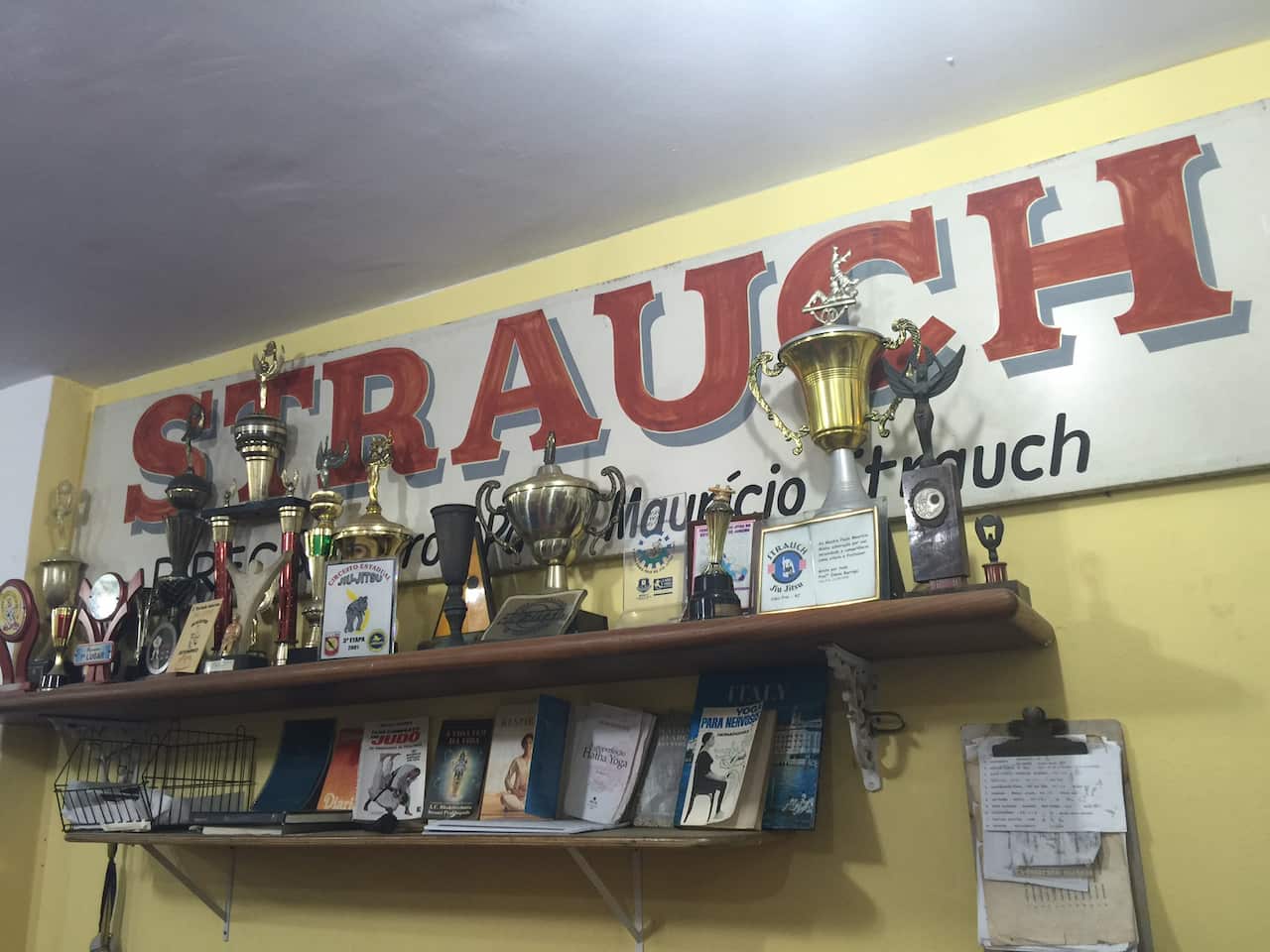
He now passes the craft on to the next generation.
His students range from ages four to 80, but 12-year-old Elias is one of his most successful
Coming from the Pavao community in the favela regions, the youngster has won more than 20 titles.
Despite this success, he doesn’t compete for the accolades.
"I like not just the medal, I like to make my mother and father proud," he said.
He hopes to eventually compete at the World Championships held in the US, where the sport's popularity has sky rocketed over the past decade, due primarily to the rise in popularity of the UFC mixed martial arts promotion.
There was a push to include the sport in the Rio Games, but this idea was rejected due to fears that Brazil would dominate.
"It encompasses a lot more, it's psychological, physical and philosophical, that is just a chapter of jiu-jitsu," Strauch said.
The sport promotes the idea that a smaller, or weaker, fighter can take down a larger opponent if using the correct technique.
It employs joint locks, chock holds and grappling techniques to overcome the enemy.
This means practice can sometimes be an aggressive affair.
Jasmine’s father is a championship grappler, and she’s hoping to get as good as him one day.
"My father also does jiu-jitsu and I like jiu-jitsu a lot," she said.
But for Master Strauch, the end goal isn't silverware, but soundness of mind.
"It not about control, control is like a spring - it can explode at any moment,” he said.
“It's about equilibrium."