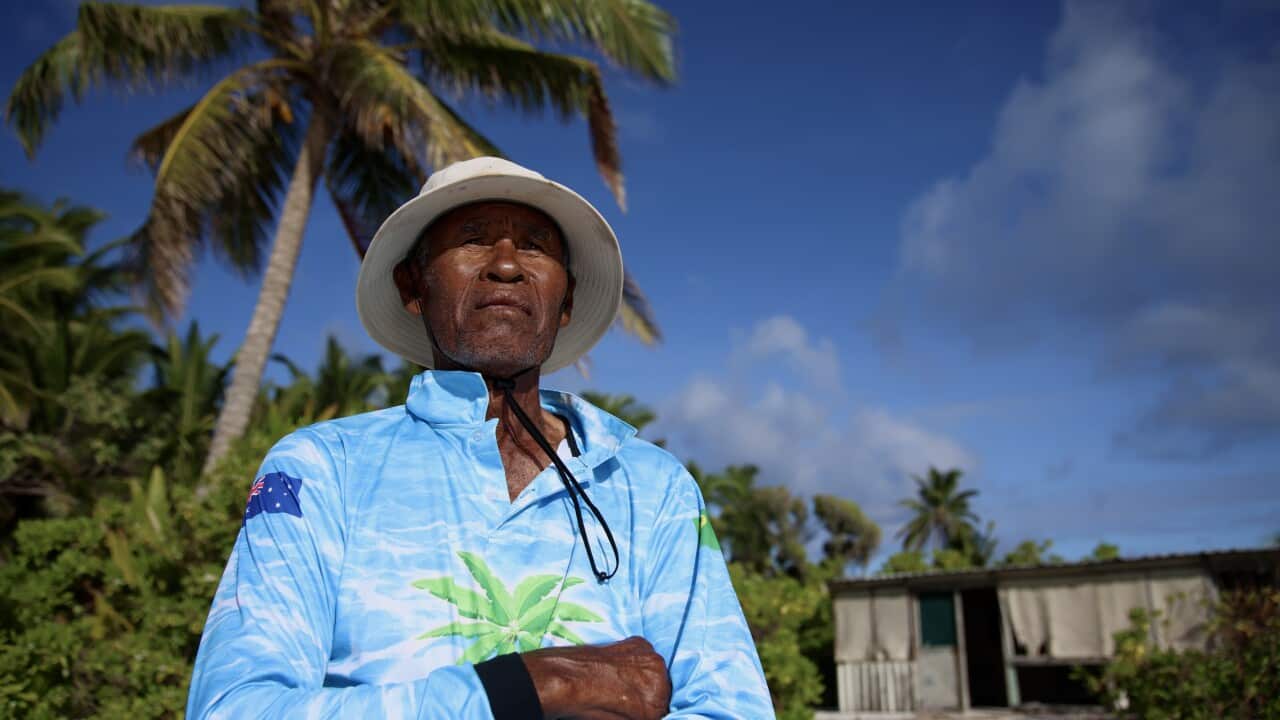
Haji Ramnie Mokta stands beside the turquoise lagoon, watching the waters that have shaped life on Home Island in the Cocos (Keeling) Islands for generations.
It is a view his ancestors have known for nearly two centuries, and one he struggles to imagine disappearing.
The 83-year-old has spent his entire life on this remote coral atoll, five hours by plane from Western Australia, where he lives with his wife among the island's Cocos Malay community.
Life here, he says, is "less complicated" — there's no mobile reception — and that is exactly how he likes it.
Most days, Mokta goes fishing in the lagoon or spends time in his small workshop crafting spears, anchors and knives — each day also shaped around the Muslim call to prayer that echoes regularly through the village.
News that makes sense
Your trusted source for staying up-to-date with the world around you. Get free daily news updates and analysis, straight to your inbox.
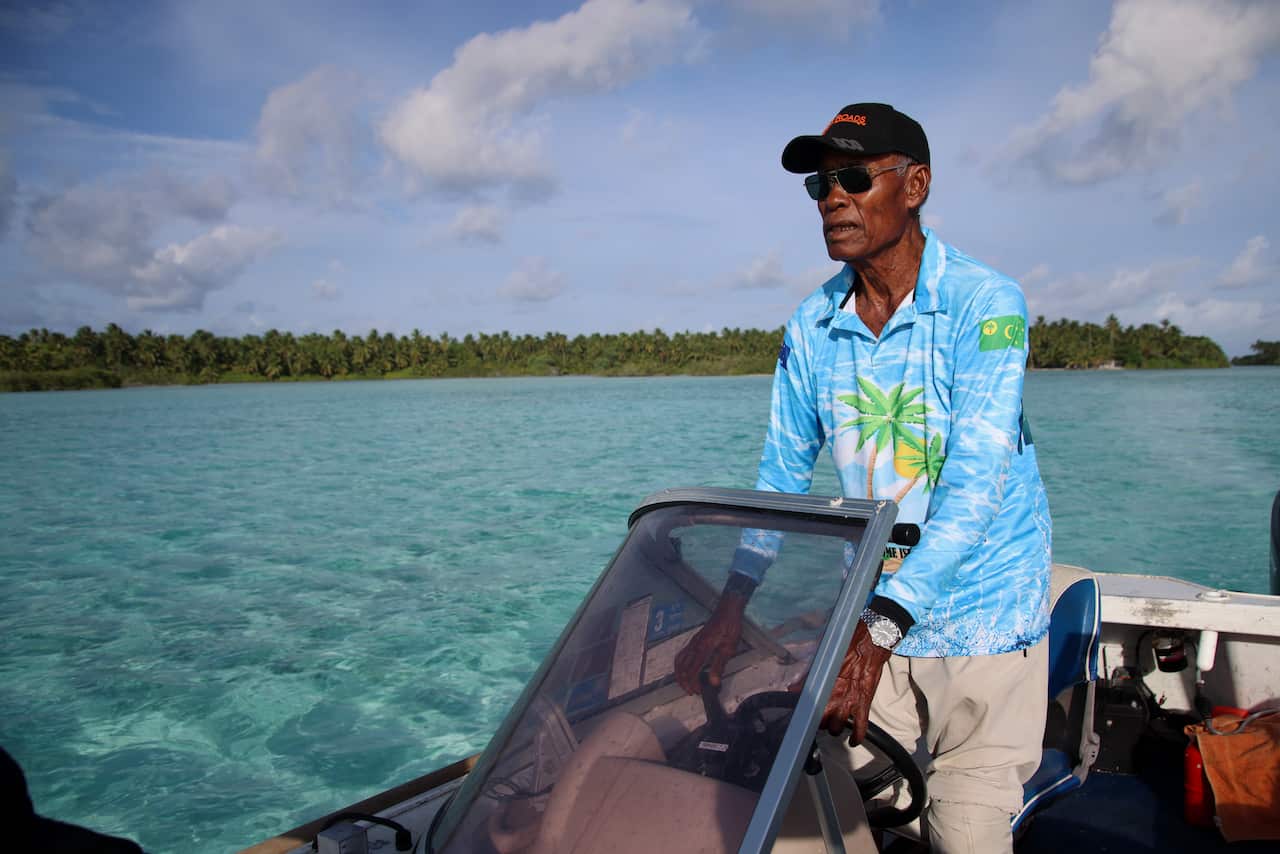
Four generations before him were part of the community that grew here after English and Scottish merchants brought Malay workers to establish coconut plantations in the 1800s.
Over time, their languages and traditions blended with those of labourers brought from different parts of the world, forming the distinct Cocos Malay language spoken on the islands today.
The result is one of Australia's oldest continuous Muslim communities — tightly knit, culturally distinct and deeply connected to place.
That history makes it almost impossible for Mokta to imagine Home Island without people.
Yet scientists warn it could become reality within the next 40 years. That's within the lifetime of Mokta's 13 grandchildren and 40 great-grandchildren.
Rising seas are slowly encroaching on the low-lying atoll, raising questions about whether the community can remain here long into the future.
"It will be very sad," Mokta tells SBS News.
I don't know how long I have left, but I feel sad for the people who come after me and for Cocos.
A community shaped by history and rising tides
The Cocos Islands sit around 2,900km north-west of Perth and 1,270km south-west of Jakarta, Indonesia.
English traders settled the islands in the 1820s, bringing Malay workers to harvest coconuts and produce copra (dried coconut flesh).
For more than a century, the Cocos Malay population lived under a feudal system controlled by the Scottish Clunies-Ross family. That system only formally ended in 1979.
Five years later, in 1984, Cocos Islanders voted in a United Nations-supervised act of self-determination, choosing integration with Australia over independence or free association.
Today, the islands remain an external Australian territory.
At the last Census count, there were 448 people living on Home Island, one of only two of the 27 Cocos Islands with permanent settlements.
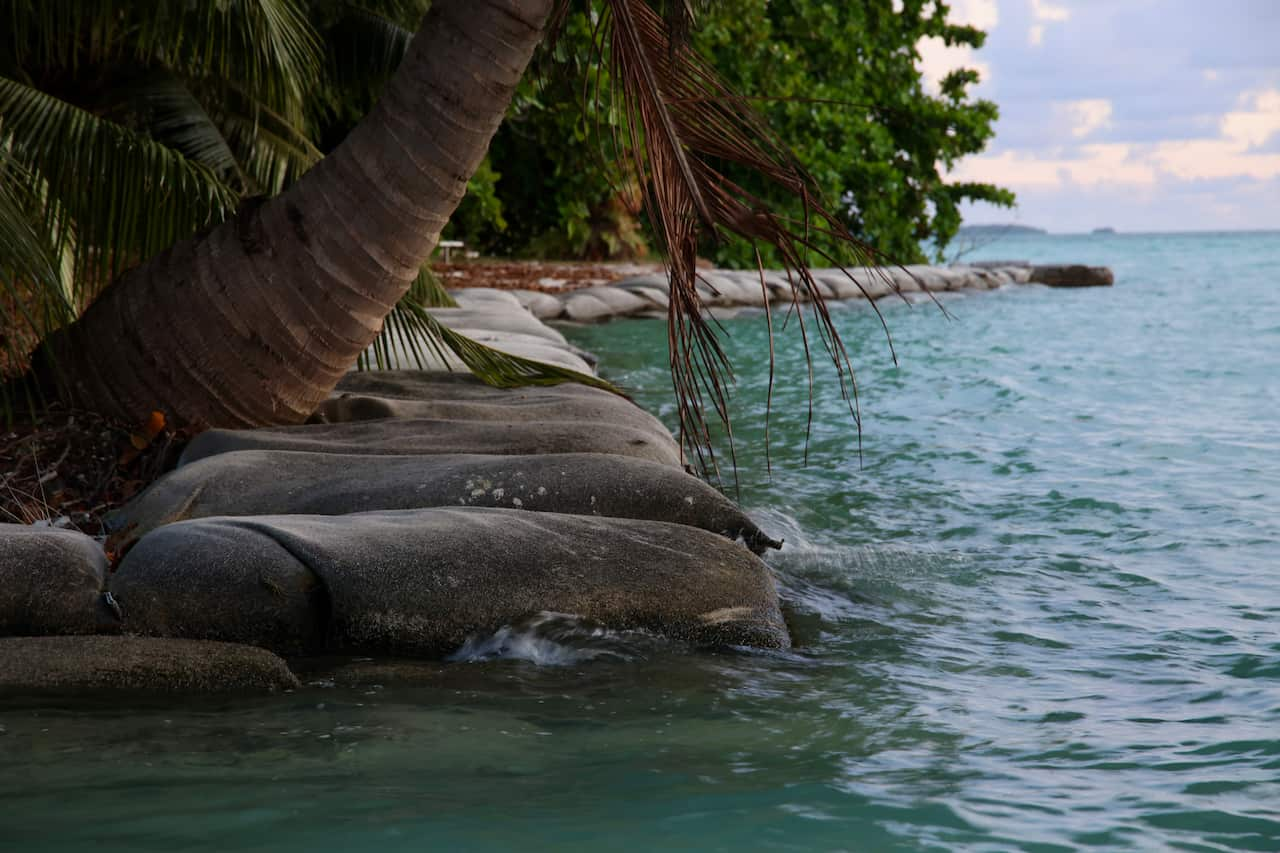
Changes in the island's 13-square-kilometre landscape over two centuries of habitation have not gone unnoticed.
Elders have witnessed the loss of 10-15 metres of land from the beachfront by the village in the past decade alone, prompting the construction of three seawalls.
Sixty-four-year-old Abedin Nod, whose home is on the row of houses nearest to the shoreline — about 50m away — says it is easy to see what scientists have long predicted about rising sea levels.
"We saw something changing, the edge of the island, the coral has been growing up," he tells SBS News.
Rising seas have also lifted the underground water table, so during persistent rain, surface water takes longer to dissipate.
According to a 2021 Coastal Vulnerability Study, there has been a vertical sea level rise of about 4mm per year around Home Island since 1992.
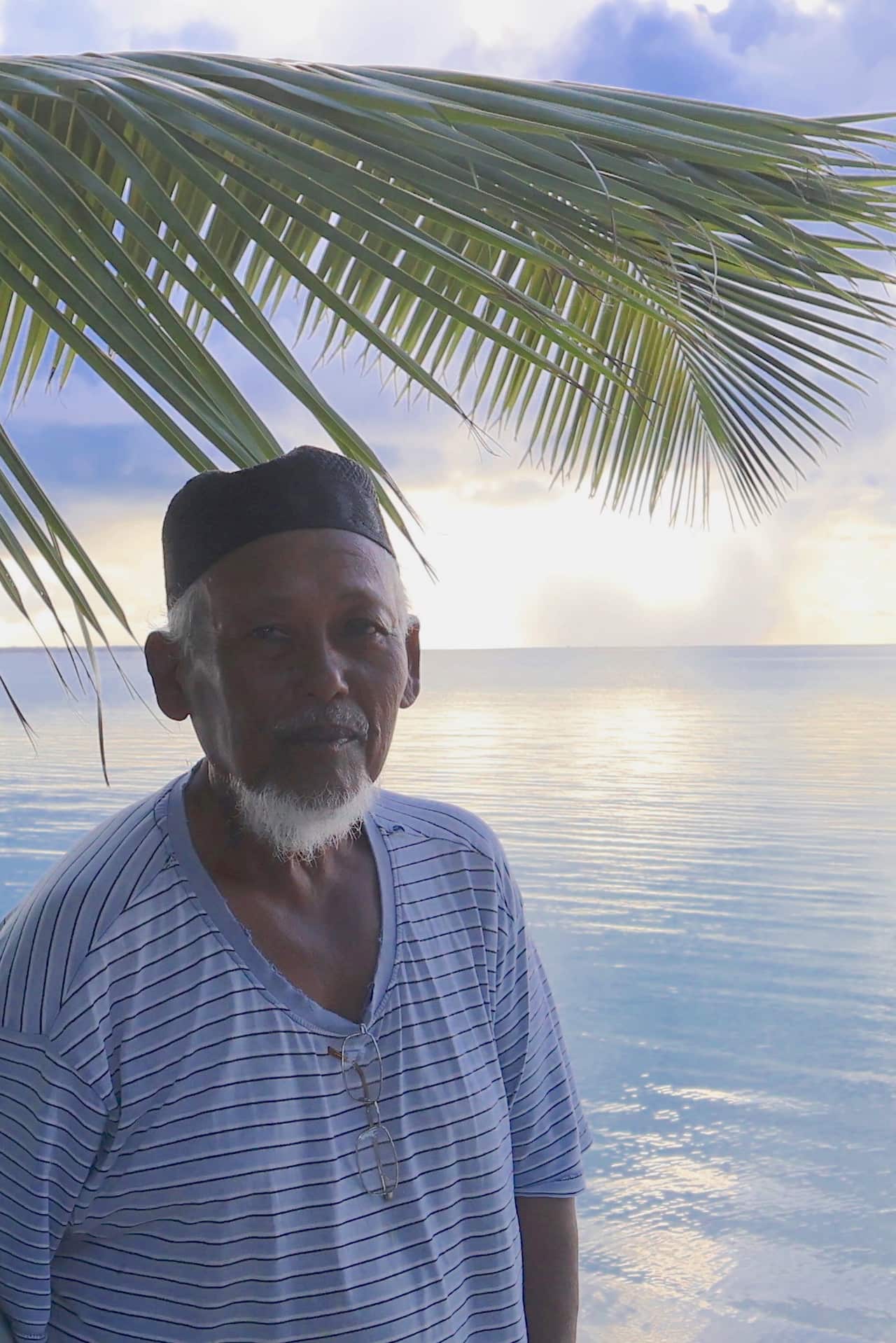
Forecasts from the study predict that if sea levels in the area continue to rise at this rate, they will be 14 to 18cm higher by 2030 and 40 to 44cm higher by 2070.
Professor Charitha Pattiaratchi from the University of Western Australia's Oceans Institute says, generally, a one-centimetre vertical rise in sea level translates to one metre of horizontal coastline loss, depending on local conditions.
As illustrated by modelling in the draft Coastal Hazard Risk Management and Adaptation Plan (CHRMAP) for Home Island, commissioned by the Australian government, this means the long, narrow island will continue to shrink.
What could the future hold?
The draft CHRMAP, released in August 2024, noted: "Potential interventions other than relocation of vulnerable assets will be cost-prohibitive in the long term."
A final version of the report has since been submitted to the Australian government for consideration, but it has not yet been released publicly.
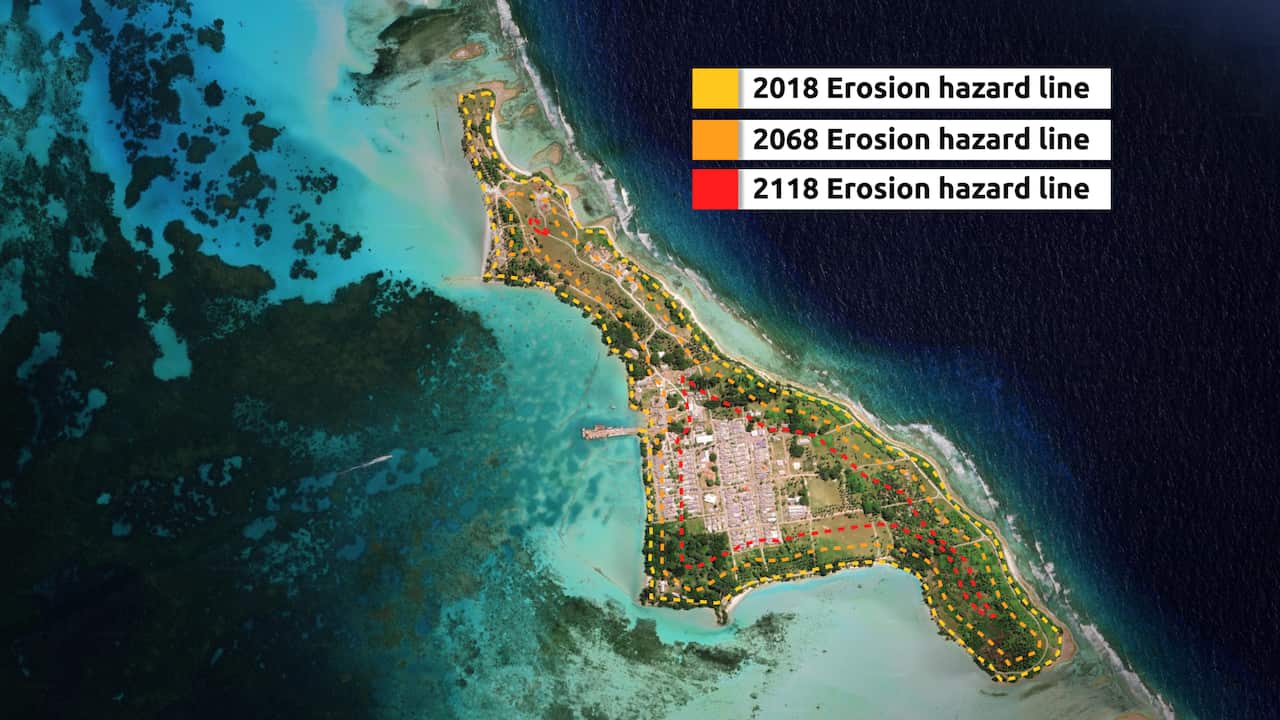
The draft warned there may not be enough habitable land on Home Island for the community to remain there without facing significant health and safety risks from "coastal inundation, erosion, and associated flooding".
It suggested that authorities should "investigate managed retreat of the Home Island community off-island" in the medium term (2028–2068) — meaning the community would be relocated.
"Depending on the results of medium-term managed retreat, it is likely that a full retreat from the island will be necessary," the draft noted.
Culture at risk
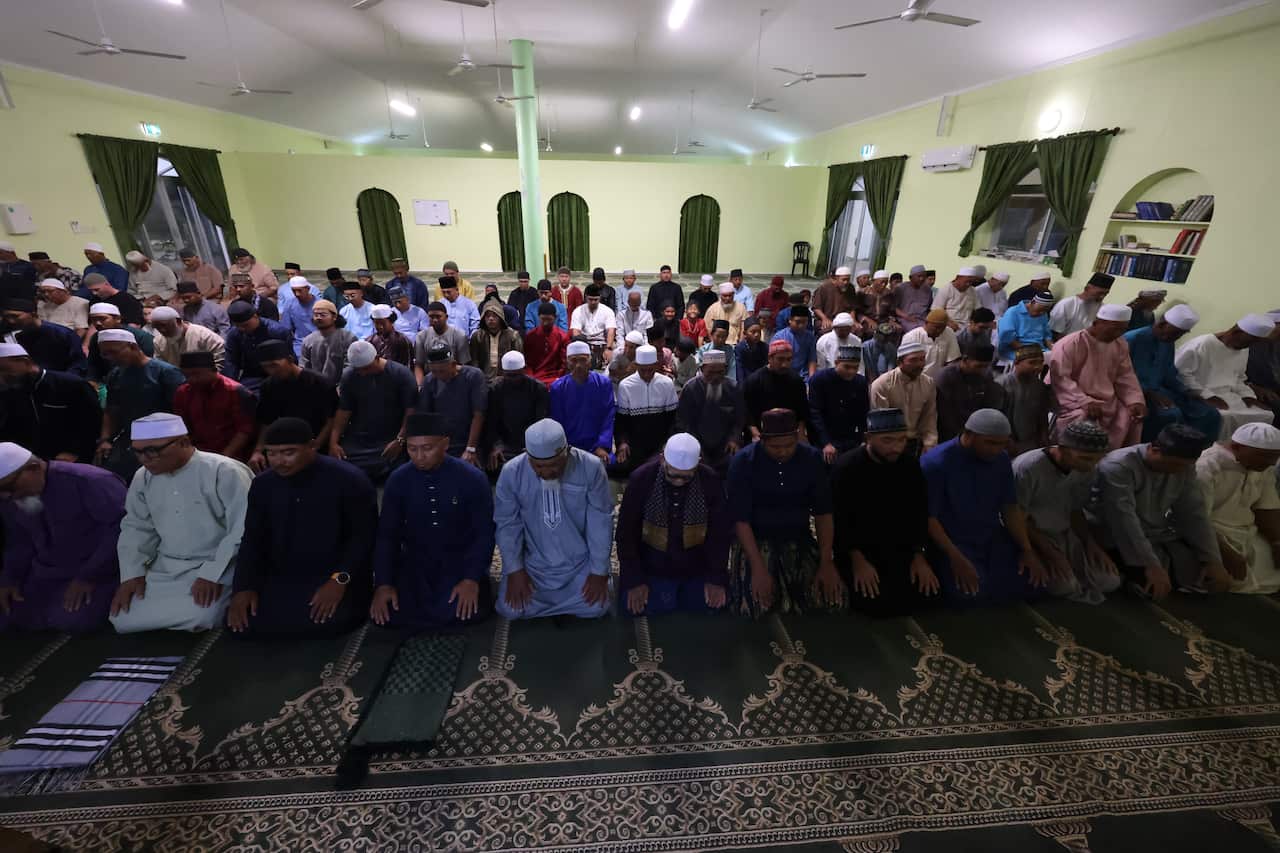
Home Island imam Haji Adam says without its island homeland, his community would no longer be the same.
"If they move to other places, the young generation will be changed, our culture will disappear," he tells SBS News.
"Within the mainland, people are living far away [from] each other, but in the kampong [village], we are living in the same sort of a community, same language, same culture, and even very close, house to house."
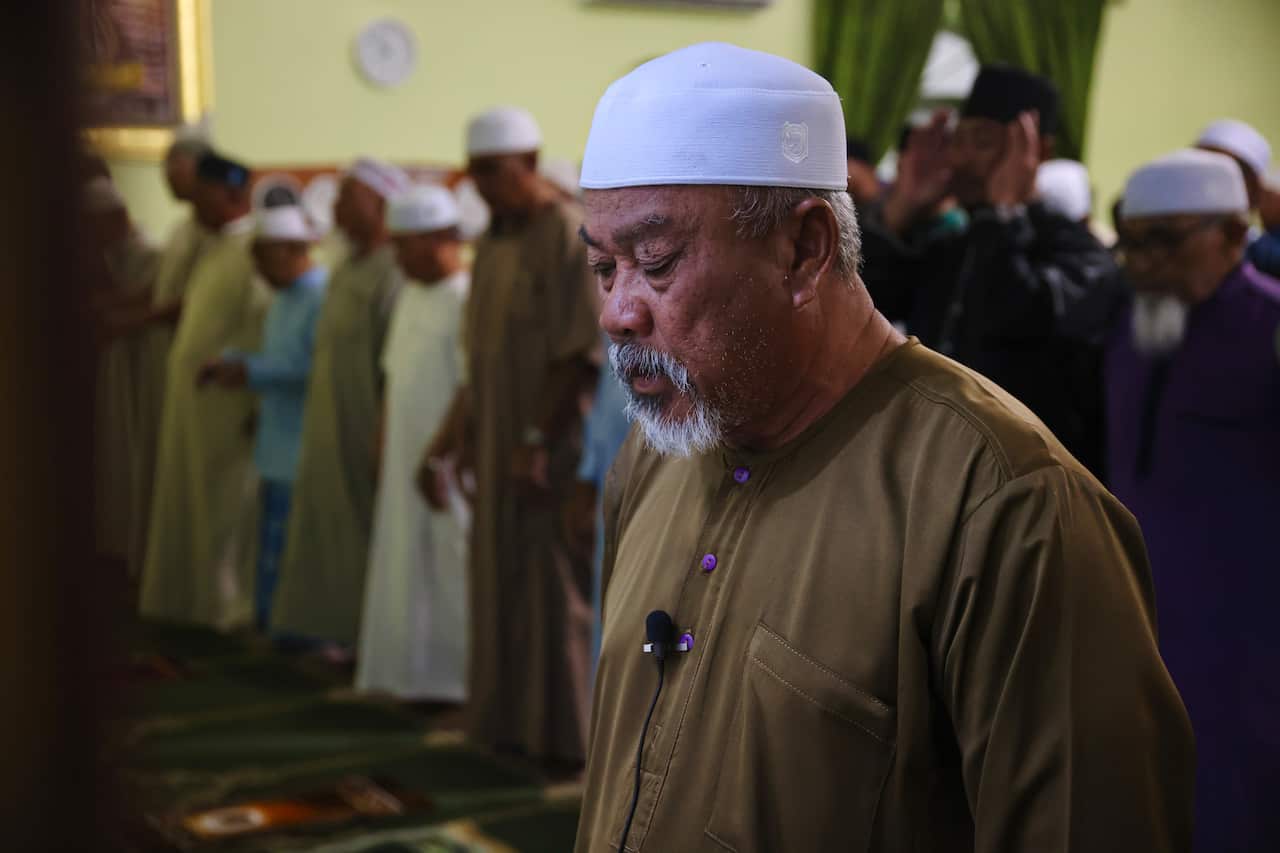
Adam says elders are deeply connected to the environment, the community and the spirit of the place, and are reluctant to leave.
"[The federal government] should look at, very seriously, how to provide the projects to protect the sea level coming to the shore."
West Island — a fragile alternative
The draft plan did not suggest relocating the civilian population of the neighbouring West Island, which has fewer than 150 people.
Instead, it recommended a combined asset-retreat and asset-protection pathway beyond 2068, noting "this may change to a planned or managed retreat pathway depending on Australian government priorities and level of investment".
It said land-use planning could move non-critical assets out of hazard zones while protecting key infrastructure, such as the fuel station, airport and jetty.
When SBS News asked community members about the rising sea levels and potential relocation, many questioned the scale of federal investment in the airstrip on West Island.
The government is spending more than $500 million upgrading the airstrip to accommodate heavier military planes.
A Department of Defence spokesperson told SBS News the upgrade would also improve facilities by enhancing the airfield's resilience against weather events.
"This will help to provide some immediate resilience against climate change, to ensure transportation in light of rising sea levels and inundation," the spokesperson said.
While the draft CHRMAP suggested investigating relocation to West Island, many Home Islanders, including Adam, say they would prefer funding directed towards protecting both islands, rather than expanding military infrastructure.
"They [Cocos Malays community] don't want to see the islands become a military base," Adam says.
Home Island has experienced the impacts of conflict before.
In 1944, during World War Two, the island was hit by a Japanese bomb that killed at least two people, with a third person never seen again, nor their body ever recovered.
"We don't want the second time it happens for the young generations in the future," Adam says.
A community weighing its future
Suilanti Sehat, 38, who lives on Home Island with her husband and children, says if relocation to West Island were to occur, many families would likely move to mainland Australia, where Cocos Malay communities are already established in places such as Katanning, Port Hedland or Geraldton — all in Western Australia.
Sehat, who was born on the island, says changes to services have already altered some of the connections locals once had to the place.
"I was born here, but I couldn't say 'my child is a Cocos Islander', because they're not born here," she tells SBS News.
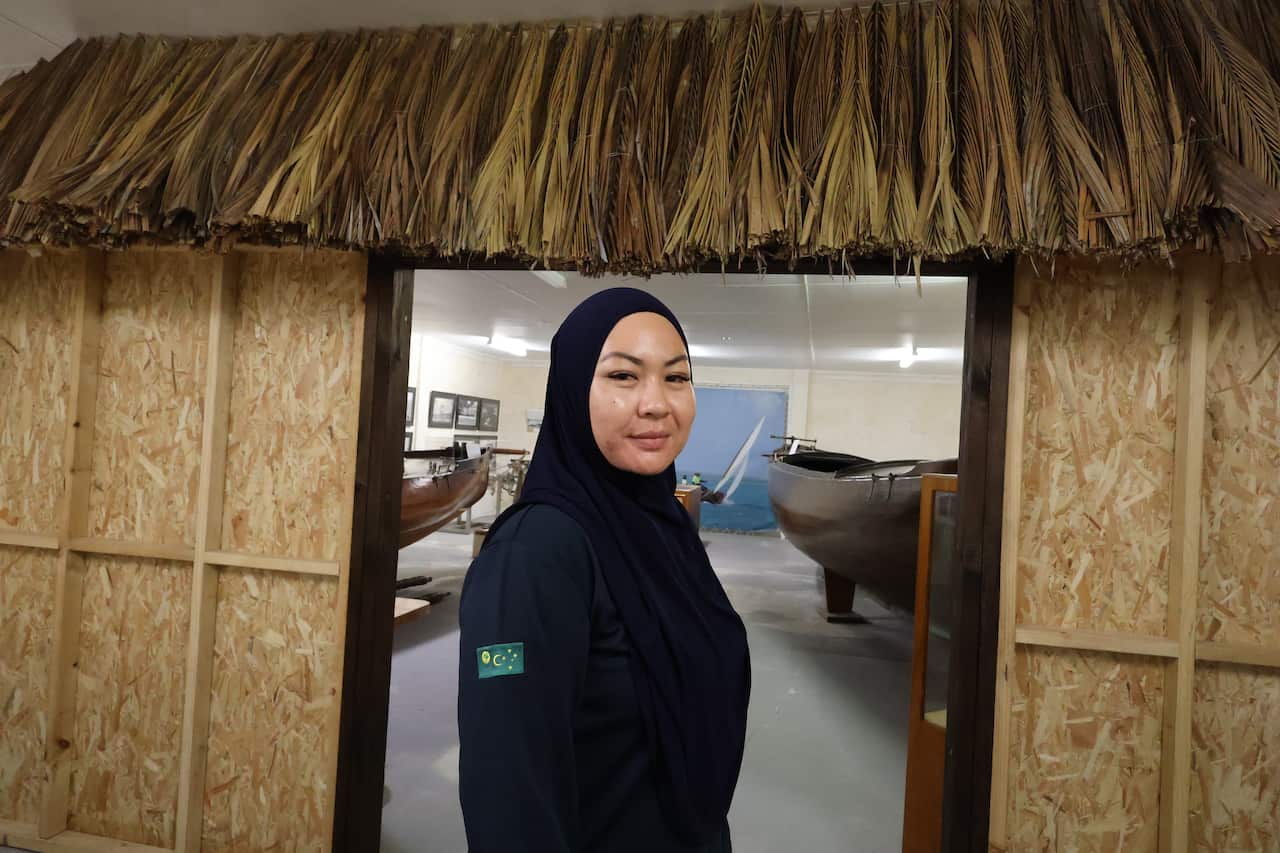
Since 1994, pregnant women on the island have had to travel to Perth at around 34 weeks' gestation, as maternity services are not available locally.
Sehat has one daughter at the local primary school, a son who takes the ferry each day to attend Year 10 classes on West Island, and another daughter who has just started boarding in Perth for Year 11 — as Sehat herself once did — as this level of education is not offered in the archipelago.
Despite these challenges, she feels her children have a way of life that would not be possible anywhere else.
"Just the laid-back lifestyle; there's no crime. When I'm at the visitor centre, we get people coming to ask, 'Where do I get the key for my accommodation?' It's not locked, you can just go in, we don't even lock our car," she says.
Sehat says the close-knit village environment has helped her raise her children, with family nearby and community members often stepping in to help one another.
At the same time, some younger adult Cocos Malays have bought property on the mainland in recent years as a backup plan for the future.
For many, this makes sense, given houses on Home Island do not function as assets — they are rented or leased, often on 99-year arrangements, rather than privately owned.
Adam says many community members believe it would only be fair for the government to provide compensation if services on the island were reduced, or relocation encouraged or enforced.
"So that money we can use to purchase something on the mainland, like properties," he says.
Human rights questions
Australian Human Rights Commission president Hugh de Kretser says a forced relocation should only occur as a last resort, after exhausting all other reasonable options.
"The planned relocation of a community due to climate change raises a range of critical human rights issues," he said in a statement to SBS News.
De Kretser says the community living on the Cocos Islands has a unique culture that could be particularly at risk if any relocation occurs.
Australian governments have the primary responsibility for complying with human rights in any planned relocation.
"Guidance from UN agencies sets out human rights safeguards that should be observed, including community access to information and prioritising obtaining voluntary, informed consent."
De Kretser says there must be compelling reasons, robust evidence and a sound legal basis for any relocation.
It is also important, he says, that governments embed human rights protections in responses to natural disasters, including "the slow-onset disaster of sea level rise".
Waiting on governments
Shire of Cocos (Keeling) Islands CEO Matthew Scott says the draft CHRMAP and even its final version, when released, is not intended to be a decision-making document.
"It represents the beginning of a planning process, not a final outcome," Scott tells SBS News.
In a 2025 submission to the Australian government, the shire referenced a UN Human Rights Council report stating that relocation without free, prior, and informed consent should occur only in accordance with national laws and regulations.
The shire argued: "No such 'established' national laws and regulations exist to allow for the comprehensive assessment required to allow a state to relocate an island community, with an attached unique identity and culture, away from its home."
A spokesperson for the Department of Infrastructure, Transport, Regional Development, Communications, Sport and the Arts, said community feedback had been incorporated into the final CHRMAP.
While they did not say when it would be released, they reiterated that "no decisions have been made on next steps" and any response would be informed by the views of the community.
"A ministerial working group is working on a response to the impacts of climate change on [the Cocos Islands], informed by extensive community consultation and engagement," the department spokesperson told SBS News.
Where home still is
For Mokta, the future of the island and whether its community can remain here may ultimately be decided far away, in government offices and planning reports.
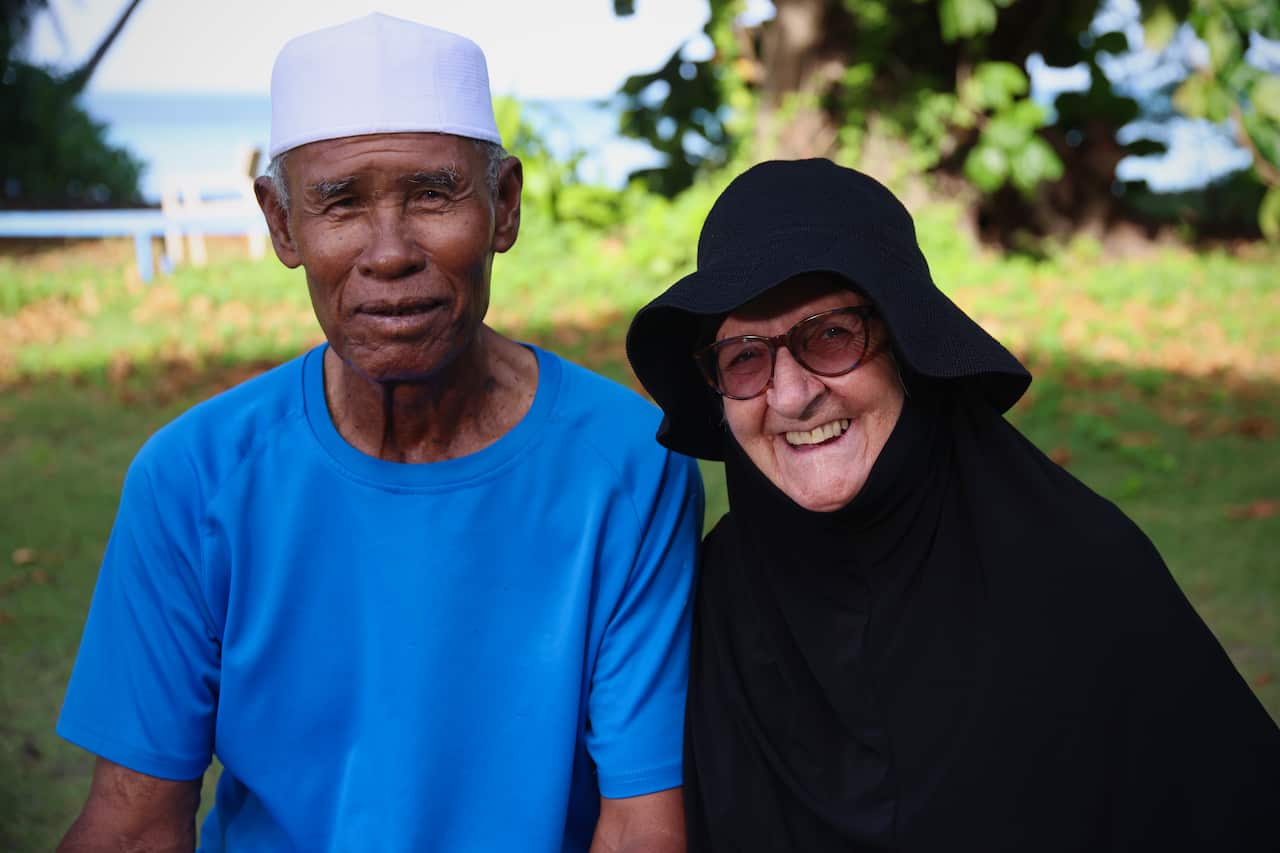
But here on Home Island, where the lagoon, village and reef have shaped Mokta's entire life, the connection runs deeper than any plan on paper.
I feel this is my home, this is my land and I really want to have my family here.
Aleisha Orr travelled to the Cocos Islands with support from the Michael Gordon Fellowship.
— With additional reporting by Chris Tan.
For the latest from SBS News, download our app and subscribe to our newsletter.







