

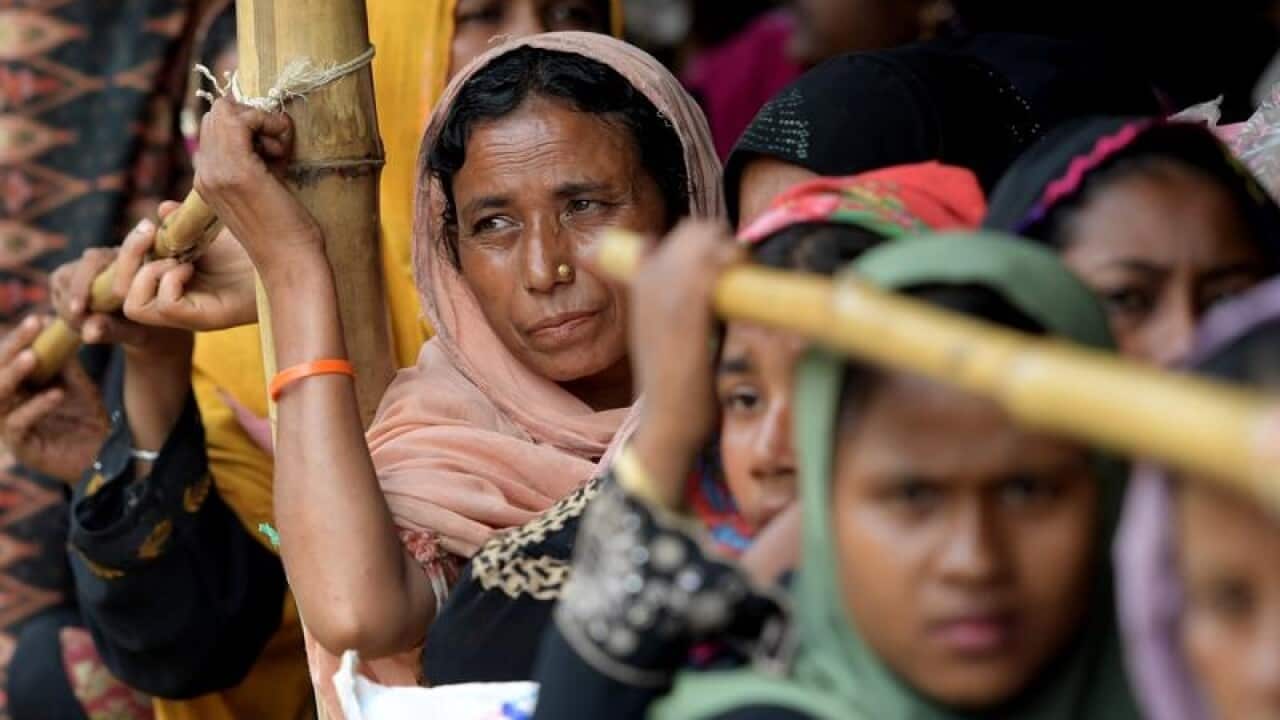
A diet of rice, vegetable oil and lentils doesn't sound particularly appetising.
For Rohingya refugees living in camps near Cox's Bazar Bangladesh, those emergency food rations are the difference between basic calories and starvation.
More than 700,000 Rohingya people have poured across the border to escape Myanmar's troubled Rakhine since last August following a military crackdown.
News that makes sense
Your trusted source for staying up-to-date with the world around you. Get free daily news updates and analysis, straight to your inbox.
Among the atrocities, villages were burned, women raped and babies murdered.
The World Food Program is hoping in coming months to add more diversity to the diets of Rohingya people in the camps.
The program hopes to roll out an electronic-voucher system to all Rohingya families by June that will allow people to buy vegetables and fish in local markets.
There are hopes this will help ease tension with local communities because nearby small businesses will benefit.
WFP executive director David Beasley was in Canberra last week to discuss the humanitarian crisis with Foreign Minister Julie Bishop.
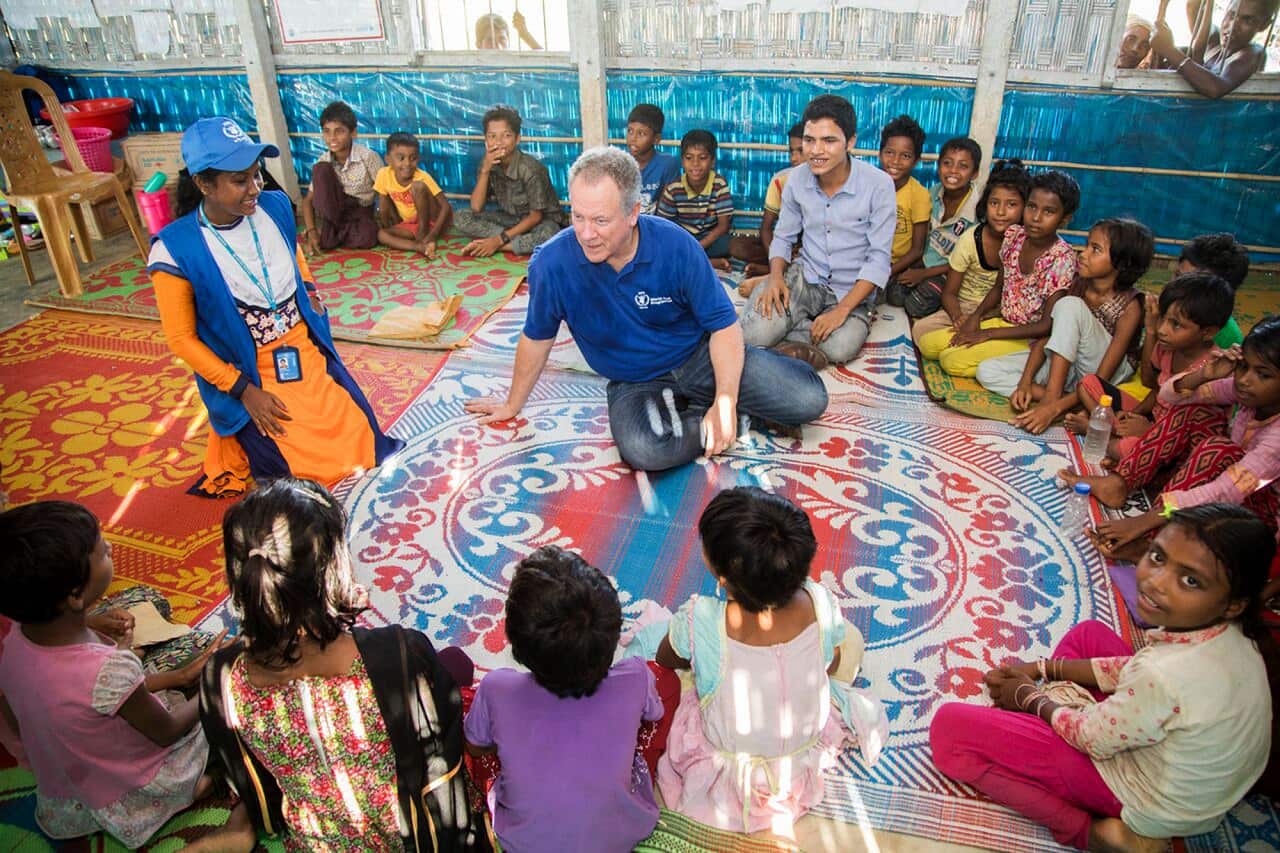
Mr Beasley said the organisation needs $38 million a month to feed Rohingya refugees and has received 42 per cent of the money it needs so far.
"We're hopeful other donor countries will step up," he told AAP while praising Australian taxpayers' contribution.
Australia has contributed $31.5 million to the humanitarian crisis since September 2017
The former US Republican Governor of South Carolina visited the camps last year and was struck by the sheer scale of the crisis.
"As the father of four children - two boys and two girls - it's heartbreaking to see what these children who did survive have to go through," he said.
"Despite everything you can still see the brightness in their eyes and hope."
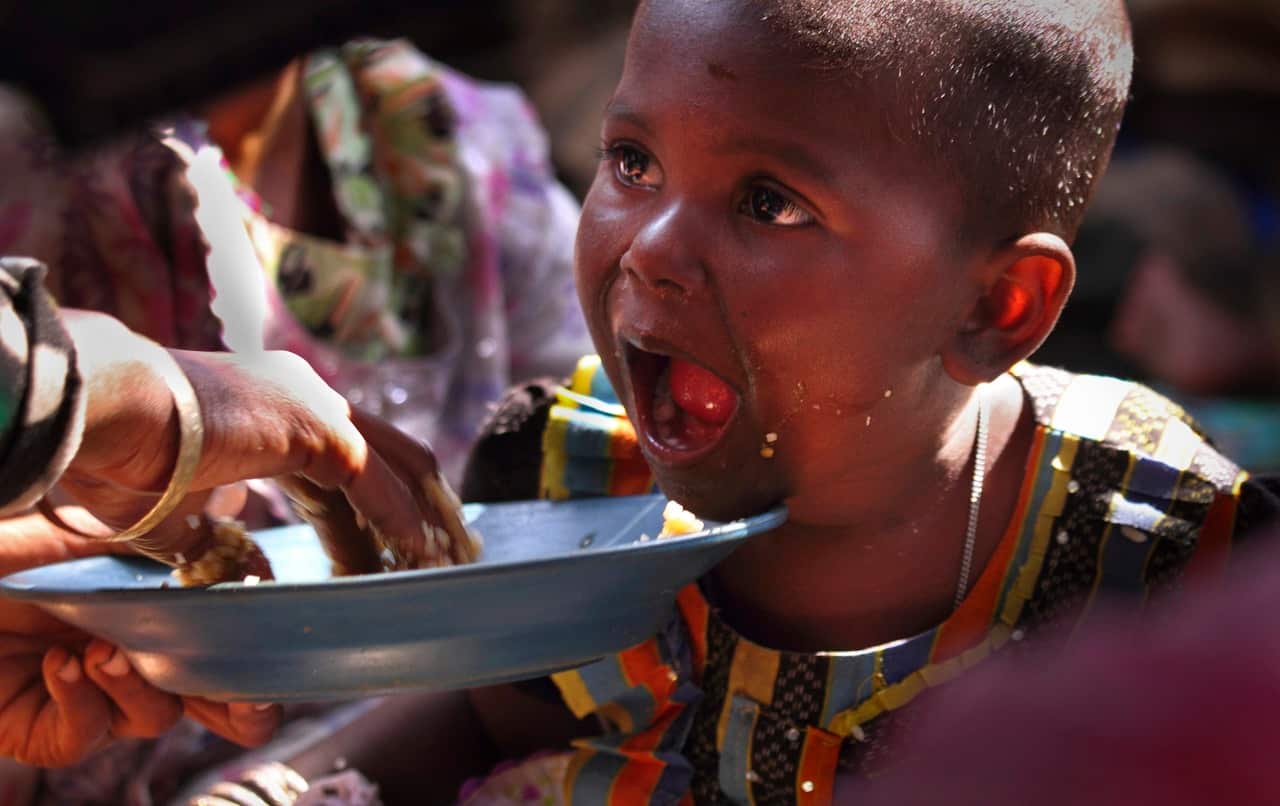
The next few months will prove challenging with cyclones and monsoon rains expected while hygiene challenges "created a perfect storm" for disease.
"We're very concerned about mudslides that can endanger the lives of a lot of people," he said.
The organisation has brought in engineers and is working with the Bangladesh military and other aid groups to try disaster-proof the camps.
Meanwhile, Myanmar has this week given the nod for the United Nations Security Council to visit the Rakhine state in April
Representatives will also visit the Bangladesh camps.