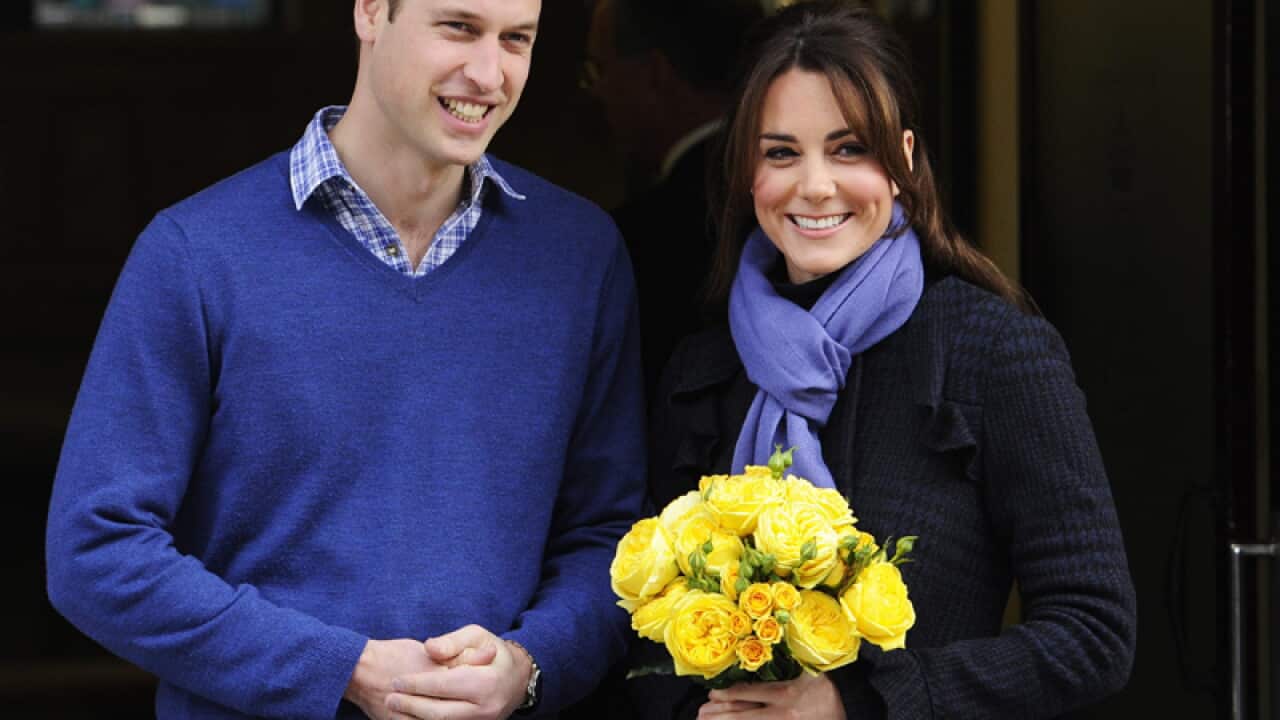
A radical shake-up of the rules of succession was rushed through parliament ahead of the birth of the royal baby.
But with the arrival of a son for the Duke and Duchess of Cambridge, it is not likely to be until the next generation that the law affects who actually accedes to the throne.
The new prince would have traditionally been a future monarch without the modernising legislation.
Previously, under the ancient rules of male primogeniture, royal sons took precedence over their female siblings, even leapfrogging first-born royal daughters.
Had William and Kate had a girl, she would have been the first queen in the British royal family to rule in her own right, not simply because of the absence of a brother.
News that makes sense
Your trusted source for staying up-to-date with the world around you. Get free daily news updates and analysis, straight to your inbox.
The male primogeniture principle was criticised as outdated and discriminatory.
Moves towards constitutional change gathered pace after William and Kate's wedding in April 2011 in anticipation they would produce offspring.
In October 2011, Prime Minister David Cameron announced that the 16 Commonwealth countries where the Queen is head of state had agreed to give female royals the same rights of succession as their brothers.
The current generation of royals will not be affected. It is not be retrospective - meaning the Princess Royal does not jump ahead of her younger brothers the Duke of York and the Earl of Wessex.
Downing Street said any attempt to alter the law would be a "difficult and complex matter", with parallel legislation needed in all such Commonwealth nations.
The Succession to the Crown Bill cleared the House of Lords in late April, after being fast-tracked through both Houses of Parliament in just three months. It became law as the Succession to the Crown Act 2013 after being given Royal Assent on April 25.
The act will come into force once it is approved by the other Commonwealth countries where the Queen is head of state.
A legal challenge has been launched in Quebec, Canada, with two constitutional experts arguing that the Canadian government acted unconstitutionally by failing to seek the approval of each of the country's 10 provinces before agreeing to the changes.
Royal historian Dr Kate Williams hailed the change to the succession laws as hugely significant.
"It's very important," she said. "We've been behind the European monarchy in this. For a long time we've had a situation where the woman only comes to the throne if she has no brothers."
She added that now, if born first, a woman would automatically be entitled to become queen and take on "the most important job in the country".
Dr Williams raised the prospect that this could affect hereditary titles.
"We'll have to see the impact on the wider aristocracy and their titles. It will mean it's more amenable to leave a title to a woman."
The new legislation could affect the new prince if he decided to marry a Roman Catholic.
The act allows anyone who marries a Roman Catholic to now remain in line to the throne, and limits the requirement that all descendants of George II must obtain the monarch's permission to marry to the six people nearest in line to the crown.
But the current prohibition on the monarch being a Catholic will remain in force.
The Prince of Wales has, however, reportedly expressed concerns about the implications, voicing worries about what will happen if his grandchild does marry a Roman Catholic.
It raises the prospect of a future monarch's child - perhaps Charles's great-grandchild - being brought up in that faith.
This could ultimately lead to the constitutional crisis with a future King or Queen, who would eventually be the Supreme Governor of the Church of England, being barred from the throne because he/she is a Catholic.







