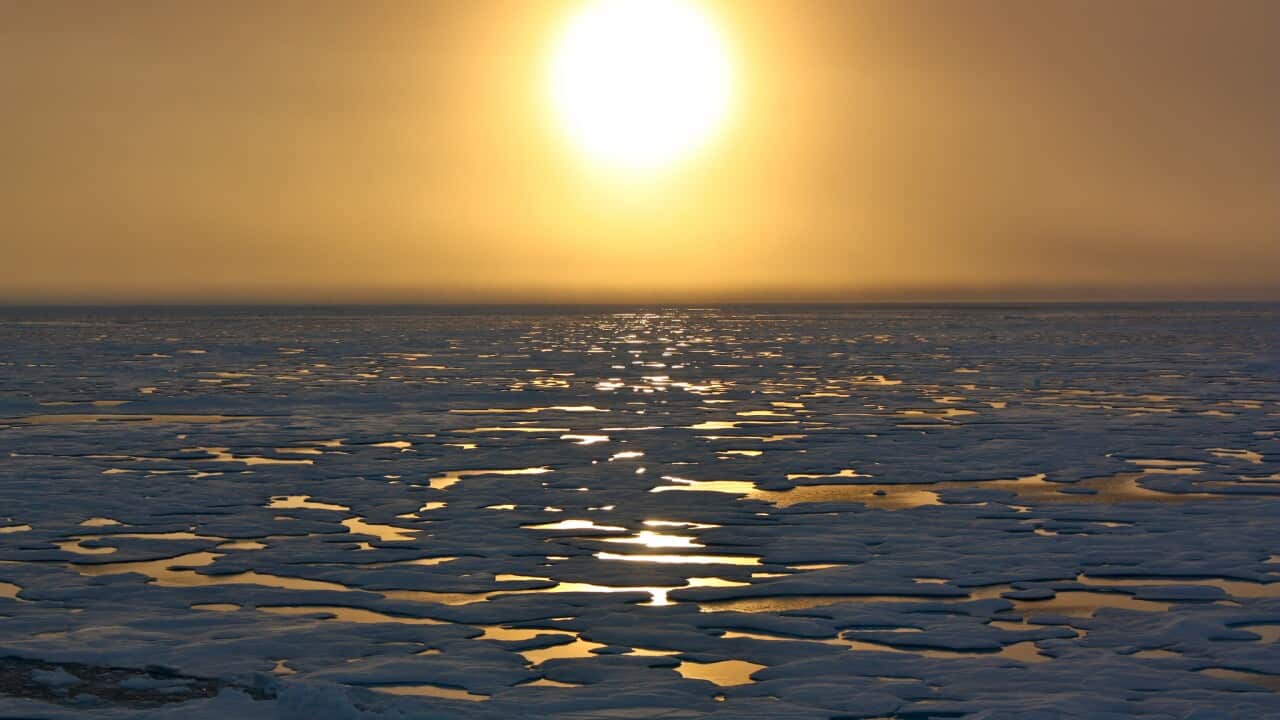
The Russian government announced that it had delivered "ample scientific data" to the United Nations to back its claim to more than 1 million square kms of Arctic territory and the wealth of energy, gems and precious metals believed to lie within.
"A vast array of scientific data collected during many years of Arctic research serves to justify Russia's rights to this area," the Russian Foreign Ministry said in a statement.
Moscow is also asserting ownership of the emerging Northern Sea Route, the potentially lucrative seasonal shipping route opening above its northern coastline as Arctic ice melts.
Russia was the first to claim the Arctic sea shelf as sovereign territory. That bid was rejected in 2002 by a UN commission on the grounds of insufficient evidence.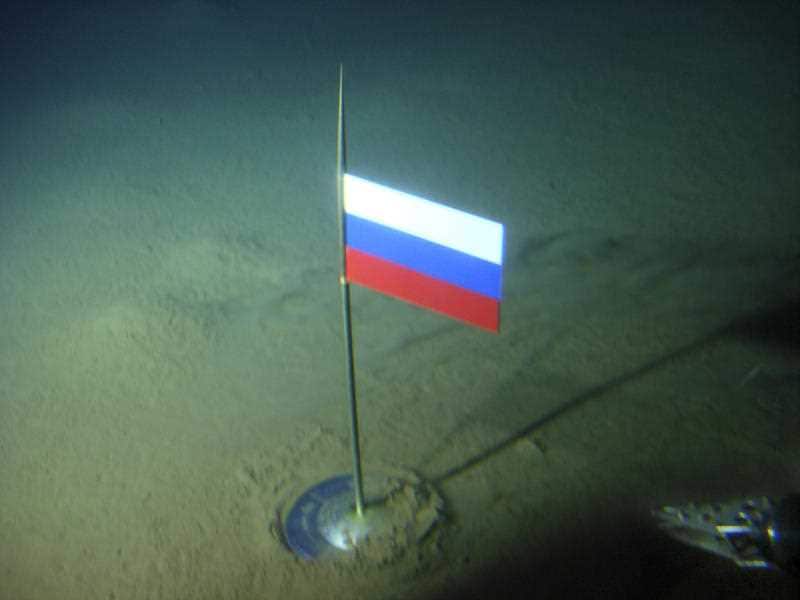 The United States, Canada, Denmark and Norway also are pursuing jurisdiction over seabed in the Arctic, where a quarter of the world's remaining oil and gas reserves may be embedded.
A titanium capsule with the Russian flag is seen seconds after it was planted by the Mir-1 mini submarine on the Arctic Ocean seabed under the North Pole. Aug. 2, 2007 Source: AP
As global warming causes the Arctic ice cap to melt, more of the previously unchartered territory has become accessible.
The Arctic rush carries considerable climate risks, campaigners say. Greenpeace, which is calling for a protected sanctuary in the uninhabited area around the North Pole, said Russia's move was "ominous".
"The melting of the Arctic ice is uncovering a new and vulnerable sea, but countries like Russia and Norway want to turn it into the next Saudi Arabia," it said in a statement.
Share


