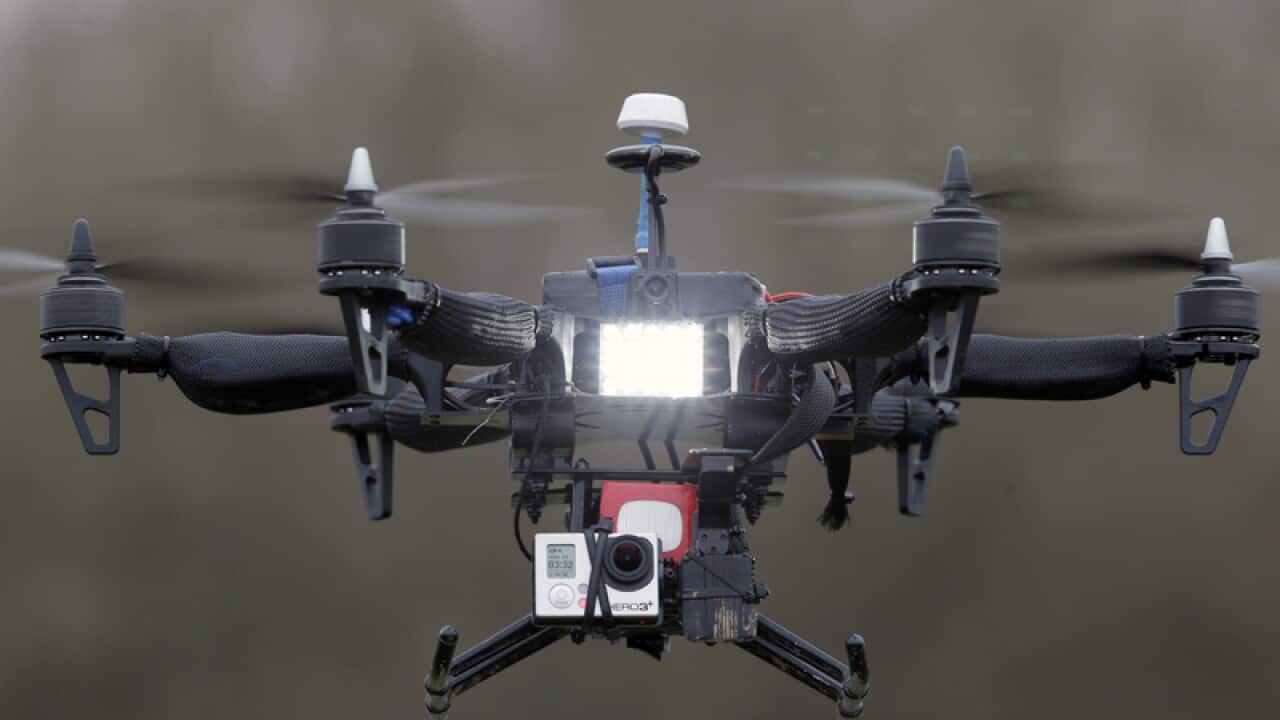
International delivery company UPS is backing a start-up using drones in Rwanda to transport life-saving blood supplies and vaccines, underlining the wide potential for the unmanned aircraft and helping bring package delivery by drone to US consumers a step closer.
US companies are keen to use drones to cut delivery times and costs but hurdles range from smoothing communication between the autonomous robots and aeroplanes in America's crowded airspace to ensuring battery safety and longevity.
As far back as 2013, online retailer Amazon said it was testing delivery using drones and Alphabet Inc's Google has promised such a service by 2017. Leading retailer Walmart is also testing drones.
But UPS, Walmart, legal experts and consultants say overcoming US regulatory hurdles and concerns over drone safety will require vast amounts of data from real-time use - with testing in the near-term limited to remote areas of the United States or in other countries.
UPS will provide a grant of $800,000 plus logistical support through the UPS Foundation to a partnership including Gavi, a group providing vaccines to poor countries, and robotics company Zipline International Inc, for drone flights in Rwanda starting in August.
News that makes sense
Your trusted source for staying up-to-date with the world around you. Get free daily news updates and analysis, straight to your inbox.
The drones will deliver blood and vaccines to half the transfusion centres in the country of 11 million people, making deliveries 20 times faster than by land.
"Tens of thousands of hours of flight logged in an environment where it's much easier" to operate will help make package delivery a reality in the United States, Zipline chief executive Keller Rinaudo told reporters at a presentation late last week.
The Federal Aviation Administration (FAA), which has adopted a step-by-step approach to drones, will soon release finalised rules for small drone use that will most likely limit their use to within the "visual line-of-sight" of an operator or observer.
"If you're looking for an economically-efficient way to deliver packages, you'd be better off using a bicycle," said Ryan Calo, an assistant law professor at the University of Washington specialising in robotics.
The hurdles to using drones to deliver packages to consumers include technology, communication, insurance and privacy.
Safe communication between drones and with aeroplanes in America's busy airspace is years away. The National Aeronautics and Space Administration has been working on a drone traffic management system and will pass its research to the FAA in 2019 for further testing.







