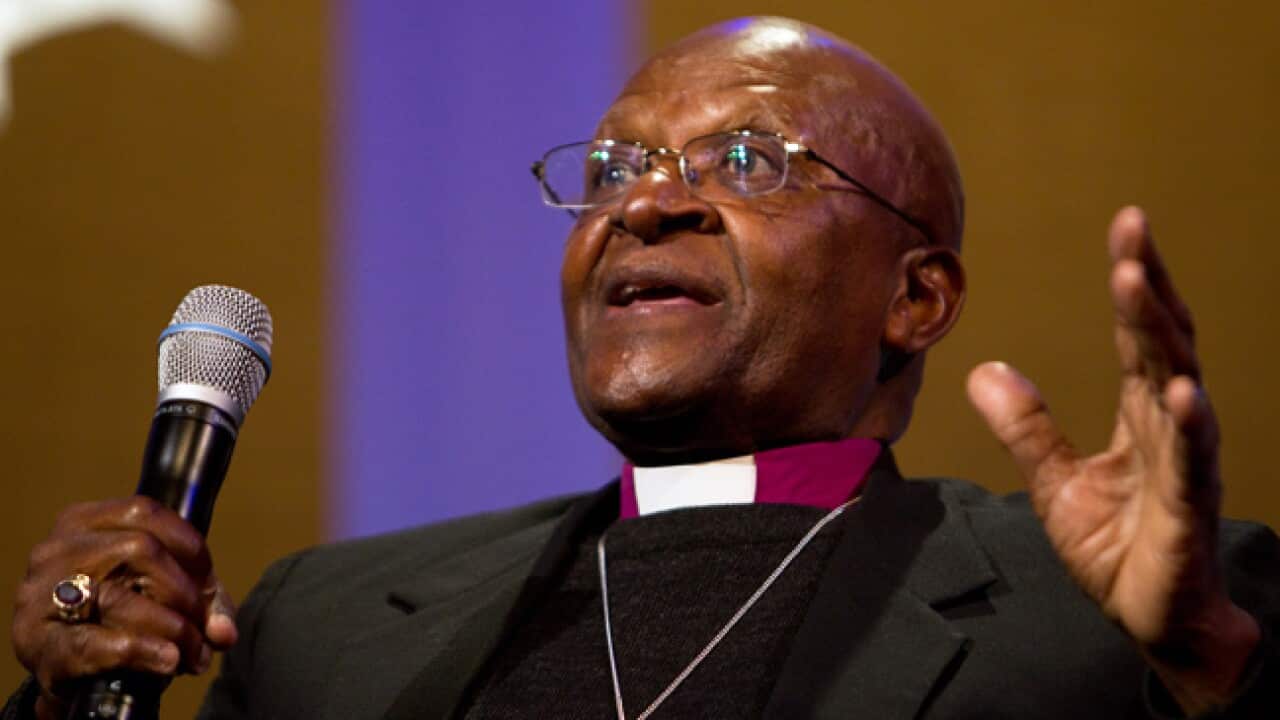
South Sudan nationals must soon start to see the "benefits of independence" or risk instability, Archbishop Desmond Tutu said.
After visiting the new nation's President Salva Kiir as part of a panel of elders, the Nobel peace prize winner urged the government to show people "the so-called peace dividend" from almost fifty years of civil war that ended in a July 9 secession last year.
"You don't have to be too smart to know that people are going to run out of patience here if they do not begin to see that there are benefits of being independent", such as schools, healthcare, jobs and electricity, Tutu said.
News that makes sense
Your trusted source for staying up-to-date with the world around you. Get free daily news updates and analysis, straight to your inbox.
Likening the situation to his native South Africa, where he championed the anti-apartheid movement with peaceful demonstrations, Tutu warned the government that failing to deliver basic services could spark a revolt.
"If those things don't come within a reasonable period then you have a sure recipe for unrest and all the ghastly things we hope won't happen," he said.
South Sudan, which inherited three-quarters of the previously united nation's oil, took the drastic decision of shutting down production that makes up 98 percent of its revenue in January, after accusing Sudan of "stealing" it during its export via northern infrastructure.
Tutu cited "recent rumblings in the north", that has suffered a double blow from the loss of Southern crude and transit revenues and has experienced weeks over protests over high prices and cuts to fuel subsidies.
"I think that both presidents would be aware, especially here in the south of the expectations from their people. You're only going to keep the people quiet for only so long", he said.
The elders said that "peace and good neigbourliness" existed between the two countries, that briefly went back to war in April over outstanding issues of borders, oil, and contested territory that months of African-Union led talks have failed to resolve.
"We are very hopeful our small intervention will have helped to encourage President Kiir and his government to say peace is of the essence. It is the absolute requirement for our being able to provide the people what they thought came with independence."
Tutu said that the panel did not discuss corruption with Kiir, who recently wrote to 75 officials asking them to return $4 billion of "stolen" government money.
"We are very, very chuffed that President Kiir has come out as strongly as he has done against corruption," he said of a "disease that affects virtually every country in the world".
But he said that the few should not "collar" resources for the many, and expressed hope that South Sudan could "show how you deal effectively with corruption".







