(Transcript from World News Australia Radio)
It came a day after the federal government introduced an Act of Recognition into parliament to recognise that Australia was first inhabited by Aboriginal and Torres Strait Islander people.
News that makes sense
Your trusted source for staying up-to-date with the world around you. Get free daily news updates and analysis, straight to your inbox.
The federal Act has been proposed because efforts to reform the federal constitution via referendum have stalled.
South Australia's Aboriginal leaders hope their state's constitutional change process will meet with greater success.
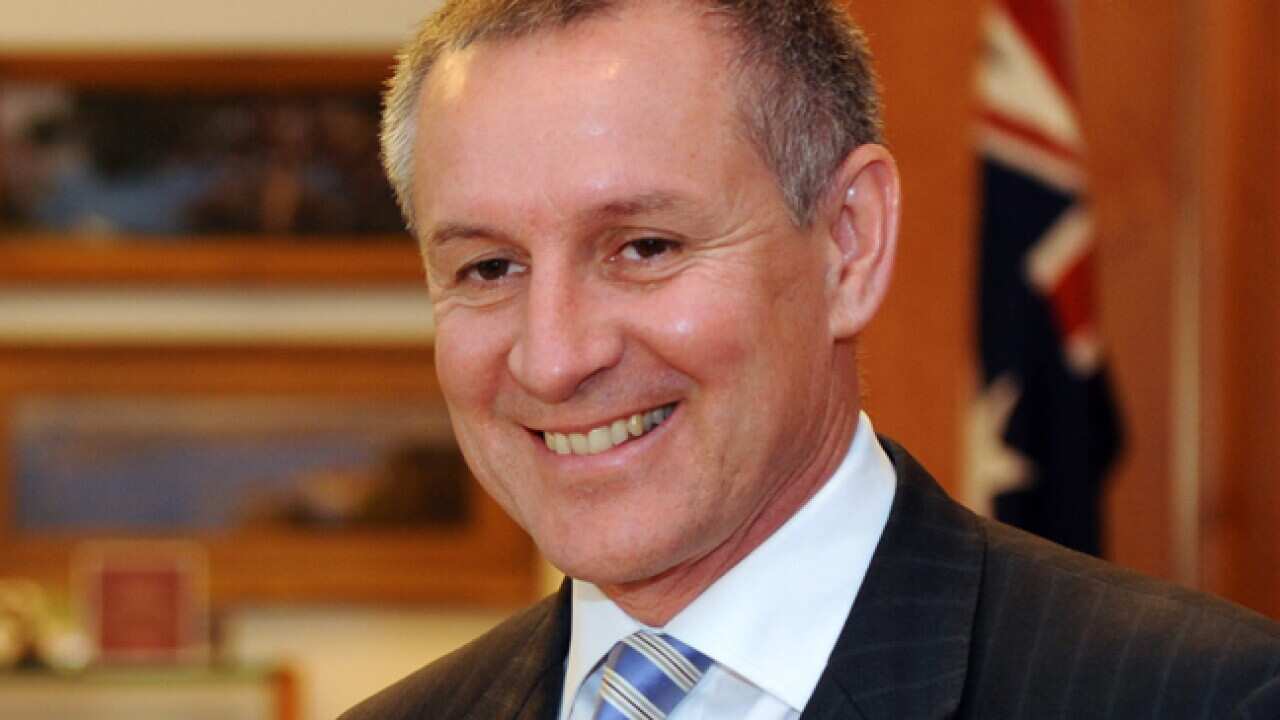
It's a Bill that's been a long time coming but finally presented to the South Australian Parliament by Premier Jay Weatherill.
"Notice of motion, government business number one: the honourable the Premier to move. Honourable the Premier. Thank you madam speaker. I move that I have leave to introduce an Act to amend the Constitution Act 1934. Is that seconded? Put the question, for the question say aye, against nay. The ayes have it. Mr Clerk? A Bill for an Act to amend the Constitution Act 1934."
And with those words, some 175 years after South Australia's establishment, the parliament has begun to address their predecessors' failure to recognise, consult or authorise Aboriginal citizens in the state constitution.
The wording of the proposed constitutional amendment was drawn up by an advisory panel after extensive statewide public consultations.
The panel's chairman is indigenous academic Professor Peter Buckskin.
"Unfortunately it was a missed opportunity for the founding fathers of this state to negotiate with indigenous people. I mean, they'd been here or around since 1836 and we didn't get the constitution proclaimed until 1934, so they had a hundred years to negotiate and work with Aboriginal leadership and understood there were clearly Aboriginal people here before the white settlers came and yet they still failed to negotiate."
Professor Buckskin says the insult and injury from nearly two centuries of being ignored is more keenly felt because in 1836, Britain's King William the 4th decreed that South Australian Aboriginal rights should be recognised, and their land remain their own.
The document that was meant to enshrine Aboriginal rights, the letters patent, was never honoured.
Premier Weatherill says this Bill can't repair that injustice, but it can acknowledge it .
"This recognition, long overdue, is a critically important mark of respect of Aboriginal peoples past, present and future. It is an Act that has the capacity to reach across generations and to be of significant value to both Aboriginal and non-Aboriginal people. It is also a means by which we enhance the self-esteem of South Australia's first peoples while strengthening the identity of our state."
But unlike previous constitutional changes in Victoria, New South Wales and Queensland, the South Australian version includes a caveat negating its legal force, thwarting those who'd use this opportunity to seek compensation for past wrongs.
Premier Weatherill defends the controversial caveat as necessary.
"Some may consider that this subsection robs this recognition process of its significance. However this is not so. That significance of the amendment arises by virtue of the formal recognition of past injustices and the ongoing unique contribution made by Aboriginal peoples to the life of the state. It is not, and was never intended to become, a tool for litigation. Were this to occur, then the statement of recognition contained in this amendment would become a source of division rather than a step towards reconciliation."
Peter Buckskin is confident the document captures community feeling.
"Well I think we reflected the true sentiments that came out of the consultations both the written submissions and the consultations that we had face to face - I hope that the Aboriginal South Australians that see this work see that we captured and listened to their statements."
But not everyone's happy.
Deputy Opposition leader Stephen Marshall has accused the Premier of using the constitutional changes to deflect attention from what he says is the government's poor performance on Aboriginal issues.
"This is becoming a key theme of this government in the way that they operate with regards to indigenous affairs here in South Australia. It is completely unacceptable that the opposition has not been consulted by the Premier on his plan to change our constitution here in South Australia. When the Premier first announced his intention to consult with the people of South Australia about a constitutional change, he again sent the message to the opposition as a text message at quarter to eight at night, quarter to eight at night, before his announcement the next morning on this important issue at breakfast. It shows complete and utter disregard for this important area that should be bipartisan."
Political support is crucial as unlike the stalled federal process, constitutional amendments in South Australia are not decided by referendum but parliamentary vote.
Peter Buckskin is hopeful that social unity can result in political unity too.
"I hope that all South Australians will work with the members of this state parliament of South Australia to ensure that when they come back in February that when this goes to the vote that we do receive the majority that's required to ensure this becomes law."







