
In Brief
- A social media trend known as "sardinemaxxing" has seen sardines cleared from supermarket shelves after hot demand.
- Experts say the social media trend could be dangerous for other fish.
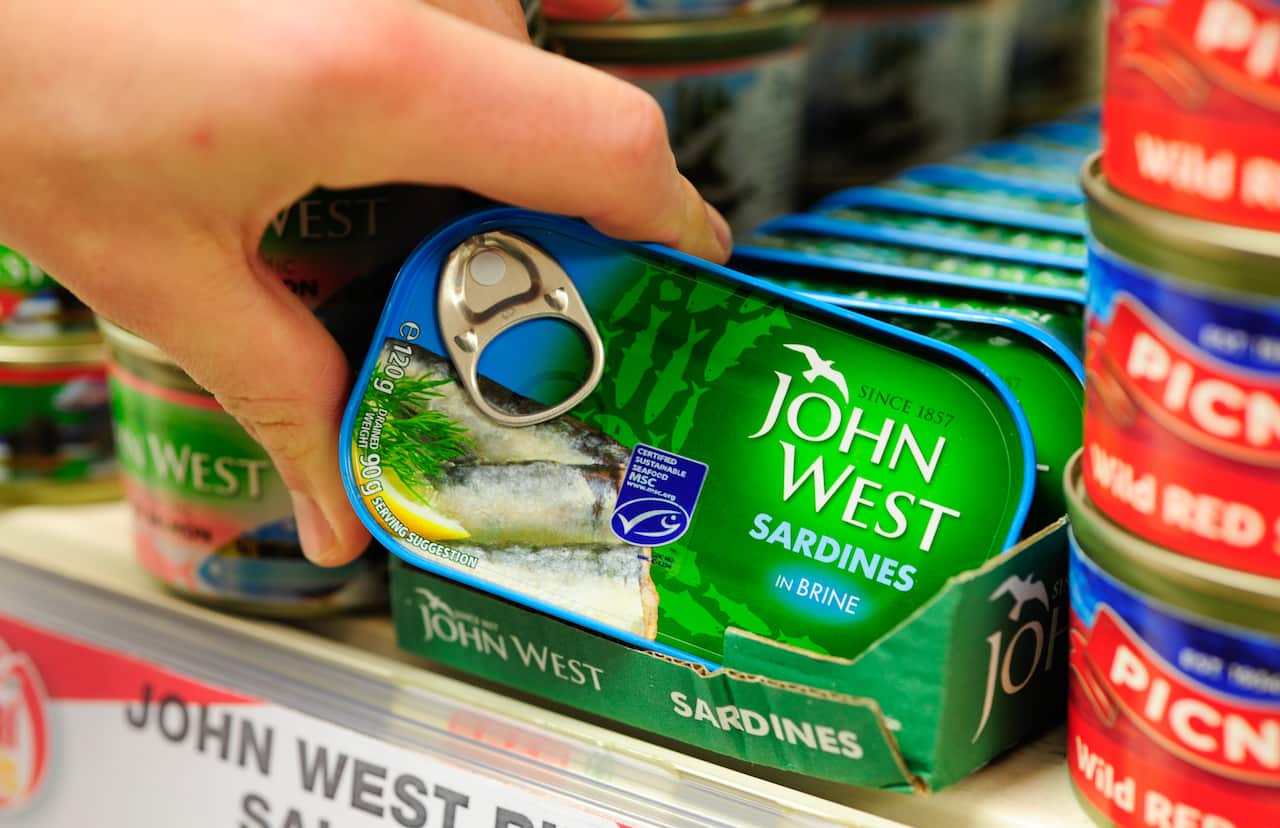
Walk down the canned fish aisle at your local supermarket right now, and there's a good chance you'll find a gap where the tinned sardines used to be, as a viral TikTok trend sends a wave of new fans in search of the small, oily fish.
The trend, dubbed "sardinemaxxing", has seen influencers push sardines as a beauty and wellness must-have, with some calling them "Botox on a fork" for their purported skin, hair, and anti-ageing benefits.
But experts say the trend raises real questions about where those sardines are coming from — and what happens if the hype spreads to other seafood.
Why groceries are going viral
Sardines are just the latest grocery item swept up in a social media-driven buying frenzy.
News that makes sense
Your trusted source for staying up-to-date with the world around you. Get free daily news updates and analysis, straight to your inbox.
Cottage cheese and Greek yoghurt both had their moment in the past year, part of a broader "proteinmaxxing" wave prizing high-protein foods.
Lisa Asher, a retail and supermarket expert at the University of Sydney Business School, said the pattern is driven by a mix of influencer culture and wellness trends.
"What bothers me isn't that the kids are eating sardines … it's that they're taking advice now from people who are probably not people you should be listening to," Asher said.
"It's a new form of advertising with a lot of unknowns — we don't really know who's paying who and how much they're making out of it. That is a problem.
"In magazines, we used to look at celebrities, but celebrities have been replaced by influencers."
She said the trends all follow a similar pattern: demand increases, the product goes out of stock, prices sometimes rise, and eventually, when the hype cools down, it comes back in stock.
"But this is a product that is made from fish in the sea," she adds. "We don't want to overfish because suddenly, then we have none."
The big catch
That's where the environmental risks come in.
Adrian Meder, sustainable seafood program manager at the Australian Marine Conservation Society, says history shows a sudden cultural appetite for a particular seafood can do serious damage — pointing to shark fin soup, sea cucumber and some tuna fisheries as species pushed towards collapse by surging demand.
"We've yet to see online popularity as a driver of major declines in our oceans, but a cultural surge in popularity of a seafood has time and time again decimated populations of species from tunas, to sharks, to abalone, to sea cucumbers," Meder told SBS News.
"Online popularity is clearly capable of producing massive changes in consumer demand."
There's also a traceability problem: much of the tinned sardines on Australian shelves is imported, and it can be difficult to know where a can came from or how sustainably it was caught.
Jonathan Smart, an affiliate senior research scientist at James Cook University, agrees that origin matters.
He co-authored a study, released last week, that found Australia ranked just 52nd in seafood production, despite having about eight million square kilometres of fishing waters.
"The fisheries that a lot of our imported seafood comes from are actually quite unsustainable — and Australia imports a lot of seafood when perhaps it shouldn't," Smart told SBS News.
"By importing so much seafood, we're essentially exporting our environmental footprint to other countries that don't have the same level of management that we do."
He worries a viral trend like this one could make that problem worse.
"If a trend like this is popping up and all of a sudden you've got greater consumption of a species, the fear I would have is that then is going to lead to, again, a greater surge in that imported seafood.
"We just don't know if that's going to have the same sustainability levels as if you were actually consuming something locally."
A resilient little fish
But of all the species to go viral, sardines might be one of the best placed to handle their 15 minutes of fame.
Smart says sardines are a fast-growing, short-lived species with rapid turnover, making them naturally resilient to heavy fishing.
Because changes in biomass are driven more by environmental conditions — like ocean upwellings — rather than fishing activity, sardine and anchovy fisheries are some of the biggest in the world, he said.
"They can actually provide a really, really big harvest from them normally under sustainable conditions, depending on the fishery that they're coming from."
Locally, there's also a genuine opportunity: Australia's biggest fishery is a sardine fishery in South Australia — a fact Smart says is little known because much of the catch goes to aquaculture feed.
"Very little of it actually goes to human consumption," he said. "That's why I often recommend to people that we should be eating more sardines because that is a really sustainable fishery.
"We catch a lot of fish from it, and there's a lot of opportunity."
Meder agrees that there's room for Australians to put more sardines on their plate.
"Some cultures, including many Australian communities, actually used to eat a lot more sardines than they do now," he said, pointing to a shift in seafood consumption to more environmentally vulnerable, less abundant, and expensive fish species — of which trends like these could help reverse.
But that only holds if the sardines on the shelf are actually Australian — which means consumers may need to check labels and do a bit of Googling before putting them in their shopping basket.
So while sardines may be getting the limelight for just a brief period before scrollers move on to the next trend, if there's anything we can take from it, it's that the humble little sardine is actually built for this moment.
For the latest from SBS News, download our app and subscribe to our newsletter.







