

Carly Stewart's seven-year-old son has cerebral palsy. Lachlan needs to see a range of specialists, and is frustrated by the limited interaction between them.
"Part of the nature of the hospital environment is that it's fairly reactive," she says. "It's very frustrating for us. We understand they have time limitations. But if we actually had a team of specialists that were working together for Lachlan, we would have better outcomes for him."
Carly says she works really hard to be proactive for her son, to deal with his health issues as they're happening or to prepare for issues they know are going to be arising.
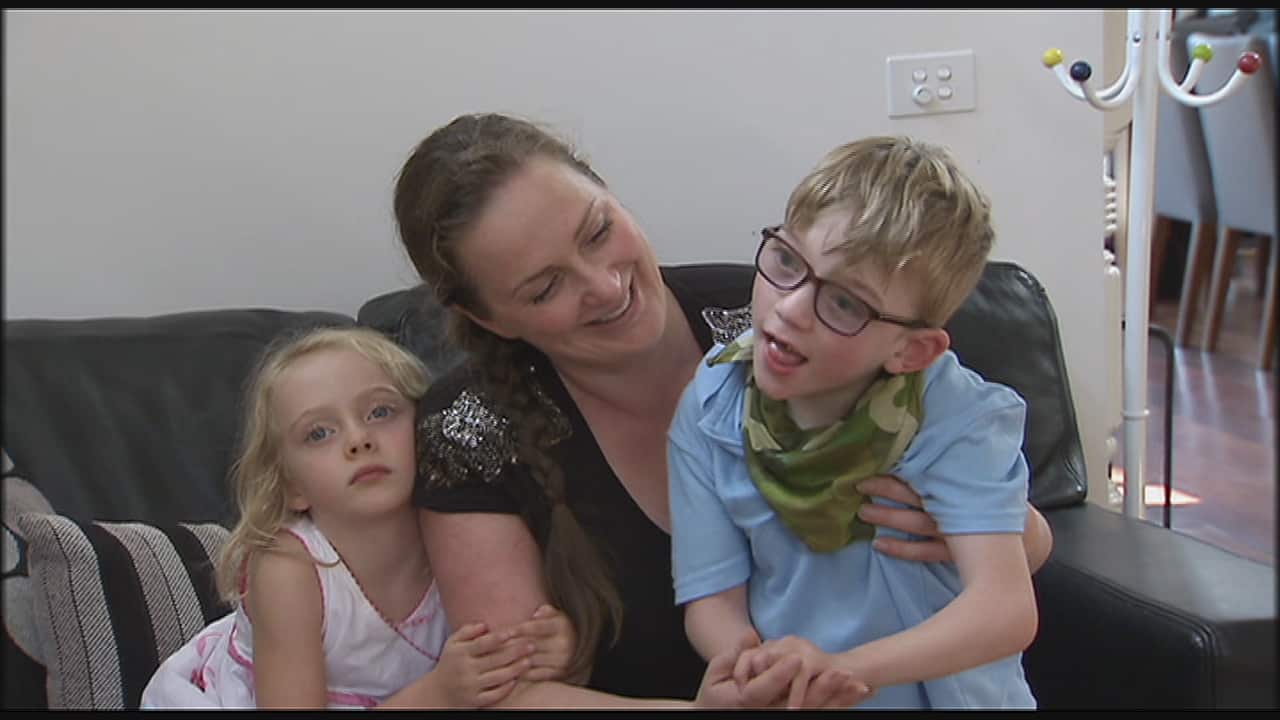
Through her coordination, she has been able to help provide suggestions to doctors to ensure Lachlan not only gets the care he needs, but it is done efficiently.
"He needs an anaesthetic for lots of things that people wouldn't usually like need so we always look for opportunities if he needs one to coordinate care ... We've certainly had instances where orthopaedic surgeons working in the same room as dentists and with ophthalmologists."
"Lachlan was scheduled into have botox and he needed to go under anaesthetic for that, we'd been waiting for a while to try and get a dental plate for him so we coordinated for the dental team for him to come up while he was having his leg surgery to take a dental mould. That worked really well for him."
Integrating different types of surgery is just one way money could be saved, as well as cutting down on duplicate tests.
Melbourne oncologist Dr Ranjana Srivastava says sometimes "it is a matter of efficiency" and simply easier for doctors to order another test, rather than spend time on the phone chasing up a patients' results.
"Duplicate testing is a big problem in medicine and I think it happens due to a few reasons. First of all when doctors work in silos it's quite easy to order a set of tests without knowing what else the patient has had."
"The other thing is we don't have an integrated system whereby it is easier to find out what investigation someone else has done. And the third thing I would say is that patients are not necessarily aware of either blood tests, radiology or interventions that have happened to them, so a patient who may not have the details, a doctor who is unable to access those details, and doctors not necessarily working in a team environment are some of the reasons why tests are duplicated."
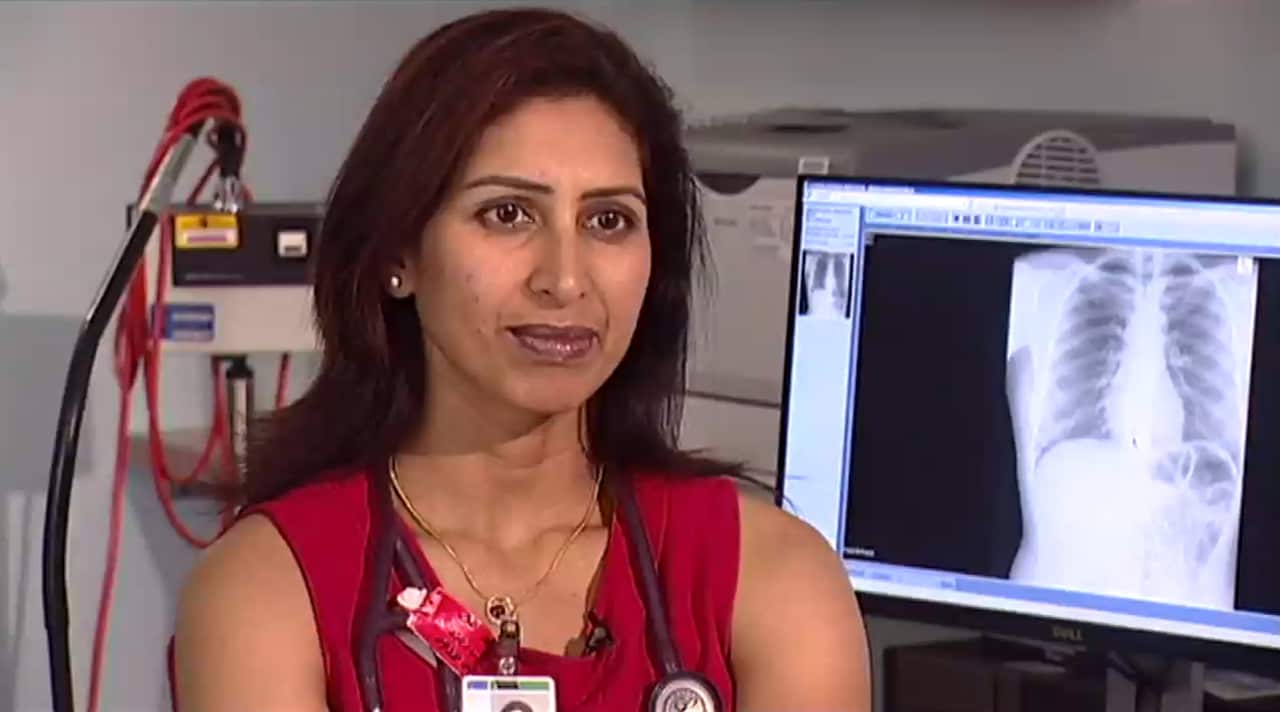
Dr Srivastava estimates around five per cent of health funding is estimated to be lost each year through this.
"The cost of the interventions, and the cost of medical care is a very significant factor, but i think to be honest it's probably not something that people think about on a day-to-day basis. And that's because the ordering physician doesn't have to reckon with the cost of ordering that test necessarily, patients who are bulk billing will also not pay for those tests, and there is usually no insurance company who queries the nature or need for these tests, so these are some of the reasons I think costs escalate."
"Five per cent of health funding is estimated to be lost each year through duplicate tests. C-T scans or bloods tests for example, ordered because a specialist doesn't know a GP has already requested them. And patients not recalling what they've had," Dr Srivastava said.
Last year Medicare turned 30. This means that for over a quarter of a century, Australians have had access to free public hospital treatments, subsidised drug and medical services and bulk billing for visits to their GP.
According to the Productivity Commission's Report, the Federal Government's spending on health care was around $30.2 billion in 2012-2013, and this is set to rise from 4 per cent of GDP to 7 per cent by 2059.
Australia's universal health care system has been the envy of many first and developed nations but how sustainable is the current system and what changes should there be?
is there a more cost efficient way to improve care and manage the increasing cost of health care?
Insight brings together patients, carers, health professionals, and economists, to discuss the challenges in reforming healthcare and how to make the health dollar go further.
As the government warns of unsustainable spending, we ask: how efficient could our health system be? What do we want from our health care system?