
A deadly mystery virus affecting hundreds of Queensland babies has doctors baffled.
Since September last year around 815 babies were tested from which 227 have been found positive for the parechovirus.
There is no specific treatment for the little recognised parechovirus, which is highly contagious and potentially fatal.
“Ninety per cent of the positive cases are children of three months old or younger,” said Dr Sloots. He knows of two deaths from the virus in this recent outbreak.
Dr Theo Sloots, infectious diseases expert at the Lady Cilento Children’s Hospital, says parents and even GPs often don’t recognise the virus because the symptoms are common among young children.
News that makes sense
Your trusted source for staying up-to-date with the world around you. Get free daily news updates and analysis, straight to your inbox.
The virus affects the child’s respiratory and gastrointestinal functions. A temperature, lethargy, diarrhoea, loss of appetite, coughing and a rash are some of the symptoms found in victims. “A lot of GPs are not aware of the virus yet and so they don’t identify it. Only when the conditions become worse is when parents take their kids to the hospital. At least now we have the means for testing for the virus at the hospital so we can get a quick diagnoses,” Dr Sloots says.
The virus is spread by direct contact with nose and throat discharges. The best way to prevent the infection is to keep your child away from other babies that show symptoms and maintaining a strict hygiene.
Even GPs often don’t recognise the virus
The virus has moved from Brisbane to the Gold Coast, Toowoomba and more recently in smaller towns such as Bundaberg, Townsville and Mackay. The chance of the virus remaining undetected is higher in in these smaller towns, says Dr Sloots. “If it goes unrecognised and it develops in central nervous system disease, then it is quite dangerous.”
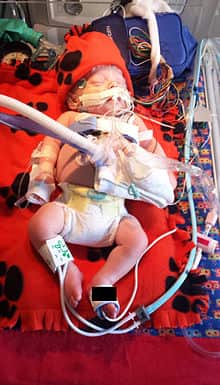
The parechovirus was first discovered in Queensland in 2013. “Nobody knew the virus so there was no way of testing for it,” says Dr Sloots. His research team at his QCMRI Paediatric Infectious Diseases Laboratory, funded by the Children’s Hospital Foundation, was able to identify the virus which he says is imperative. “The main issue is that the infection needs to be identified quickly, because then they can manage it appropriately in the intensive care unit.”
It is a cyclical virus which appears to come back every couple of years. “It seems to occur mainly in Spring and Summer,” he says.
Dr Sloots says that in an ideal situation they would to create a vaccine, but that is a long way off. “Vaccine development is very costly and definitely beyond the budget of my laboratory. And because it is so new, we don’t know enough yet about the basic structure of the virus.”







