Scientists have discovered bacteria that could be used as a potential alternative to antibiotics.
The researchers, from Lund University in Sweden, identified a group of 13 bacterias with the ability to fight pathogens.
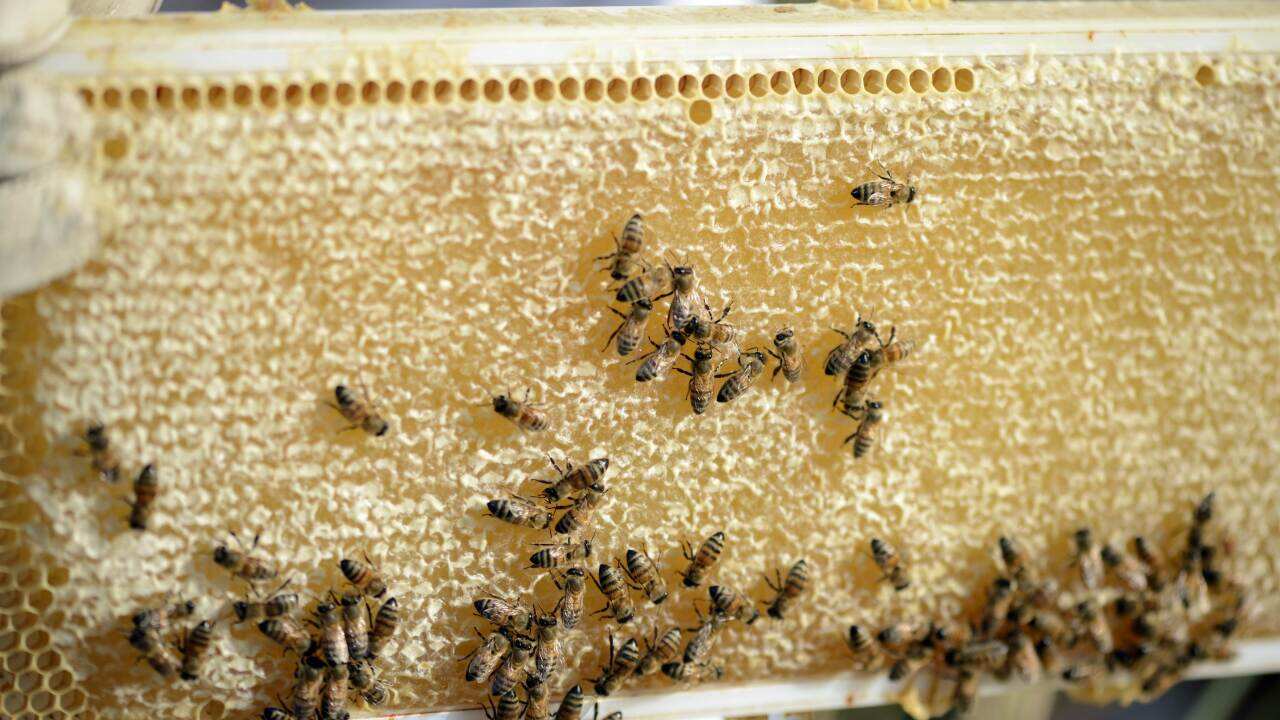
The 13 lactic acid bacterias are found in the stomach of bees and in fresh honey. It's processed out of most store-bought honey.
Together, the group of live bacteria produce a number of active microbial compounds, such as hydrogen peroxide, fatty acids and anaesthetics, that can kill other harmful bacteria.
The team tested the bee bacteria in the lab against pathogen strains that cause serious infections in humans, including methicillin-resistant Staphylococcus aureus (MRSA), which can lead to fatal staph infections.
The bacteria counteracted all of them.
"We've got some agents we can use against these bugs that cause nasty infections but unfortunately we're running out, our arsenal is getting more and more depleted because possibly because of the overuse of antibiotics.."
Dr Shona Blair, Microbiologist and CEO of the Wheen Bee Foundation said.
"Antibiotics are mostly one active substance, effective against only a narrow spectrum of bacteria," researcher Tobias Olofsson said in a statement.
"When used alive, these 13 lactic acid bacteria produce the right kind of antimicrobial compounds as needed, depending on the threat. It seems to have worked well for millions of years of protecting bees' health and honey against other harmful microorganisms."
The scientists also tested the bacteria, mixed with honey, on horses who had wounds that had been resistant to other treatment.
After using the honey/bee bacteria substance, all of the wounds healed up.
Antibiotic resistance is an increasingly serious problem in the western world. In April this year, the World Health Organisation declared it a major threat to public health.
The results have been published in the International Wound Journal.
Share


