IN BRIEF
- The senator has backed calls made by Indigenous leaders at Garma Festival.
- Thorpe initially pushed for the antisemitism royal commission to also examine racism against First Nations people.
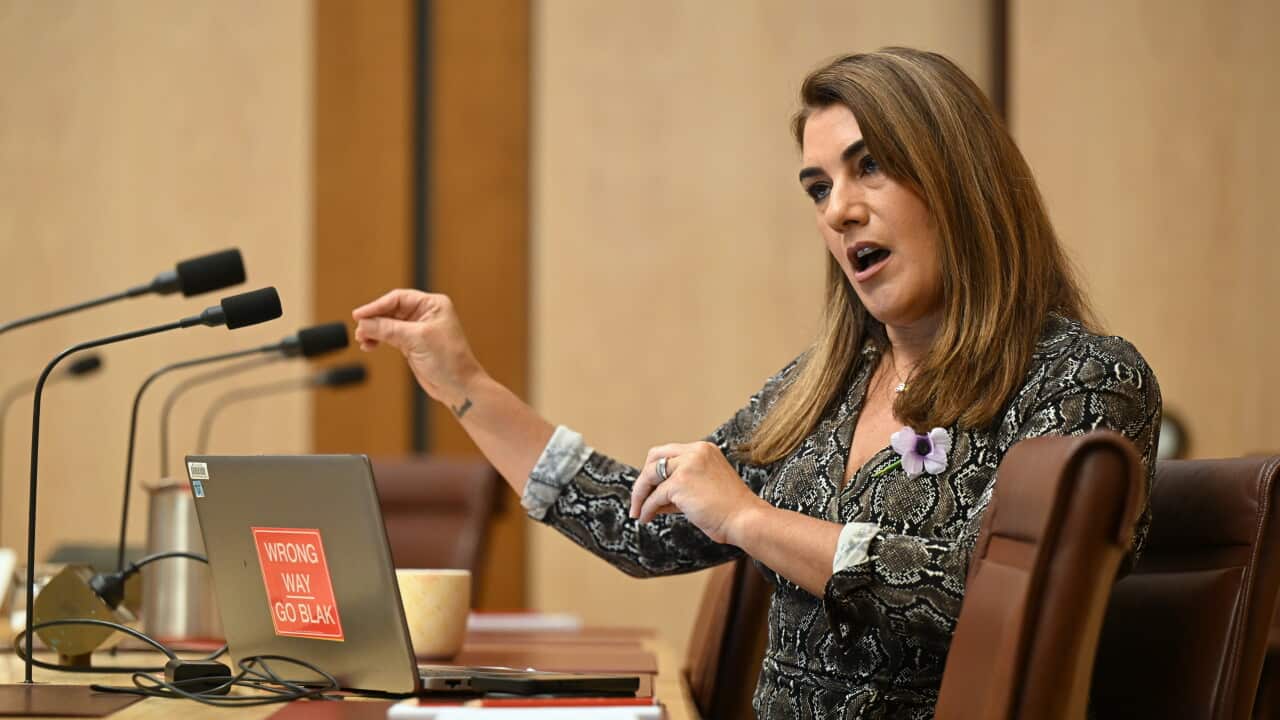
Indigenous senator Lidia Thorpe has warned racism is "like a cancer", as she joins lobbying efforts to hold a national royal commission into how it impacts Aboriginal and Torres Strait Islander peoples.
Influential Northern Land Council chairman Matthew Ryan also pushed for the issue to be elevated to the highest level of national inquiry, after giving evidence to a parliamentary committee investigating racism, hate and violence towards Aboriginal and Torres Strait Islander People.
He told the Labor-led inquiry the Northern Territory Country Liberal Party (CLP) government's child removal policy, Indigenous over-representation in prison and the suicide rate equated to "modern day slavery".
At the Garma Festival in North East Arnhem Land last weekend, he told reporters the parliamentary inquiry had exposed systemic racism.
"This should be a royal commission. We continue to drag our feet," he said.
News that makes sense
Your trusted source for staying up-to-date with the world around you. Get free daily news updates and analysis, straight to your inbox.
“For a long time we were not heard; we want to be heard.
"We must eliminate systemic racism. It's real."
Foreign Minister Penny Wong, Indigenous Australians Minister Malarndirri McCarthy, her Opposition counterpart Julian Leeser, and the Northern Territory Chief Minister Lia Finocchiaro all addressed the Garma forums.
But Ryan would have liked to see more open discussion and concession from politicians about the impact of racism.
"That's the fundamental issue, as we speak, that's holding back our people in terms of expanding job opportunity, business opportunity.
"I see racism as playing a big role in undermining my people," he said.
"It's about truth telling, and that's right across all Australians."
Thorpe is a member of the parliamentary committee that's been conducting the hearings to collect testimony from First Nations people across the country about their experience of racism.
"We need to highlight racism as a real problem for everyone in this country, not just for Aboriginal people, but for non-Aboriginal people," she said.
"Like, do you want to be proud of being in a racist country, and standing by while people are being racially vilified and harmed?
"Racism kills. Racism makes people sick. Racism is like a cancer, and if you subscribe to that, then you've got a problem, and you need to have a look at that problem in detail ... a royal commission will certainly expose that."
Thorpe had initially called for the terms of reference for the existing royal commission investigating antisemitism and social cohesion to be broadened to include racism against First Nations Australians.
"The government weren't interested. They just wanted to focus on antisemitism. There's racism against black and brown people in this country that's actually killing us."
"Our people have poured their hearts and souls out. They've been retraumatized, telling their stories again and again," she said.
Her biggest concern is that the parliamentary inquiry will touch on the key issues, but end with a report and recommendations that aren't implemented.
"It has no teeth," she said.
"We've got to beg for basic human rights, even with a federal Labor government, and it's very, very disappointing.
"A royal commission will bring more scrutiny. It'll have more power, and it can hold everyone to account."
Independent Northern Territory member for Mulka, Mark Yingiya Guyula, used his Garma speech to accuse the territory's CLP government of using its political numbers in the unicameral parliament to pass "incredibly damaging" laws that he says are "steps on the path to killing our people and culture".
The Djambarrpuyŋu man took aim at government policies including changes to bail laws and youth justice reforms.
"Even though I have been sent by my people to be their voice and fix these problems, each time the CLP passes these laws, they take part in a slow genocide of our people," he said.
"Each law is another step on the path to killing our people and culture.
"We want community-led solutions, but they say, 'No, we know what is best for you.'
"Nothing has been done to empower our people or respect our self-determination."
The Northern Territory government has been approached for a response.
Finocchiaro has previously said the child protection policies she passed through parliament are designed to protect the rights of the child first.
For the latest from SBS News, download our app and subscribe to our newsletter.







