

The new laws would create 84 marine park zones from October 1, covering a total of 2.6 million square kilometres - or about 44 per cent - of the state's marine waters. Approximately 6 per cent of this area is set to be fully protected as marine sanctuary zones.
The state opposition has introduced legislation to cut protections in 12 of those marine sanctuaries, arguing that the sanctuaries will jeopardise lobster and abalone exports and adversely affect other commercial and recreational fishing.
The final decision rests with two independent MPs, Martin Hamilton–Smith and Geoff Brock, who will decide the fate of the Bill on September 18.
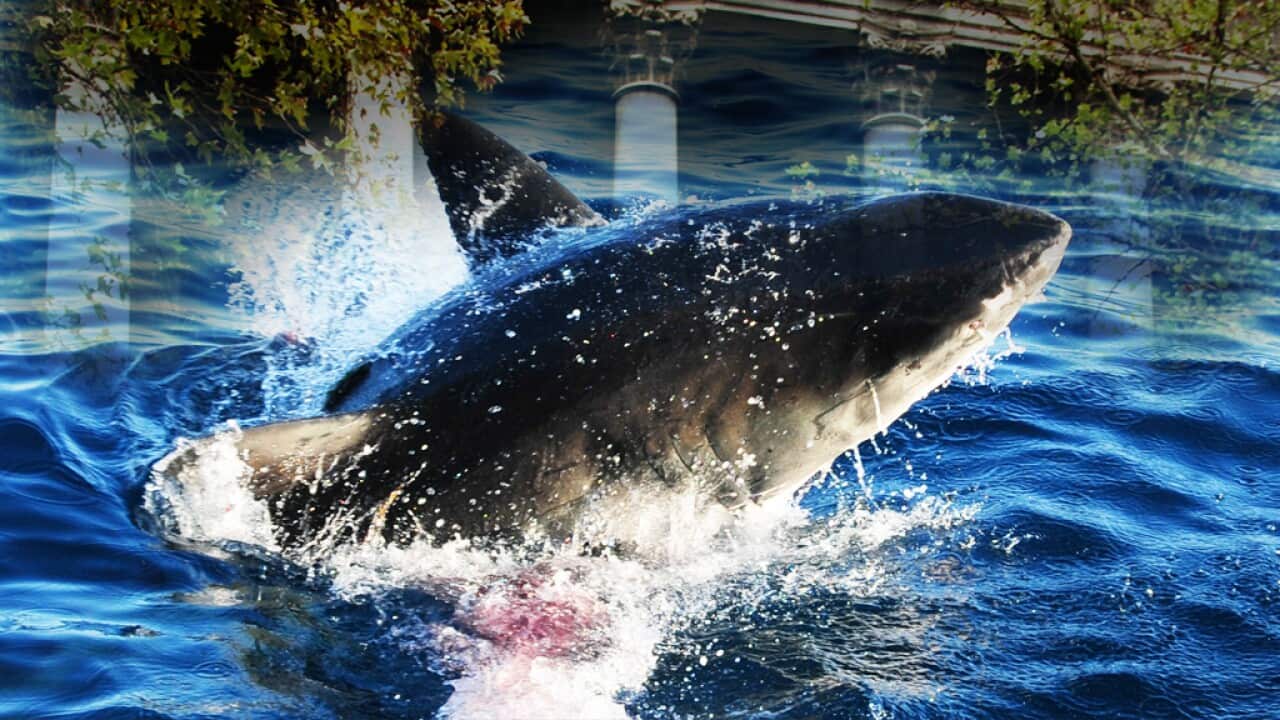
At stake is the balance between the livelihoods of commercial fishers and the protection of habitats vital to iconic species like the Great White shark.
BLOG: SEEING SHARKS IN THEIR ELEMENT TRULY 'AWESOME'
News that makes sense
Your trusted source for staying up-to-date with the world around you. Get free daily news updates and analysis, straight to your inbox.
The fishers
Some commercial and recreational fishers believe the legislation is based on flawed science and will lock up too much of the state’s waters, including prime fishing grounds responsible for premium produce like lobster and abalone which are significant contributors to the states seafood exports.
Andrew Ferguson, who has been in the lobster trade for 40 years, told SBS that “the legislation goes too far.”
“Eighty-four no-take zones is devastating for the fishing industry. They say it’s only six per cent of waters but forget to tell you it is 30 per cent of sustainable fisheries grounds.”
Mr Ferguson says the process has lacked proper scientific analysis and doesn’t understand fisheries management.
“If we’re shut out of zones and forced to consolidate fishing into too smaller areas, it will collapse fisheries and cost businesses and jobs.”
Marine park plan will collapse fisheries: lobster trader Andrew Ferguson
Tuna baron Hagen Stehr goes further, saying the protections will cause imbalance and allow species like sharks, seals and sea lions to dominate, damaging the diversity the parks seek to protect.
"sometime in the future there will be culling of sharks, because we will have other shark attacks"
He tells his fishing crews to take whatever action is necessary to protect themselves should they encounter a shark, and thinks Western Australia has the right idea with culling.
“I believe there will be some culling, sometime in the future there will be culling of sharks, because we will have other shark attacks.”
The politics
Both men advocate scrapping the Marine Park laws. The state opposition’s environment spokeswoman, Michelle Lensink, shares their concerns and has proposed an alternative, which would see protections rolled back in 12 of the zones to allow fishing to take place.
“In my term in parliament this is the worst process I have ever seen. The government’s consultation was a farce, they simply came in and told the community that these are zones, and they can’t change. They’ve ridden roughshod over other views; it’s been an unconscionable process and delivered the worst sort of outcome, and is not good conservation.”
Not so, says Environment Minister Ian Hunter, who insists that there have been exhaustive consultations over a decade to deliver laws that balance fishing and protection with economic modelling that indicates the Parks will have cost the export industry just 1.7 per cent.
Mr Hunter says the Opposition’s roll back has been proposed without consultation or scientific basis and will strip out key protections, placing 69 per cent of sanctuary zones at risk.
"They’re actually going after the best, the hottest biodiversity spots out of all the marine park system."
“These are the jewels in the crown. Whilst they say they’re only reducing it by 12, they’re actually going after the best, the hottest biodiversity spots out of all the marine park system. They’re attacking areas that are crucial for protection of endangered species and also spawning grounds, breeding grounds for recreational fish.”
The science
Marine Biologist Andrew Fox is one of Australia’s foremost shark researchers and runs a dive company named after his father Rodney, Australia’s most famous shark attack survivor who has turned shark preservation into a cause celebre.
He’s concerned that rolling back protections for regions like the Neptune Islands will put one of the ocean’s apex predators, Great White sharks, at risk.
“There is no doubt some users do interfere with the sharks. They do also catch big reef fish, and we’re concerned with more and more people coming out [to sea] to protect that fragile environment. Some are benign, but other users have an impact.”
'It may be the end of the big sharks': shark attack survivor Rodney Fox concerned over move to wind back protections
The threat to sharks from the rolling back of marine protections and concerns that South Australia is facing pressure to carbon copy WA's cull prompted hundreds to attend an anti-shark culling rally in Adelaide at the weekend.
Mr Fox says scientists worldwide recognise South Australia's importance as a global shark hotspot and support protections.
“We like to look at Neptune islands as an iconic spot for Great White sharks. They are a major [shark] aggregation site ... We think it’s firstly got to do with the big recovery of seals to the area – it’s Australia’s largest concentration of fur seals, it’s also on a special depth isocline that the sharks tend to track around the continental shelf.
"There is no doubt some users do interfere with the sharks"
“It’s the entrance to the gulfs of South Australia where fish influx in and out [and] in the winter the whales come up to this area and breed, so it’s kind of a meeting point and mixing ground and that may be why we get different sex segregation and size populations of white sharks mixing it together at the same time.”
Mr Fox knows many of the sharks around the Neptune Islands by name and even personality, and hopes people will think beyond the short term impacts of Marine Parks to consider the long term benefits.
“There’s going to always be people unhappy about the balance of protected waters and where they want to go fishing. Data shows the government has bought out enough fishing licences. While some individuals will be affected adversely, the information I’ve been given does show the balance is in proportion.”
He thinks the Marine Parks laws are a once in a generation opportunity that must not be squandered – and that once fragile ecosystems are lost they’re almost impossible to recover. “A lot of thought has gone into the Marine Parks. It’s been an exhaustive process to determine. After all of that, we’ve got to trust the science.”