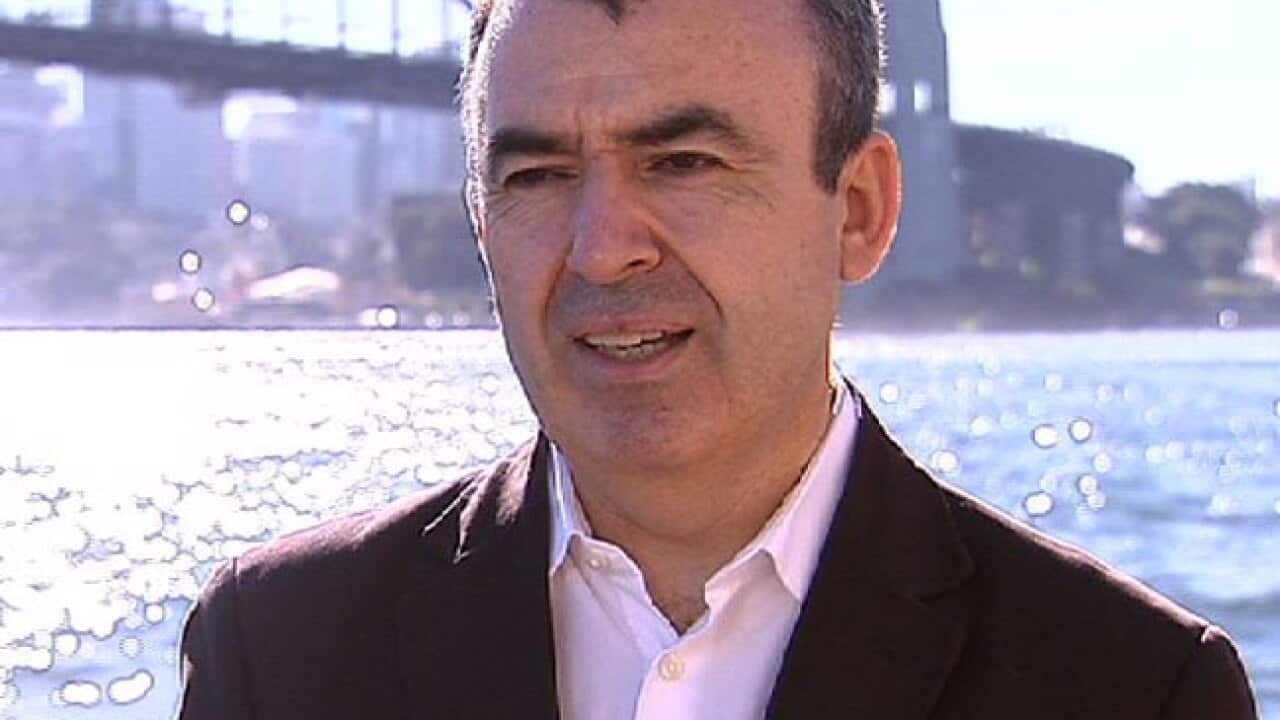
As Spain's unemployment dropped for the fourth consecutive month, author and commentator Lorenzo Silva says the Spanish economy is stronger than commonly thought.
"Spain is still a big country with lots of well-educated people, with lots of capable professionals, with a number of well internationalised and well managed companies.
News that makes sense
Your trusted source for staying up-to-date with the world around you. Get free daily news updates and analysis, straight to your inbox.
"Obviously we are in financial restraints and obviously we have six million unemployed people. But let's notice that Spain has not collapsed and some other European countries have," he told SBS.
"The Spanish economy has some strengths; some strengths that perhaps you can't find in other countries. We are not as weak as we are sometimes seen from the outside, and even as weak as we sometimes see ourselves.”
This week, Spain's Labour Ministry announced the number of people registered as unemployed dropped for a fourth consecutive month in June with the total falling by 127,248 as the summer tourist season generated more jobs.
The total number of people registered as jobless now stands at 4.76 million, bringing cheer for a country stuck in recession and suffering a 27.2 per cent unemployment rate.
Lorenza Silva says Spain's Prime Minister Mariano Rajoy has achieved many good things for the country, like downsizing the public administration; however, he believes Mr Rajoy could do more.
"Some of his [PM Rajoy] reforms are not brave enough. He is correcting the things that are easy to correct and perhaps other things and other problems... are not being solved deeply and as quickly as required."
Mr Silva sees opportunities for more business co-operation involving Australia and highly skilled Spaniards.
"I used to work for the energy sector in Spain, and I was able to see that Australian coal was bought in order to replace Spanish coal."
Spain's conservative government claims its austerity measures and reforms of the past two years are starting to work and the Spain should emerge from recession in the coming months.
EARLIER: PORTUGAL'S FINANCE MINISTER RESIGNS
Portugal's Finance Minister, and the architect of the country's $110 billion international bailout resigned.
It's the latest sign of the pressures on European governments - faced with reeling economies and social discontent, amid austerity measures, Rena Sarumpaet reports.







