
The first of ten new Spartan C-27J planes has touched down at Richmond Airbase near Sydney, a long awaited replacement for the Vietnam-era Caribou which was withdrawn from service in 2009.
The Australian Air Force is hoping will have more range in the region with the arrival of the new plane, which has been called the little brother to the Hercules, because it can land at more airfields and go to more remote areas.
Chief of Air Force, Air Marshal Geoff Brown, said the plane is a work horse in responding to humanitarian disasters.
“It can get into some very small airfields," he said. "In the situation we had in Vanuatu, it would have been extremely valuable there.”
With a cost to the tax payer of $1.4 billion for the fleet of 10 planes and equipment, the relatively small Spartan (think a dumpy C-130 Hercules with two engines instead of four) is capable of accessing 1900 airfields in Australia, and 400 in the region - more than double the amount now accessible by the larger Hercules.
Randolph Jachimowicz has been in the Royal Australian Air Force for 36 years and believes the plane will be invaluable.
“If you look back at the hurricane in the Philippines, I was up there operating on the C-130 Hercules, whereas if we had this aircraft we could have gone into a lot more areas," he said.
"In that situation, because of the devastation many of the airfields, they might have a 7000 foot runway but debris and rubbish might only leave 5000.”
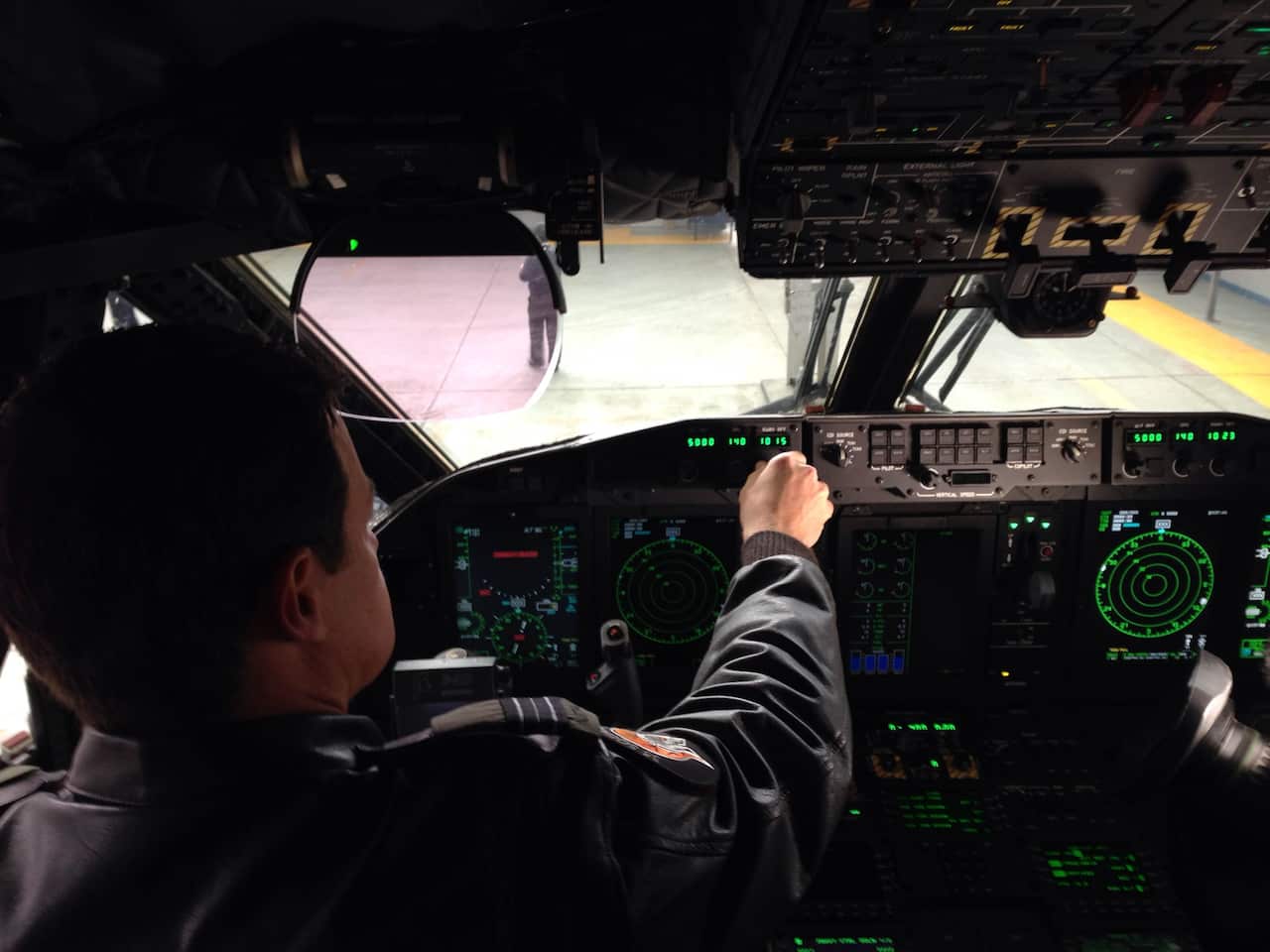
The C-27 Spartan is designed to transport cargo, support military units, perform electronic surveillance, as well as fire fighting and search-and-rescue operations.
The plane also comes with a missile warning system, secure communications and ballistic protection. It can also climb steeply and reach safer altitudes quickly, as well as perform tactical manoeuvres at speed.
Pilot Wayne Baylis says the plane it excels in crisis situations.
“It is very good at humanitarian assistance and disaster relief," he said.
"I can see that that is probably the primary aim of what we are going to be doing, supporting either troops or community in those disaster relief operations.”
The RAAF hopes it won't just carry people, supplies and equipment, it will carry hope.
With AAP





