
(Transcript from World News Radio)
SBS's new documentary series has premiered to strong audience numbers - the largest for the public broadcaster for at least 15 years.
That's despite criticism of SBS and the program's producer Keo Films about the portrayal of the characters before the show even aired.
Santilla Chingaipe has more.
"(music) Sparkling Sydney harbour ... gateway to a sun bronzed Aussie lifestyle .. Mount Druitt - It's also Sydney. Just not the one in the tourist brochures (fade under narration) ...
That's part of the opening scene from the controversial SBS program, Struggle Street.
The three-part series documents life in the western Sydney suburb of Mount Druitt.
The broadcaster says the show gives a voice to those doing it tough right on the doorstep of Australia's most affluent cities.
Prior to the screening of the first episode, SBS was criticised by some people featured in the show.
They claimed they had been unfairly represented.
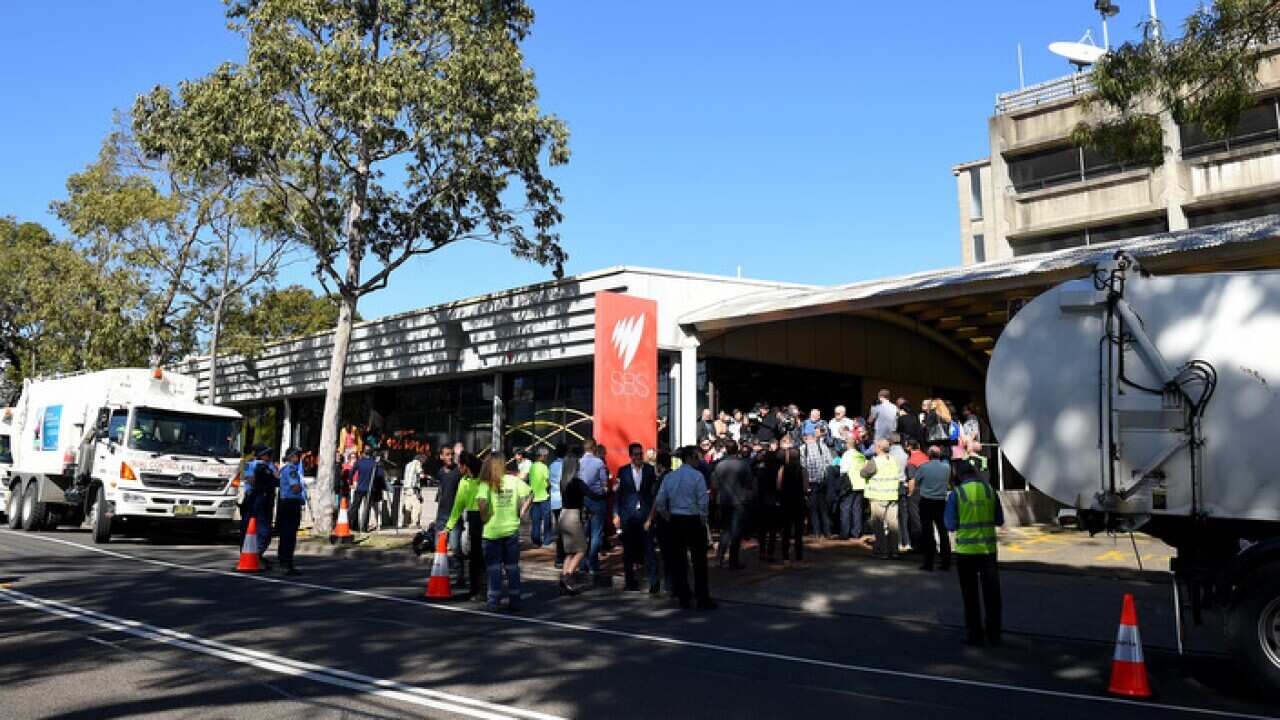
The publicity also prompted residents to organise a protest outside SBS' Sydney headquarters, in a bid to halt the airing of the program.
Stephen Bali is the Mayor of Blacktown, which covers Mount Druitt.
Mr Bali had seen the first episode before it aired publicly and criticised what he called the producers' unethical approach in making the series.
"These people that appeared in it were unethically represented from what was supposed to happen. A documentary is an analysis. This is more a trashy reality TV program. If this is what the new documentaries are, where you follow people a day in their life and pick out the worst aspects of their life, then fine do that. But no-one was paid to be part of the show. They were all informed that it would be a positive outlook and in the end it they got trashed."
Part of the criticism levelled at the broadcaster involved a scene in the trailer for the program which showed a man who appears on the show pass wind loudly.
SBS Managing Director Michael Ebeid concedes that in hindsight, it shouldn't have been included.
"100 percent, the flatulence scene should not have been there. In fact it was never meant to be there. It was an accident that it ended up being in there in terms of the file tape that went out. Once we saw that, we pulled it immediately, we pulled the promo - but unfortunately the damage had been done."
But Mr Ebeid has defended the broadcaster's decision to go ahead with the screening amidst the negative publicity.
He says it's a story that needs to be told.
"There are so many difficult issues in some of these societies, where there is a lot of poverty, teenage pregnancy, drug abuse, chronic long term unemployment, family violence - these are issues that some of these communities are dealing with every single day. And if we as a public broadcaster don't hold up a mirror and reflect society so that we can actually improve society- no other network could make this program. And that's why it was a really important thing for SBS to do. It was very disappointing that people did judge and react so inappropraitely before they even had time to see it."
The first episode aired on Wednesday night to strong viewer ratings - making it SBS' highest-rating locally-made show for years.
It's received mixed reviews from viewers.
These are some of the callers who rang the ABC to comment.
"I expected it to be unfairly edited and biased and maybe making fun of some people, but I really don't think that is what came across. I thought it was fair sort of edit. And I see it as a positive thing where it is actually showing people on the fringe - as the program did point out actually live on a day-to-day basis...I think it such an eye opener when you think that this is so normalised for some families and how they manage is amazing. But I also found it pretty sad and provocative with some of the scenes that were in it."
Many people also commented on social media, with Nielsen's new Twitter TV Ratings finding 98-thousand people had been reading tweets about the show.
Federal Social Services Minister Scott Morrison also tuned in to the program.
"My wife and I we watched it and with these sorts of programs, there are the great risks of stereotyping parts of the community. I'm from the (Sutherland) Shire (Sydney's south west) and Channel Ten had a crack at us a number of years ago, which we didn't particularly welcome and the fact that most of them didn't even live in the Shire I think just sort of showed the credibility of those sorts of things. We all come from different parts of the country, Australia's the best part of the world to live whichever part you live in, whether it's Mount Druitt, the Shire or Kununurra or anywhere else and so I think it's unfortunate that parts of Australia can be stereotyped in those ways. That said, I thought there were some very real issues that were canvassed in that program. The sorts of issues as the Minister for Social Services, we deal with every day. It just highlights why you need to do things which helps people get out of the cycle of welfare and get into the cycle of work."
SBS Managing Director Michael Ebeid says he's thrilled that many Australians watched the show.
"We're absolutely delighted that 1.9 million Australians tuned in to watch a part of Struggle Street. We had an average audience throughout the entire show of 1.3 million people nationally watched the show. So that's extrodinarily high numbers for SBS and we're absolutely thrilled."
The next episode of Struggle Street airs next Wednesday night at 8:30 on SBS One.





