

A drug-resistant "super bacteria" normally found in hospitals and notoriously difficult to treat has been discovered in the waters where Rio de Janeiro's Olympic sailing events will be held.
The Instituto Oswaldo Cruz, Brazil's most respected health research institute, said it has discovered bacteria that produce an enzyme that make it resistant to most forms of treatment in water samples taken from various spots along the Carioca River.
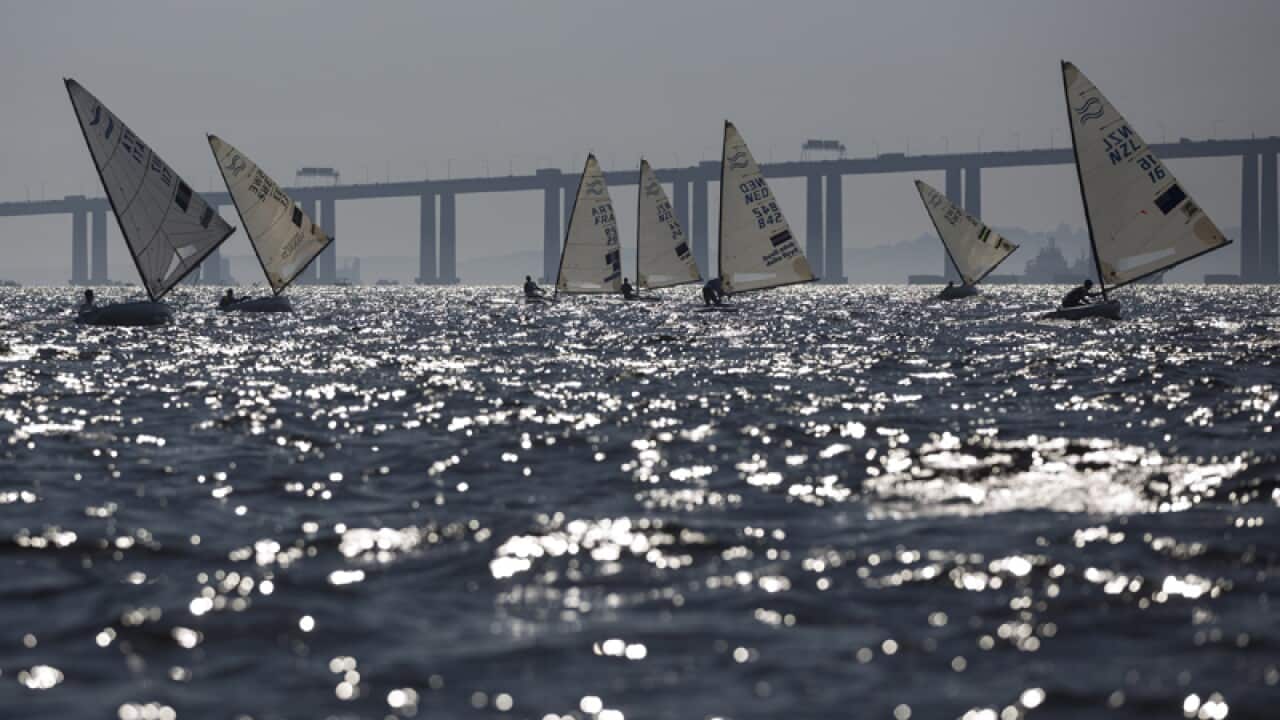
Among the spots is where the river flows into the city's Guanabara Bay, site of the 2016 sailing and wind surfing events.
Bacteria with the so-called KPC enzyme are difficult to treat.
The institute said no instances of infection resulting from the contaminated water have yet been detected but warned of possible danger to swimmers.
"The illnesses caused by these microorganisms are the same as those caused by common bacteria, but they require stronger antibiotics and, sometimes, can require hospitalisation," the study's coordinator, Ana Paula D'Alincourt Carvalho Assef, said.
"Since the super bacteria are resistant to the most modern medications, doctors need to rely on drugs that are rarely used because they are toxic to the organism."
Even if they don't immediately fall ill, those who come into contact with the bacteria run the risk of becoming carriers of the microorganism, the institute said in its statement.
"Carriers can take these resistant bacteria back to their own environments and to other people, resulting in a cycle of dissemination," said the institute, which is affiliated with Brazil's Health Ministry.
With some 70 per cent of sewage in this city of 12 million going untreated - and flowing, raw, into rivers, onto beaches and into the Guanabara Bay - the state of water quality has been a major worry ahead of the 2016 summer games.
In their Olympic bid, organisers pledged to slash by 80 per cent the amount of sewage and garbage that's pumped into the bay daily, but critics insist little has been done.
Organisers of the Rio games declined to comment, saying they would have to look into the findings before responding.