Key Points
- Pakistan has struck the Afghan capital, Kabul, and the city of Kandahar, where Taliban leaders are based.
- That followed Afghan drone strikes on Pakistani military positions.
Afghanistan's Taliban rulers said on Friday they were willing to negotiate after Pakistan bombed their forces in major cities amid an allies-turned-foes "open war".
Pakistan struck the Afghan capital, Kabul, the city of Kandahar, where Taliban leaders are based, and other towns, according to a Taliban spokesperson.
The attacks were its first directly targeting Afghanistan's government over allegations it harbours militants seeking to overthrow the Islamabad government.
Taliban spokesman Zabihullah Mujahid said there were civilian casualties on Friday but did not provide details.
In Kabul, thick plumes of black smoke rose from two sites, and a huge blaze was also visible in a video verified by Reuters. Reuters witnesses said many ambulance sirens could be heard following loud blasts and the sound of jets on Friday.
News that makes sense
Your trusted source for staying up-to-date with the world around you. Get free daily news updates and analysis, straight to your inbox.
'Resolve matter through dialogue'
Kabul taxi driver Tamim said an ammunition depot was hit and explosions continued inside after the strikes as stored ordnance ignited.
"The plane came and dropped two bombs, then flew away again. After that, we heard explosions," said Tamim, who was asleep when the strikes hit. "Everyone, in panic, ran down from the second floor of the house."
Security sources in Pakistan said the strikes involved air-to-ground missile attacks on Taliban military offices and posts in response to Afghan attacks on Thursday.
The latest violence erupted after Pakistan's airstrikes on Afghan territory last weekend triggered Afghan retaliatory attacks along the border on Thursday, escalating long‑simmering tensions over Pakistan’s claim that Afghanistan shelters Pakistani Taliban militants.
Afghanistan denies this.
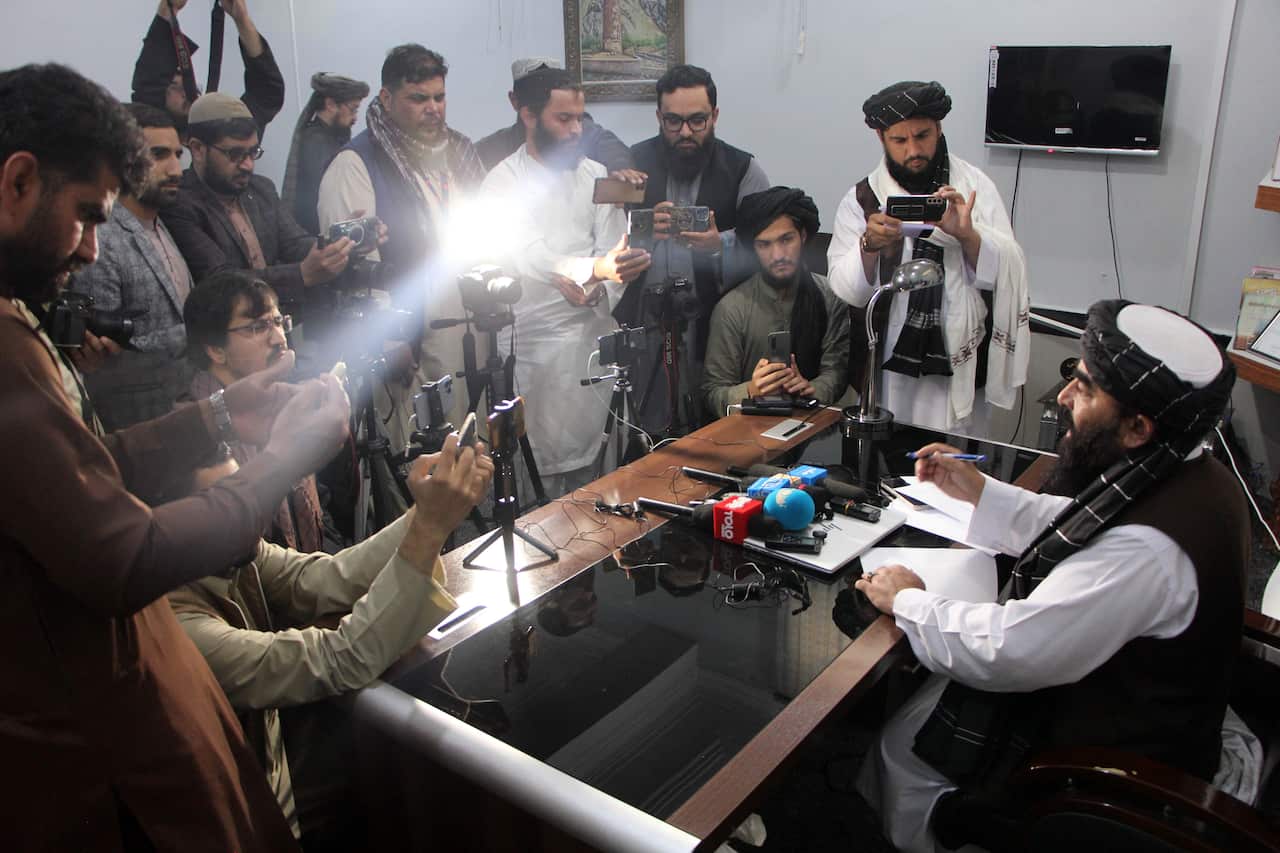
The Taliban said on Friday that their leaders were ready to negotiate with Pakistan.
"The Islamic Emirate of Afghanistan has always tried to resolve issues through dialogue, and now also we want to resolve this matter through dialogue," Mujahid said.
Mujahid said Pakistani strikes hit parts of Kabul, Kandahar and Paktia on Thursday night, and on Paktia, Paktika, Khost and Laghman on Friday.
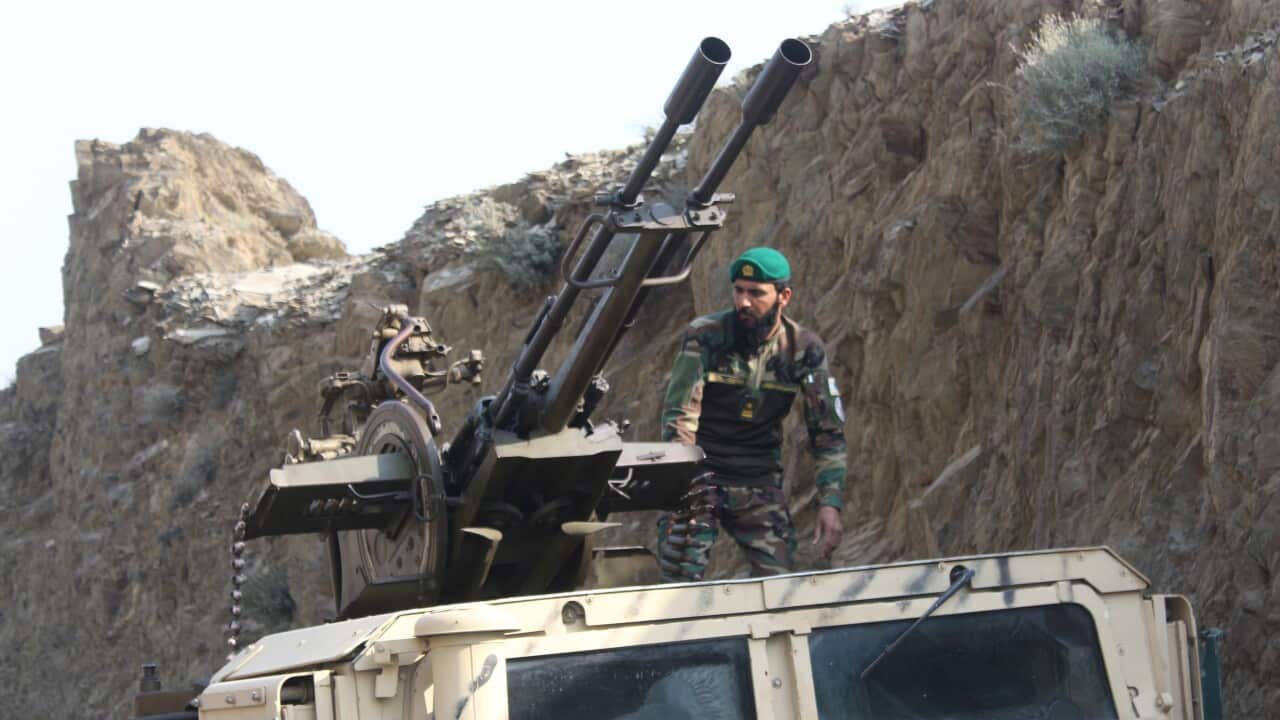
That followed Afghan drone strikes that began late on Thursday on Pakistani military positions and installations in northwest Pakistan along their shared border.
Pakistani officials said the country's strikes killed 274 Taliban officials and militants, while Afghanistan said it killed 55 Pakistani soldiers.
Pakistan confirmed that 12 of its own soldiers were killed, and Afghanistan said it had lost 13 Taliban fighters.
For years, the Pakistani government has blamed Afghanistan for attacks inside Pakistan aimed at overthrowing the government, claiming the Taliban shelter Tehreek‑e‑Taliban Pakistan fighters.
Pakistani officials said leaders of Tehreek-e-Taliban Pakistan (TTP), a militant group that has stepped up assaults in Pakistan since the Afghan Taliban returned to power in Kabul in 2021, operate from Afghan territory and use it as a safe haven to plan cross‑border assaults.
While the United Nations has said the TTP and the Taliban in Afghanistan are linked, the Taliban government denies this and argues Pakistan is deflecting blame for its own security failures.
UN calls for 'an immediate cessation of hostilities'
In response to the sharp surge in hostilities, Britain, the United Nations, and the International Committee of the Red Cross called for immediate de-escalation, while diplomats in China, Saudi Arabia, and Qatar began efforts to calm tensions.
UN Secretary-General Antonio Guterres was "deeply concerned by the escalation of violence" between Afghanistan and Pakistan and the impact that is having on civilian populations, his spokesperson Stephane Dujarric told a news briefing.
"He calls for an immediate cessation of hostilities, and he reiterates his call on the parties to resolve any differences through diplomacy," Dujarric said.
The ICRC said it was preparing an operational response to humanitarian needs on the ground, with help from the Afghan Red Crescent Society and the Pakistan Red Crescent Society.
"The focus on both sides of the border now is to support health facilities treating people who were wounded by hostilities. However, no humanitarian response can compensate for political will to respect the rules of war and prioritise de-escalation," ICRC President Mirjana Spoljaric said.
On the other hand, the United States "expressed support for Pakistan's right to defend itself against Taliban attacks," Allison Hooker, the under secretary of state for political affairs, wrote on X after talks with a Pakistani counterpart.
Protracted conflict
The strikes threatened to unleash a protracted conflict along the 2,600 km frontier between Afghanistan and Pakistan.
"Our cup of patience has overflowed. Now it is open war between us and you (Afghanistan)," Pakistani Defence Minister Khawaja Muhammad Asif said on Friday.
Pakistan's foreign ministry warned that any new Taliban provocations, or attempts by any "terrorist group" to target Pakistanis, would be met with a "measured, decisive and befitting response".
Pakistan is nuclear-armed, and its military capabilities are vastly superior to those of Afghanistan. However, the Taliban are adept at guerrilla warfare, hardened by decades of fighting with U.S.-led forces, before returning to power in 2021.
Afghan Foreign Minister Amir Khan Muttaqi also spoke to the Qatar's Mohammed bin Abdulaziz Al-Khulaifi, the junior foreign minister, on Friday, according to a statement from the Afghan Ministry of Foreign Affairs.
Qatar, which helped stop fighting between the two countries last year, is working with other nations to help resolve the latest crisis, Afghanistan said.
"Afghanistan has never been a supporter of violence and has always preferred to resolve issues based on mutual understanding and respect," Muttaqi told Khulaifi in their call, the statement said.
Clashes between Pakistan and Afghanistan in October killed dozens of soldiers until negotiations facilitated by Turkey, Qatar and Saudi Arabia brought an end to the hostilities.
The UN spokesman said nearly half of Afghanistan's population, or 22 million people, need humanitarian aid, and the number would rise if fighting continues or worsens.
For the latest from SBS News, download our app and subscribe to our newsletter.







