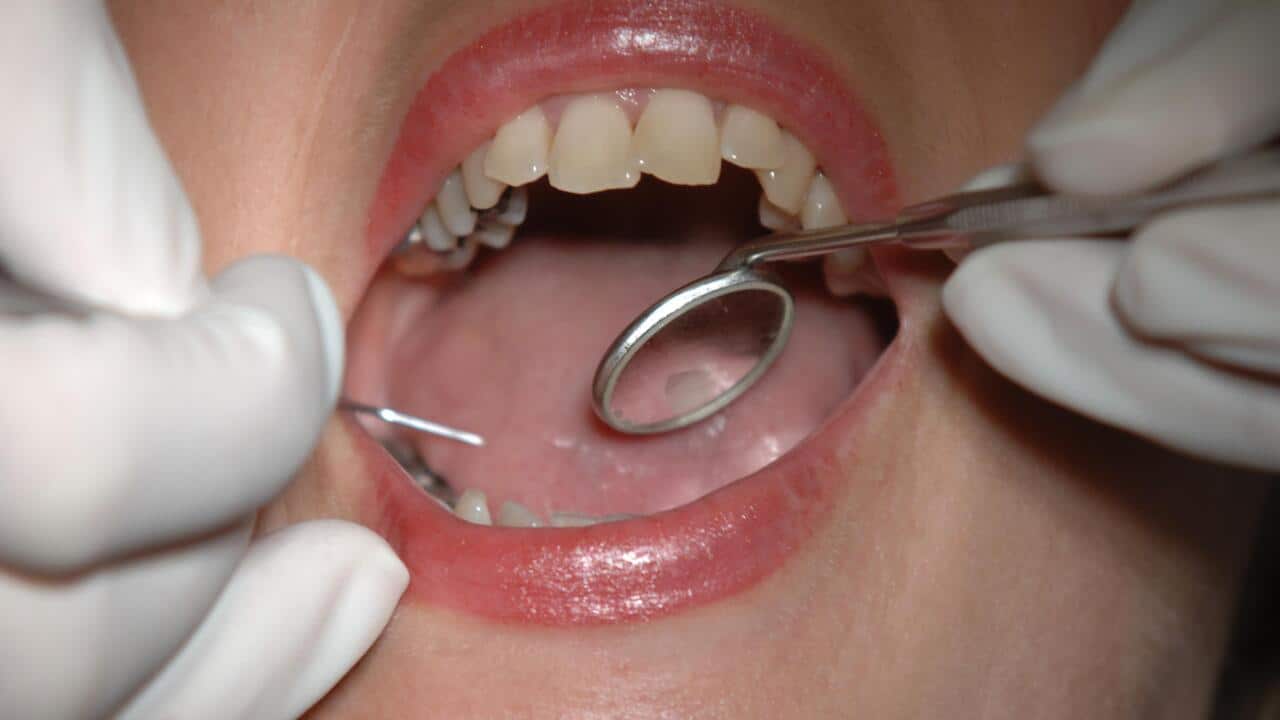
Talking therapy can help overcome dread of the dentist, research shows.
Patients with dental phobia are able to face down their fear after an average five sessions of cognitive behavioural therapy, a British study has found.
Psychologists looked at 31 men and 99 women attending a specialist CBT service for people terrified of dental injections and drills.
Nearly all suffered problems with their teeth, mouth or gums as a result of avoiding the dentist.
CBT seeks to overcome problems such as anxiety and depression by changing habits of thought and behaviour.
News that makes sense
Your trusted source for staying up-to-date with the world around you. Get free daily news updates and analysis, straight to your inbox.
Of the patients treated at the clinic, run by King's College London Dental Institute's health psychology service, 79 per cent went on to have dental treatment without needing to be sedated.
A further six per cent were only able to brave the dentist after sedation, the researchers reported in the British Dental Journal.
Professor Tim Newton, who led the study, said: "People with dental phobia are most commonly given sedation to allow them to become relaxed enough for a short period to have their dental treatment performed. However, this does not help them to overcome their fear in the long term.
"The primary goal of our CBT service is to enable patients to receive dental treatment without the need for sedation, by working with each individual patient to set goals according to their priorities. Our study shows that after on average five CBT sessions, most people can go on to be treated by the dentist without the need to be sedated."
Three-quarters of the patients had anxiety assessment scores indicating general dental phobia. The rest appeared to have specific fears about things like drills or injections.
A large proportion also had other psychological problems, the researchers found. A total of 37 per cent had high levels of general anxiety and 12 per cent were clinically depressed.







