
What do you get when you mix a love for navigating ascents and descents and snow? Ski mountaineering, of course.
Otherwise, known as "skimo", this winter sport will be debuting at the Milano Cortina Winter Olympics, which start on 6 February. The schedule will include sprint races and mixed relays.
The sport has a rich history, steeped in practical mountain travel and military patrol competitions.
However, skimo was only recognised by the International Olympic Committee almost 100 years after other winter sports such as ice skating and ski jumping.
News that makes sense
Your trusted source for staying up-to-date with the world around you. Get free daily news updates and analysis, straight to your inbox.
The sport combines elements of cross country, alpine skiing and mountaineering.
What is skimo?
Athletes sprint uphill with fabric strips called 'skins' on the bottoms of their skis, which grip the snow. They then attach their skis to a special backpack, run a section of the course in boots, and then turn their boots into downhill mode to race downhill.
The sprint races are over in a couple of minutes.
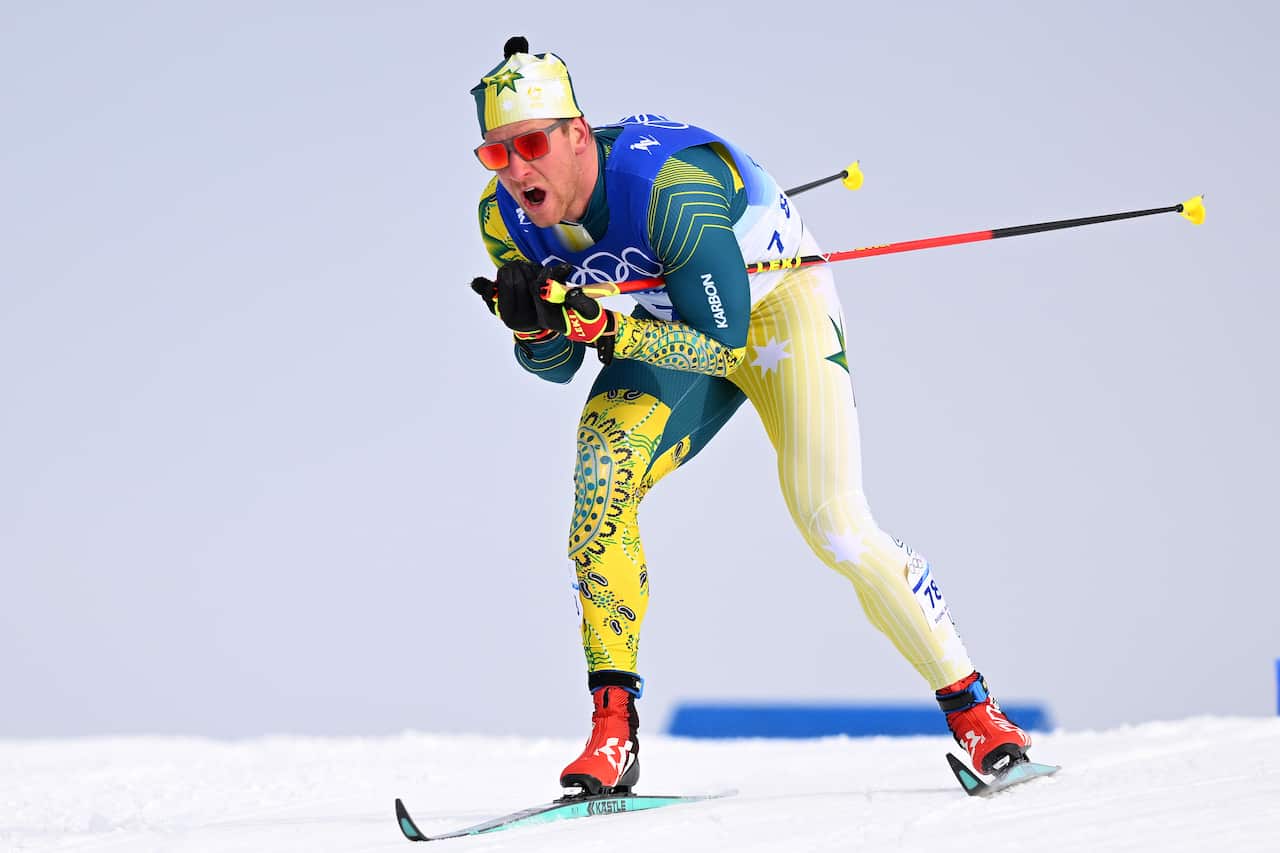
So, how did two Australians — Phil Bellingham, 34, and Lara Hamilton, 27, end up competing in skimo's first Olympic events?
For Bellingham, this will be his fourth Winter Olympics, having competed in cross-country skiing at Sochi 2014, PyeongChang 2018 and Beijing 2022.
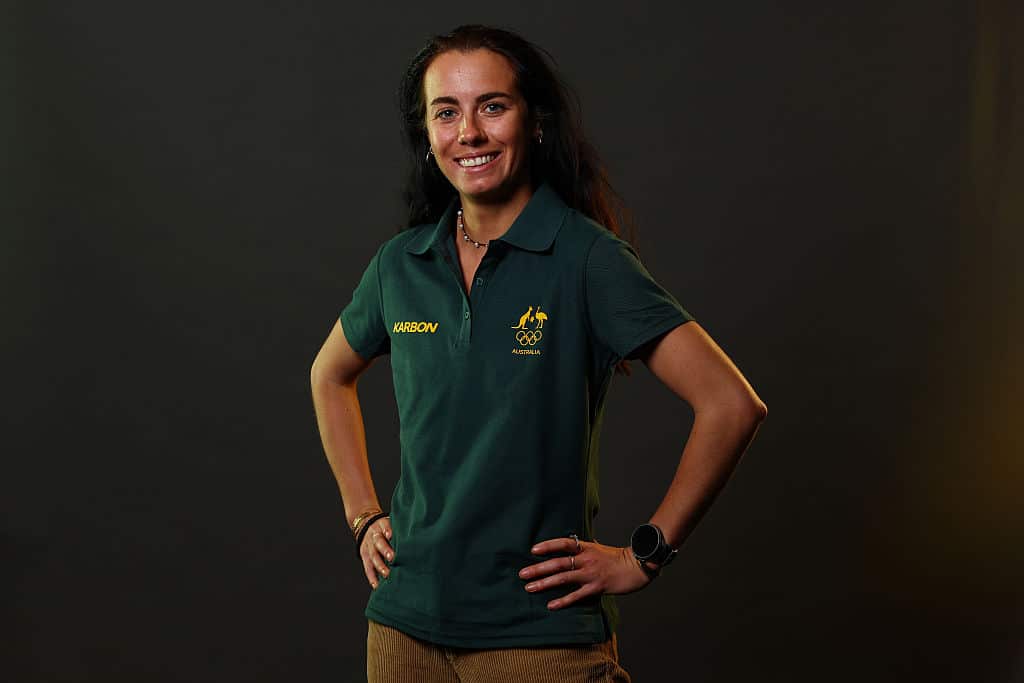
Hamilton, from Sydney's north shore, will be making her Winter Olympics debut. Her background is in Nordic skiing and trail running, but last year she made skimo her focus and qualified for the Australian team at this year's Games.
Hamilton told SBS News the speeds athletes are sprinting uphill at produce a huge amount of lactic acid — but she finds the descent after the climb in ski mountaineering the biggest challenge.
"My legs are shaking, I'm feeling delirious, and I'm expected to do these precise movements as quickly as possible," she said.
"It's like you suddenly stop and you need to do this manipulation of the gear. So I guess learning how to calm to be able to do that after an all-out effort has been my biggest challenge."
Bellingham, who hails from Victoria's High Country, said TV viewers should be aware just how steep the decline is.
"It kind of just looks like people walking along quite slowly on skis, but it's actually a really steep ski run," he told SBS News.
From cross-country skiing to ski mountaineering
Bellingham almost hung up his skis following the 2022 Beijing Winter Olympics, but cross-country skiing program director Finn Marsland encouraged him to give skimo a go.
He said he'd always been interested in the sport.
"I had always done a lot of backcountry skiing and downhill skiing, so I decided to give it a go in the 2023 season ... it was a bit of a rough start, but it turned out okay and I enjoyed doing it."
Hamilton, who grew up skiing and running, focused on running after high school after she landed a cross country scholarship in the United States.
But during her university winter breaks she kept up her skiing in the slopes of Colorado, until she saw some people ski mountaineering, and thought she would give it a go.
"I was backcountry skiing, but on a super heavy setup, not the setup that we know for skimo," she said.
"I had some friends in Colorado who were doing similar sports, so they gave me some advice on what to get ... so I bought my first setup secondhand, super crappy and just started doing [skimo] in the evenings around the resort."
Hamilton officially moved to Colorado in 2022 where she competed in her first races, and followed the US circuit, competing in her first World Cup in 2024.
"I learnt (through) trial by fire, but it’s been a really good journey."
'You do have to make a lot of sacrifices'
After buying her first setup on Facebook marketplace, Hamilton soon realised she'd need a better one.
"I was like: 'How the hell am I going to afford this?'"
She contacted a ski manufacturing company and offered her skills in marketing in exchange for skimo gear.
"I made that last something of two years before I broke it. But in saying that, that's a representation of how it's not that accessible, just because of how expensive the gear is," she said.
The high cost comes largely from the best equipment being made from carbon fibre, which keeps things extremely light for the athletes to climb and ski in, and store in their backpacks.
A full skimo setup includes skis, boots, crampons, climbing skins, gloves, poles, helmet, backpack and avalanche gear and can cost up to around $10,000 for elite racers.
"You do have to make a lot of sacrifices, I guess, especially as an Australian coming into a very Eurocentric sport. It's a lot of travel, a lot of gear, things break easily, race suits, entry fees, coaching, all of it," Hamilton said.
Bellingham had a similar experience, also noting how expensive the sport is.
"It definitely wasn't easy, just because boots cost around $3,000," he told SBS.
"I had a ski supplier who gave me cross country skis when I was racing ... and I told them I was going to try and go to the Olympics for this different sport ski mountaineering and they helped me out with my first pair of skis."
Olympians are paid $5,000 once they have qualified for each Games, and medal winners are paid up to $20,000 if they win gold. Athletes may be able to access other funds and have sponsors provide them with gear, but Hamilton is not the first Australian Winter Olympian to point out the high costs she's had to cover herself.
All geared up and ready to rise ... and descend
Bellingham spends his time chasing winters, spending time at Falls Creek in Australia and training overseas. Hamilton spends her summer competing in World Cup trail running circuits, and her northern hemisphere winters are spent in Europe or America.
Both are now in Italy ready for the ski mountaineering competition, which will be held from 19-21 February at the Stelvio Ski Centre in Bormio.
"It’s really intense, which is awesome for the audience and a real challenge for athletes," Hamilton said.
For the latest from SBS News, download our app and subscribe to our newsletter.







