
Rural New South Wales communities are bracing for another ecological disaster, despite efforts to save local fish populations.
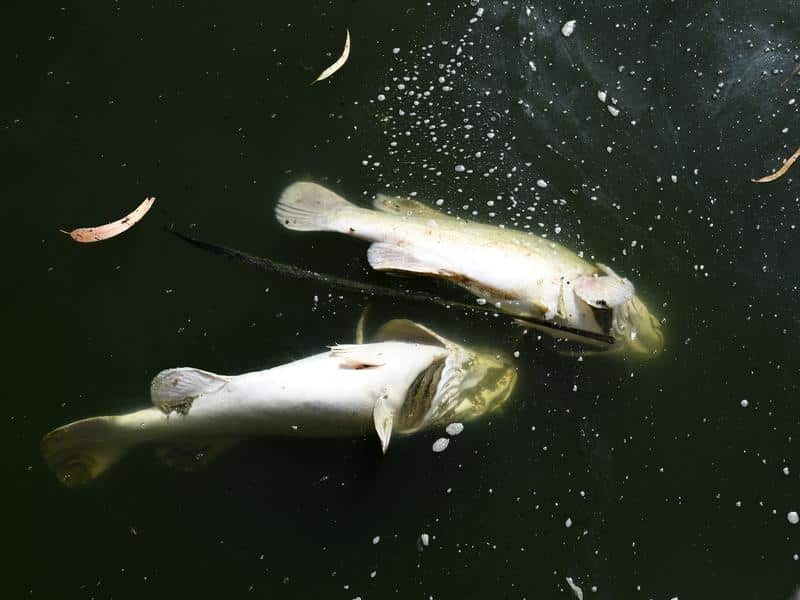
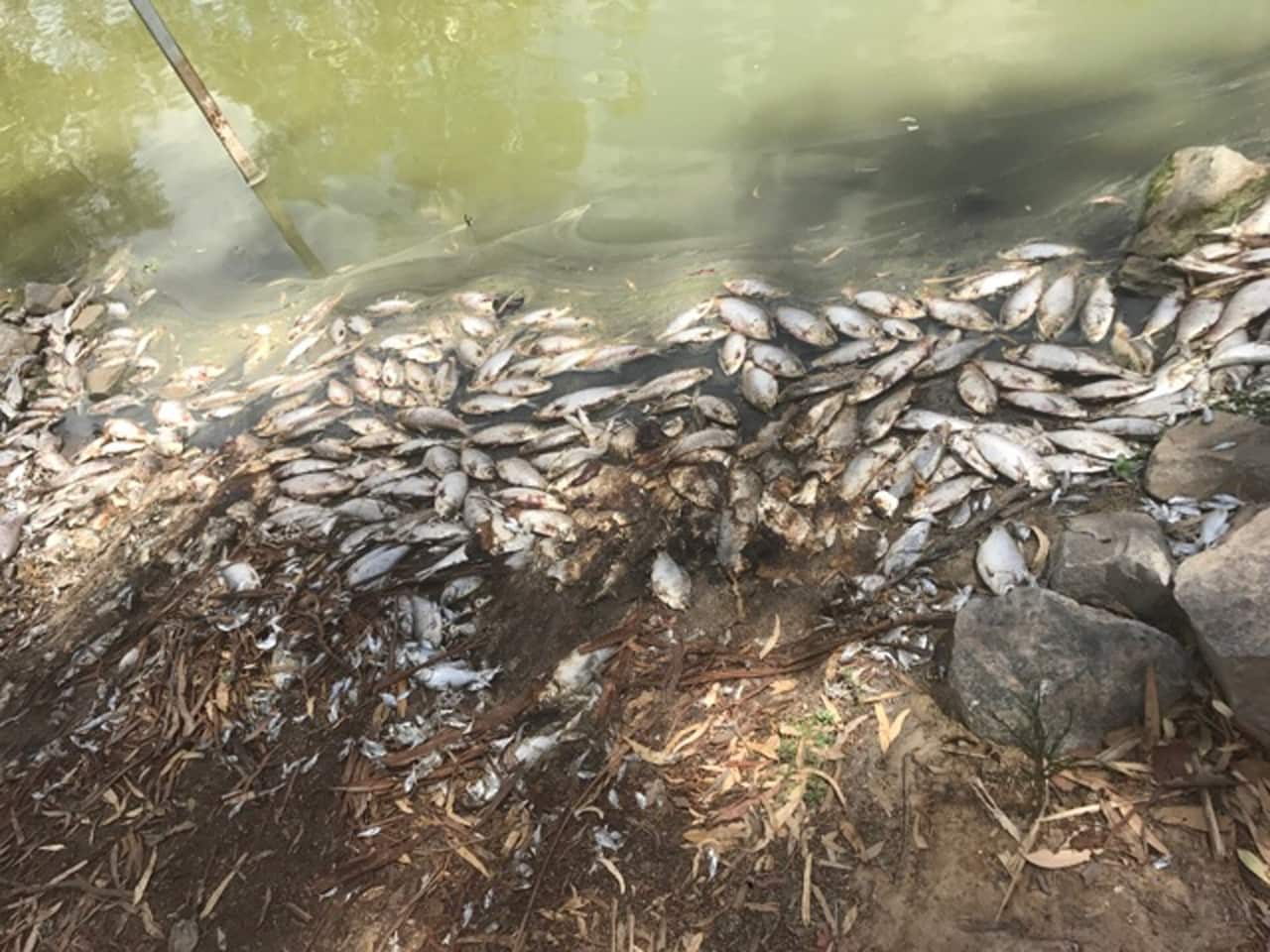
More than a million fish died in December 2018 and January this year along the Darling River at Menindee, which was once home to 60 different fish species.
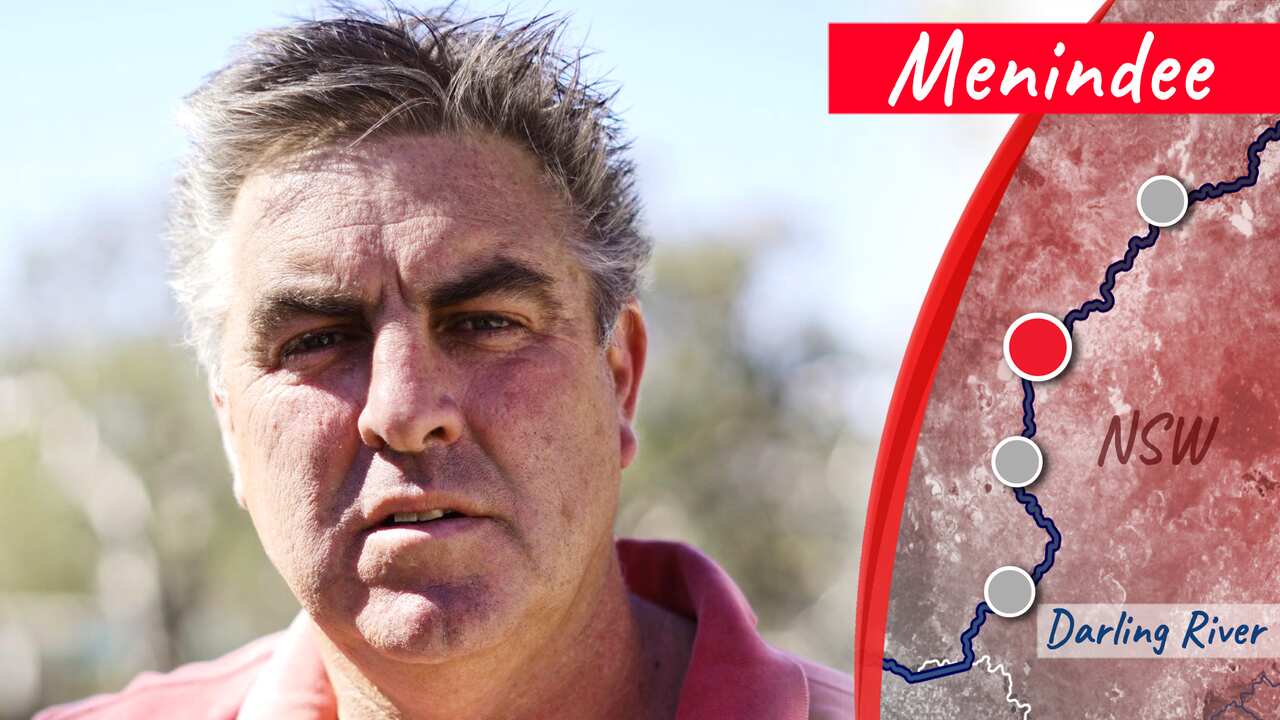
Local fisherman Graeme McCrabb still recalls the stench that saturated the town following what has been called Australia’s largest fish kill on record.
News that makes sense
Your trusted source for staying up-to-date with the world around you. Get free daily news updates and analysis, straight to your inbox.
“Rotten fish is pretty bad and when its 50 degrees it’s real bad,” he told SBS News.
“It was really quite pungent, the fish probably sunk after three or four days, but the smell was around the town for quite a while.
“It was pretty confronting, we’d lost cod that were over a metre big, probably close to 30 kilos, it was 25 years old so you know it was a fair age, same age as my kids.”
Disconnected river system
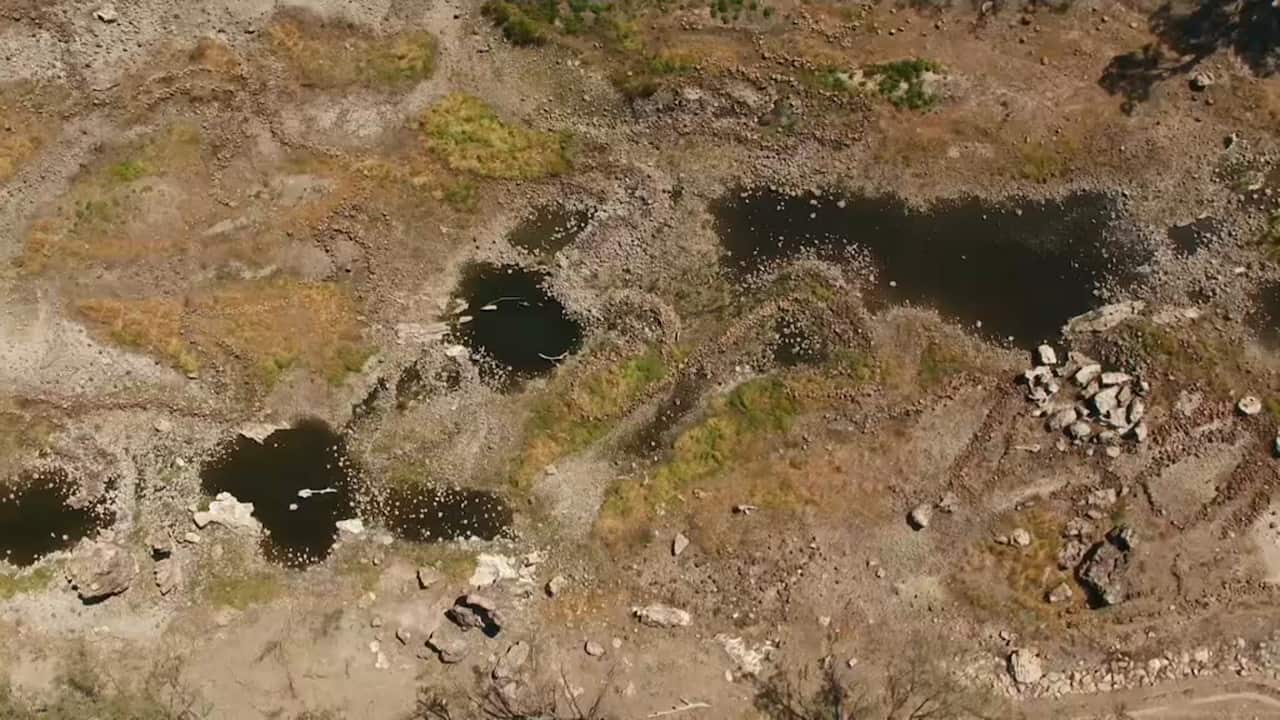
A lack of fresh flows down the river, combined with the drought, are exacerbating the disaster.
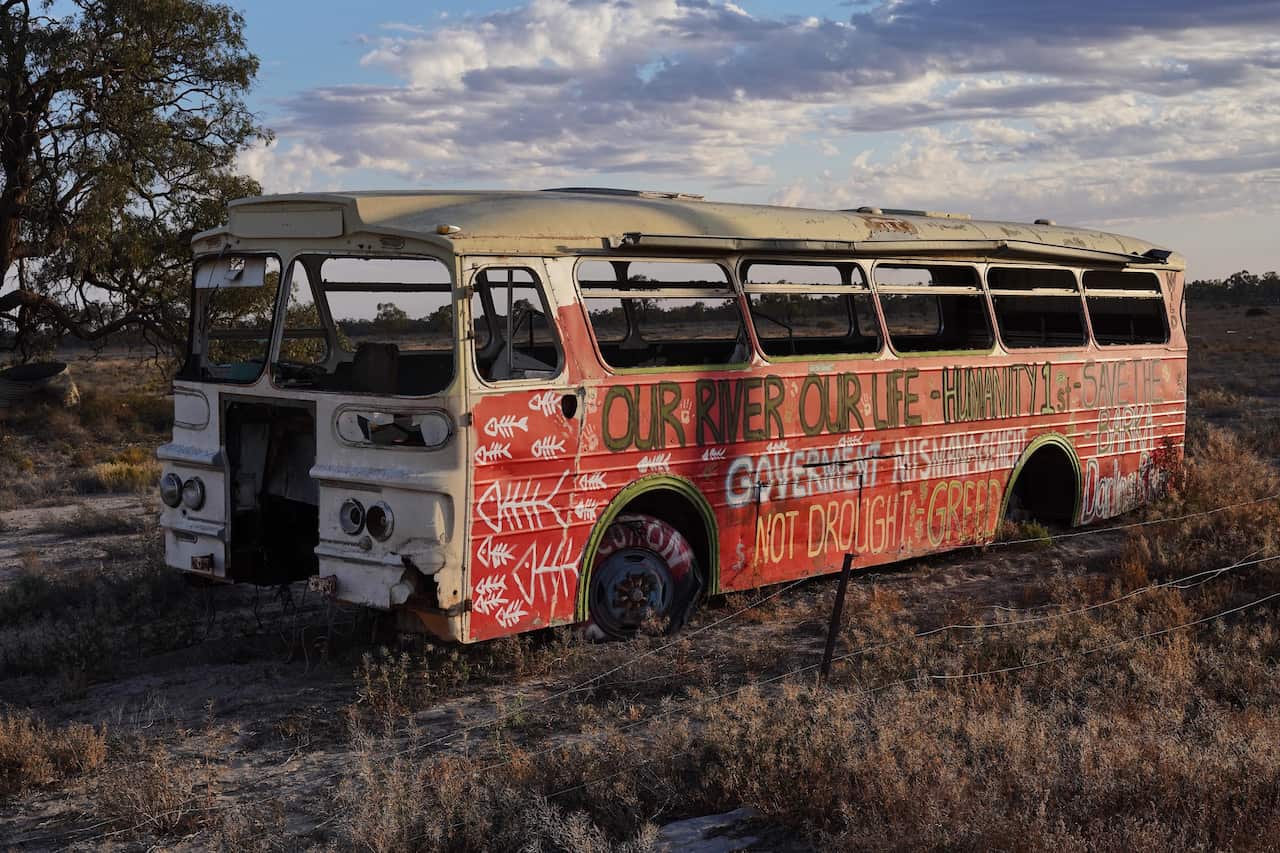
“There's six kilometres of dry riverbed and think when you're looking at that everyday it’s really confronting,” he said.
“It’s a stark reminder of just how dire the situation is."
On Monday, the federal government announced it has set aside an additional $300,000 to help states manage mass fish deaths during the summer as part of a new response plan.
The government also pledged $70 million to improve the health of the Darling River in April.
Federal Water Minister David Littleproud told SBS News he believes "there will be further fish deaths this summer if it doesn't rain".
“Fish need water and the drought has meant very low inflows into the river system,” Mr Littleproud said.
“The Murray Darling Basin Authority is working with NSW to reduce fish deaths before summer.”
But Shadow Minister for the Environment and Water Terri Butler told SBS News the latest announcement was only a "band-aid solution".
"The fish kills last summer was an ecological catastrophe, occurring under this government’s watch," she said.
"The minister has said to expect still more. Well that’s not good enough."
"This government has been asleep at the wheel of the Murray Darling Basin"
Relocation efforts won't save all fish
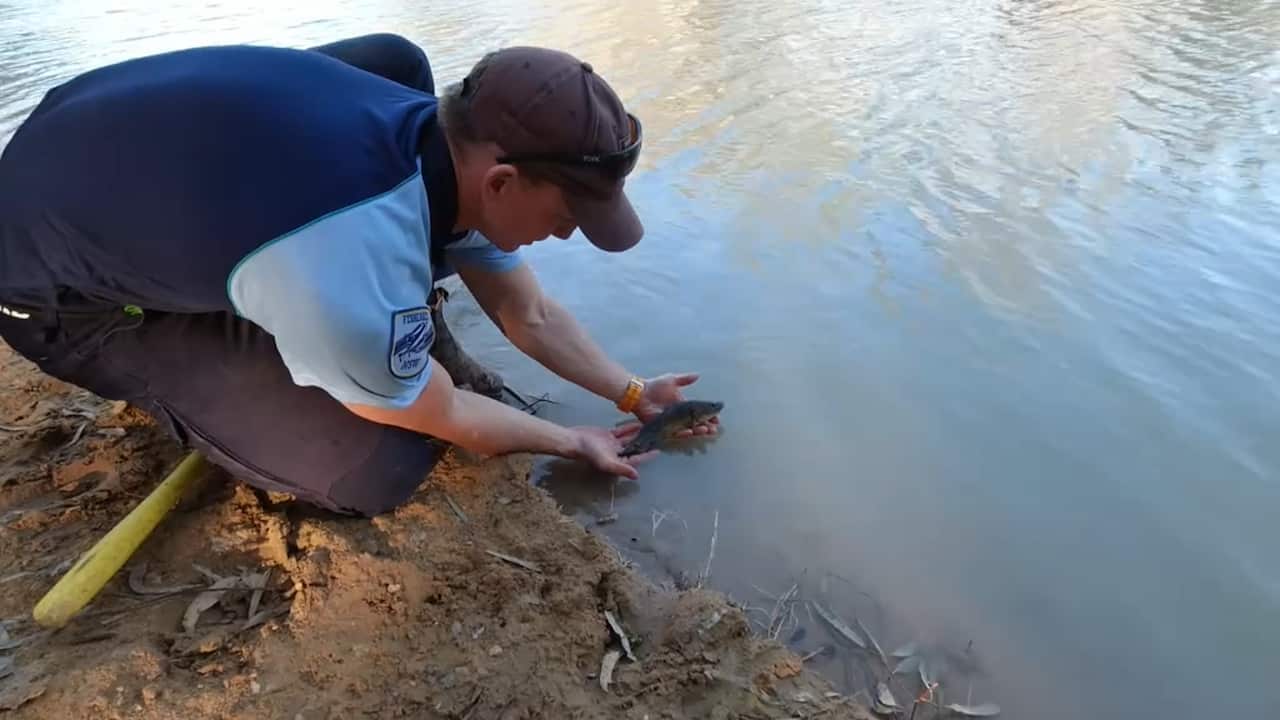
The NSW government has been catching and moving fish to areas south of Menindee where the Murray and Darling rivers meet.
A spokeswoman from the state’s Department of Primary Industries said they’re doing everything possible to help the native fish populations.
“NSW is currently facing one of the worst droughts on record and the record low levels of rain and diminishing flows within rivers presents significant risks for native fish,” she said.
“In particular, we are concerned about the Lower Darling, Namoi, Macquarie and Lachlan catchments in the early part of the summer, as well as the Barwon-Darling, Border Rivers and Gwydir, if current conditions persist.”
More than 800 fish have already been relocated from here in Menindee to areas of the lower Darling.
Of those, the Department said approximately 25 have died.
Fish pushed to the limit
“It is thought that the dead fish may be associated with the relocation efforts,” the department spokeswoman said.
“It's important to realise the dead fish account for approximately three per cent of the total number of fish successfully relocated by DPI.
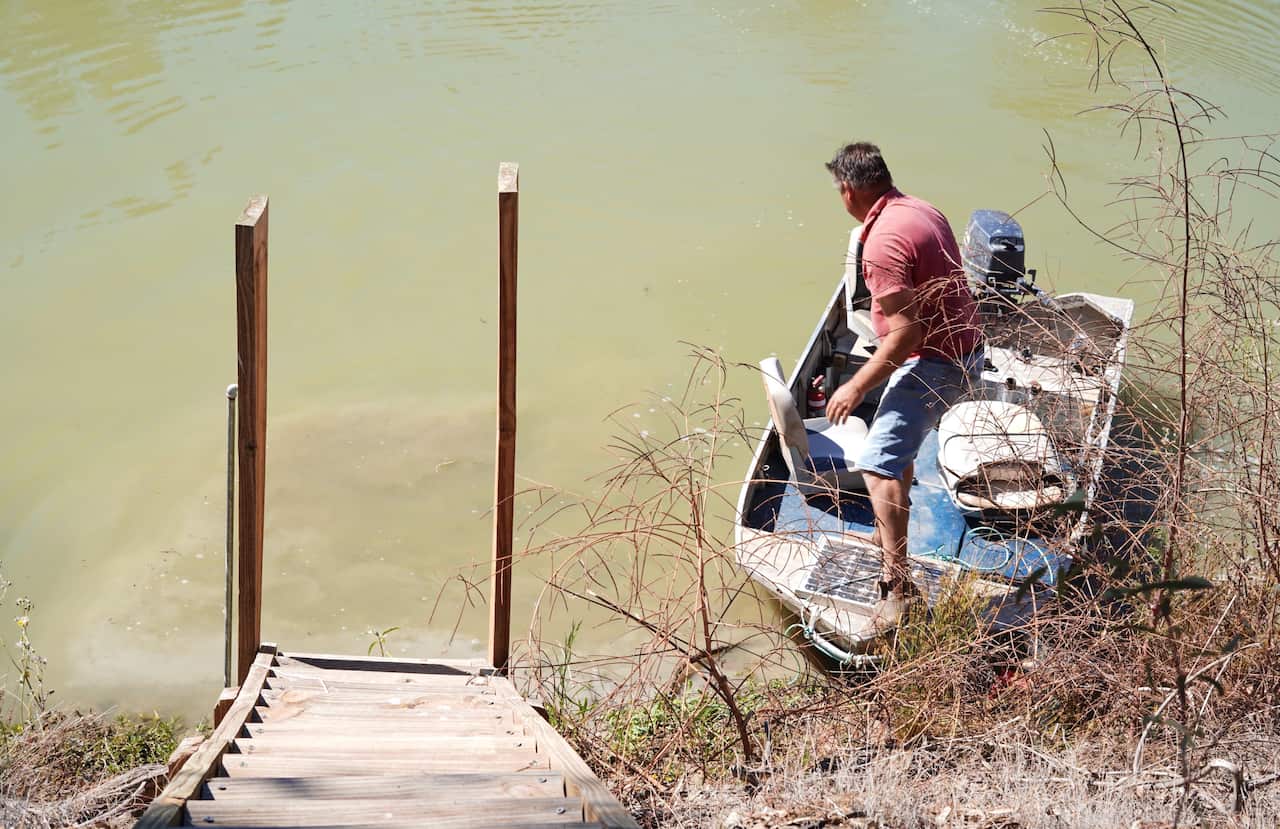
“Unfortunately, we will not be able to remove all the fish at risk, as there are thousands of disconnected and drying pools throughout NSW where fish are under stress.”
Mr McCrabb worries the relocation efforts are ‘too little, too late’.
“It's probably bucket to bushfire stuff again, but nah, it's not very nice seeing them struggle, it's a suffocation type process, and it doesn't happen instantaneously,” he said.
“It takes time for fish to die, so I think the relocation is better than nothing, but it certainly doesn't replace water policy.”
Loss of culture
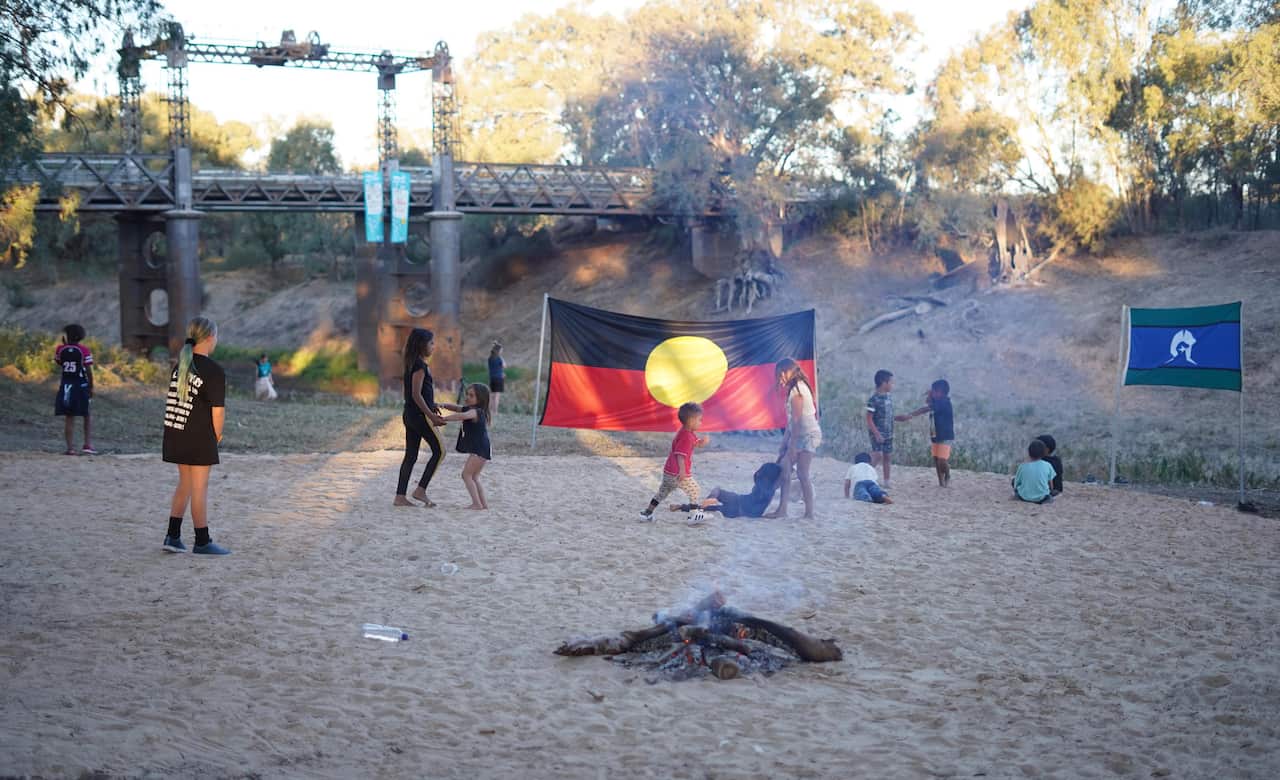
Barkindji man Michael 'Smacka' Whyman, lives upstream in Wilcannia.
He said the state of the water system is devastating to his community, the Barkindji people, or ‘Darling River folk’.
"I'd like to see the government stop draining or rivers our national waterways we're living in the longest river in Australia and they've killed,” he said.
“The environmental damage alone is bloody massive."
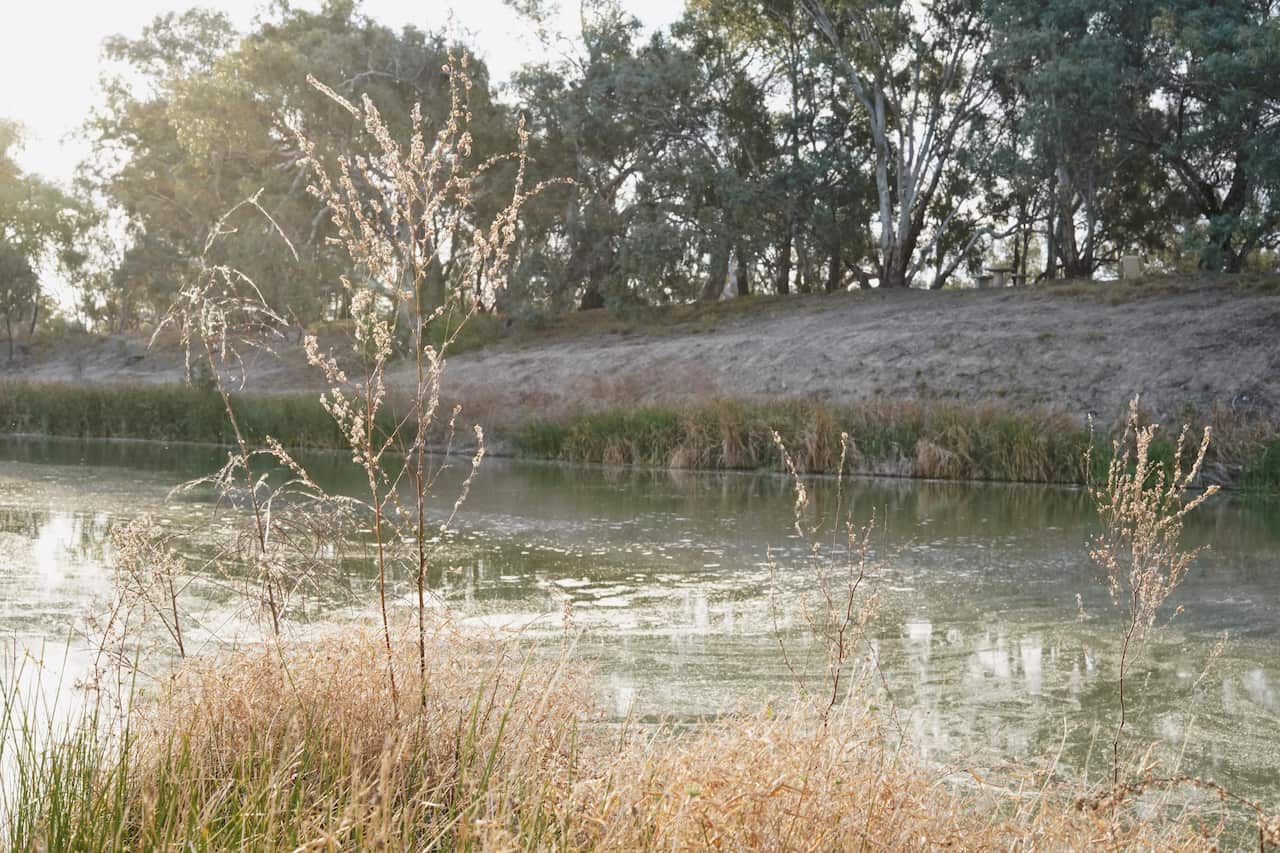
In September, an independent review by the state’s Natural Resources Commission found that the Barwon-Darling river system is an 'ecosystem in crisis'.
The review found: “The weight of scientific evidence is clear: while reduced inflows due to drought, upstream extraction, and climate change are all impacting the flows in the Barwon- Darling, the Plan provisions that allow increased access to low flows have resulted in poor ecological and social outcomes downstream of Bourke.”
While many are resigned to the state of the river system, water experts have said there’s still room for hope.
University of Sydney Hydrologist, Professor Willem Vervoot, said the river is a ‘resilient system’.
“It’s possible if we get a big flood that things will revive,” he said.
“What we really don’t know is where the threshold is that it is ruined forever."







