
A rare three-way contest in Australia's newest electorate will pit sheep farmers against suburban voters worried about cost-of-living pressures.
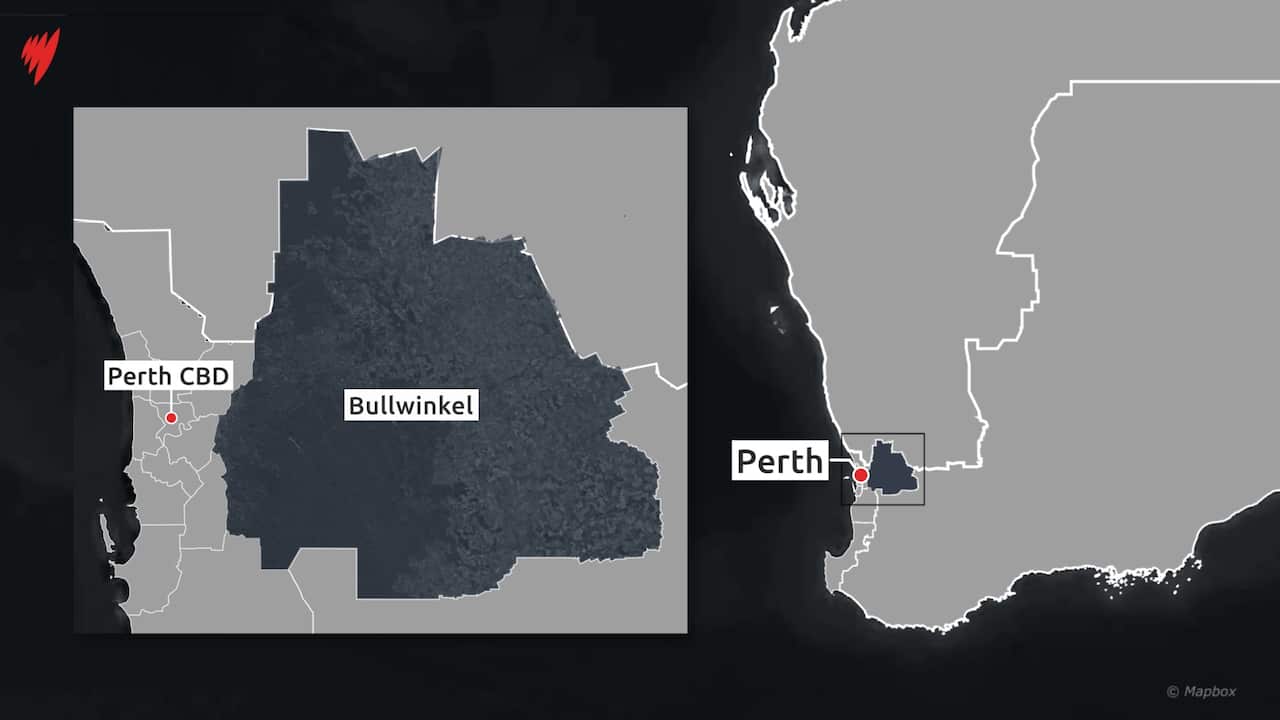
The Western Australian electorate of Bullwinkel spans 9,508 square kilometres and includes nine rural and outer metropolitan shires in east Perth.
The electorate is named in honour of Australian military nurse Vivian Bullwinkel, who endured three-and-a-half-years as a prisoner of war during World War Two and later dedicated her life to health care.
In what is expected to be a tight election, the diverse electorate is seen as up for grabs and is one of the most unpredictable contests this election.
News that makes sense
Your trusted source for staying up-to-date with the world around you. Get free daily news updates and analysis, straight to your inbox.
A tight three-way race with national implications
Bullwinkel includes areas taken from the rural electorates of Durack and O’Connor, as well as outer metropolitan areas of Perth previously located in the electorates of Hasluck, Swan, Canning and Burt.
Based on the previous voting patterns of these areas, Bullwinkel is notionally a Labor seat held with a 3.3 per cent margin, but that is based on the party's unusually good results in the 2022 federal election when it won nine of the then 15 Western Australian seats.
"In a normal election year, it would probably be a marginal Liberal seat," Curtin University political analyst John Phillimore said.
This means the race is far from settled.
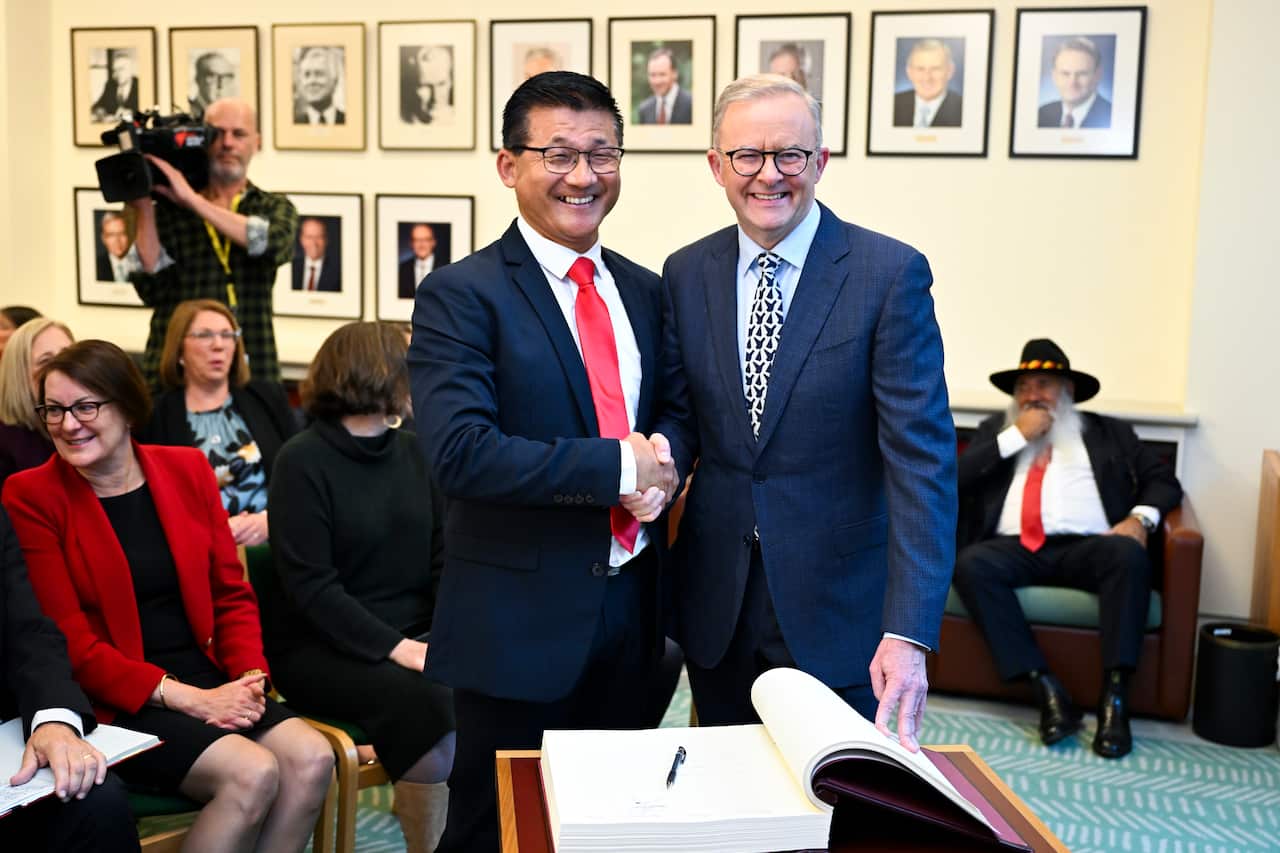
Labor's candidate is Trish Cook, a local nurse and Mundaring councillor, who has lived in the Perth Hills for nearly 20 years.
She says her nursing career has shaped her values of compassion and fairness. Having raised her family locally, she is campaigning on economic relief and cost-of-living support.
If she manages to secure the seat this would help buffer Labor against possible losses in other seats.
The party is aiming to hold onto all nine of its WA seats, especially key electorates that played a crucial role in securing Prime Minister Anthony Albanese’s victory.
Marginal seats such as Tangney — a traditional Liberal stronghold — are held by Labor with a narrow 2.8 per cent margin.
The competition between Cook's Liberal and National rivals could help her chances.
The Liberals and Nationals in WA often clash over policies in state parliament, and if they fail to work together at the federal level, it could divide the conservative vote.
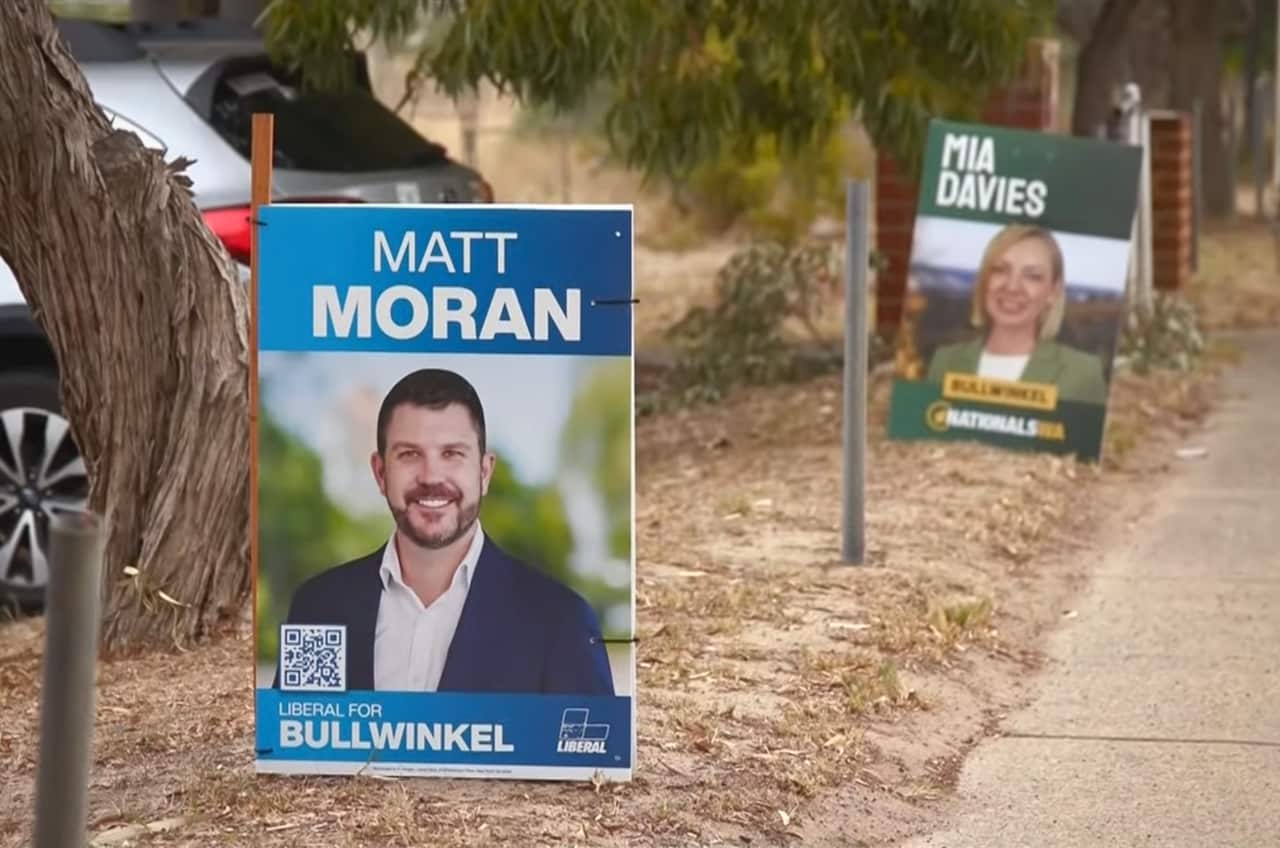
Liberal candidate Matt Moran, a former journalist and a veteran of the war in Afghanistan, grew up in the area and his parents own a small farm. He believes his experience in the military and media has given him a strong foundation in public service and leadership.
But Nationals candidate Mia Davies, a former WA state Opposition leader, is the most high-profile contender in the race. She is expected to centre her campaign on rural issues, particularly the live sheep export ban.
The economic divide
Two dominant issues are shaping the contest: The rising cost of living in suburban areas; and the federal government's decision to phase out live sheep exports, a move that has deeply unsettled regional voters.
Sheep farmer Peter Boyle, whose family has farmed in the region since 1855, faces an uncertain future.
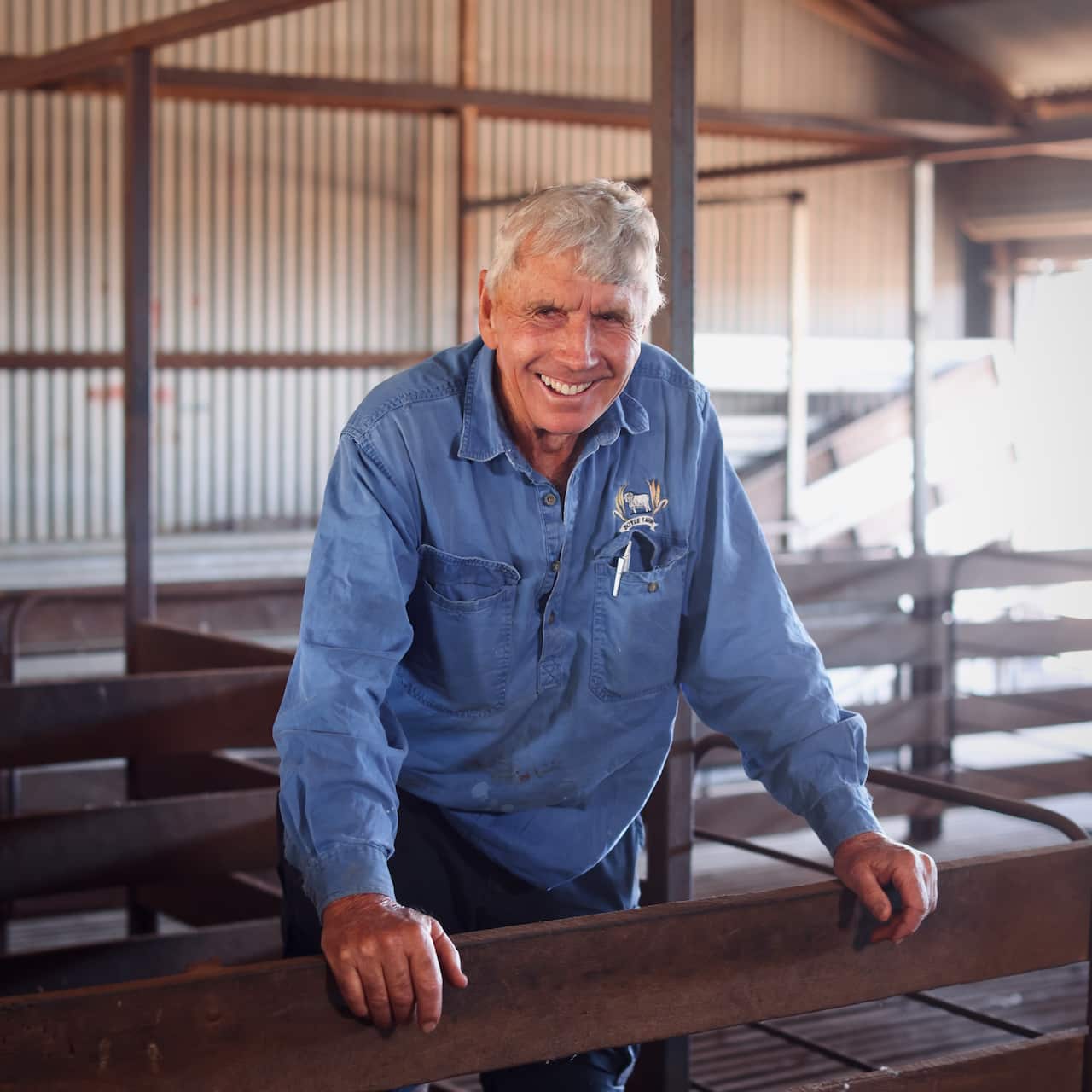
"We don't know where we are going to go next year because there's a huge reduction in sheep numbers all around us," Boyle said.
"At its peak, sheep trading was 30 per cent of our business. Now it's only about 1 per cent."
The live sheep export ban will take effect by 1 May 2028.
Labor campaigned on the policy in its 2019 and 2022 election campaigns, citing animal welfare concerns.
Then agriculture minister Murray Watt pointed to a shift away from exports and towards local meat processing, arguing the ban would create jobs.
But there were warnings farmers would leave the industry and rural communities would shrink.
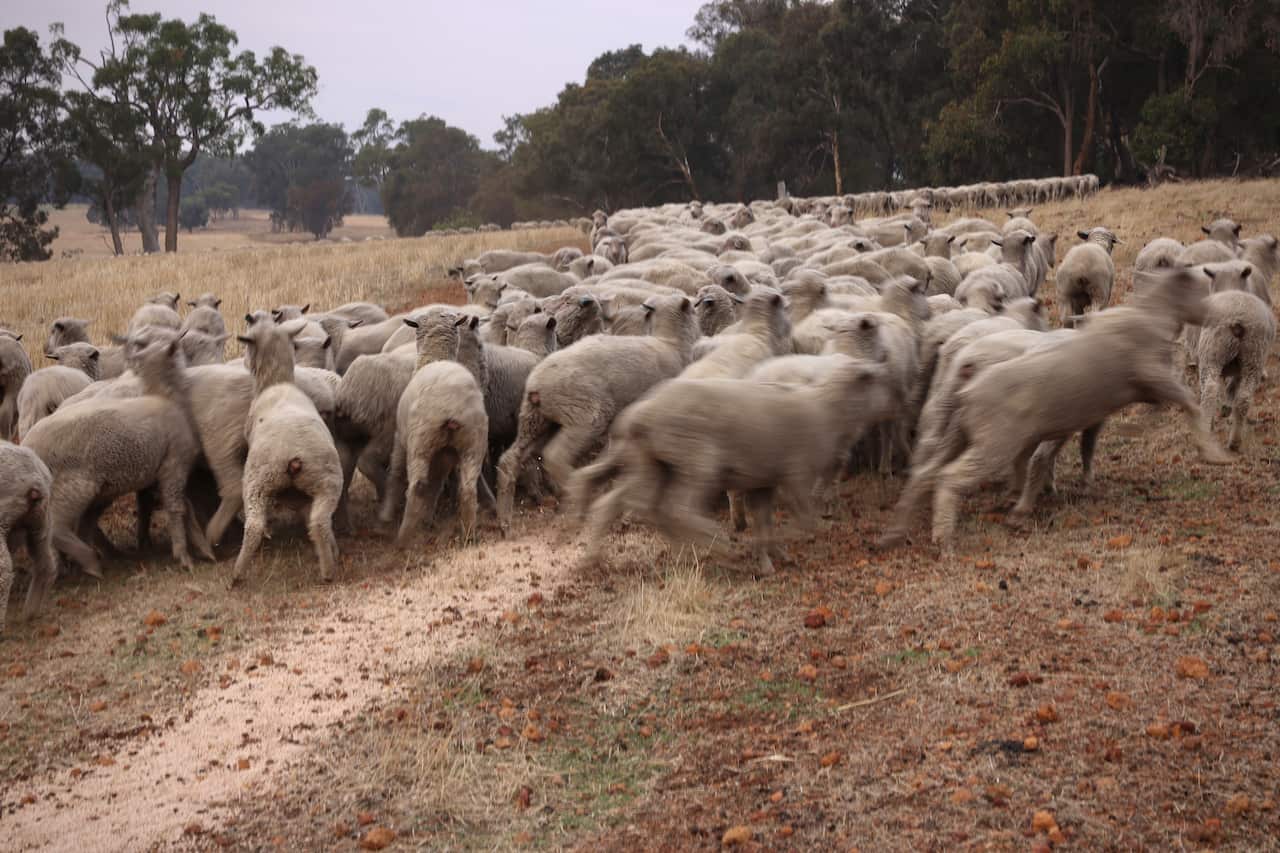
Local abattoirs are already at capacity, and some have closed in the past 12 months due to declining confidence in the sector.
In response, the "Keep the Sheep" campaign was launched, with farmers staging protests, including at a parliamentary hearing held in Perth.
The hearing included a fiery moment when Kojonup farmer Steve McGuire responded to questions from committee chair Meryl Swanson about how farming organisations were helping members to transition.
"There are thousands of (farmers) out there ... we are not dumb country hicks that live in a vacuum," McGuire said in June.
The ban also has international consequences. The Jordanian ministry of agriculture told SBS News last year that it urged the government to "reconsider or postpone the decision", saying it would cost jobs in Jordan and damage trade relations.
Since then, the Coalition, led by Nationals leader David Littleproud, has vowed to reverse the ban if elected.
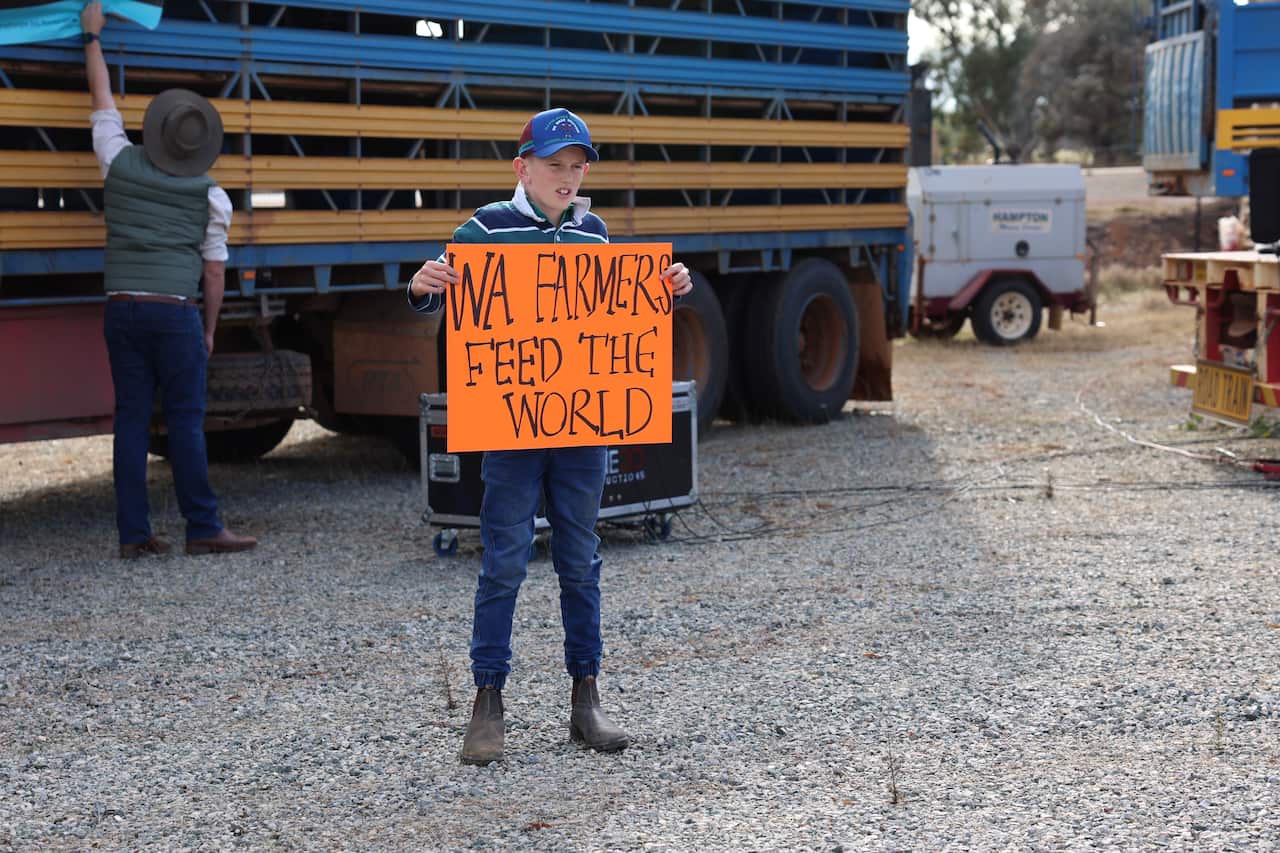
"My first international trip will be to Kuwait, Qatar, Saudi Arabia, Jordan and Morocco — to show them respect," Littleproud said.
"We are an important part of their food security. We should be a trusted partner they can rely on."
Despite all this, Phillimore says live exports won't be a decisive election issue.
"Live sheep exports will be important for some people, but I don't think it's a major vote shifter."
Suburban struggles: The cost-of-living crisis
For suburban voters, mortgage stress, inflation and job security are the biggest concerns.
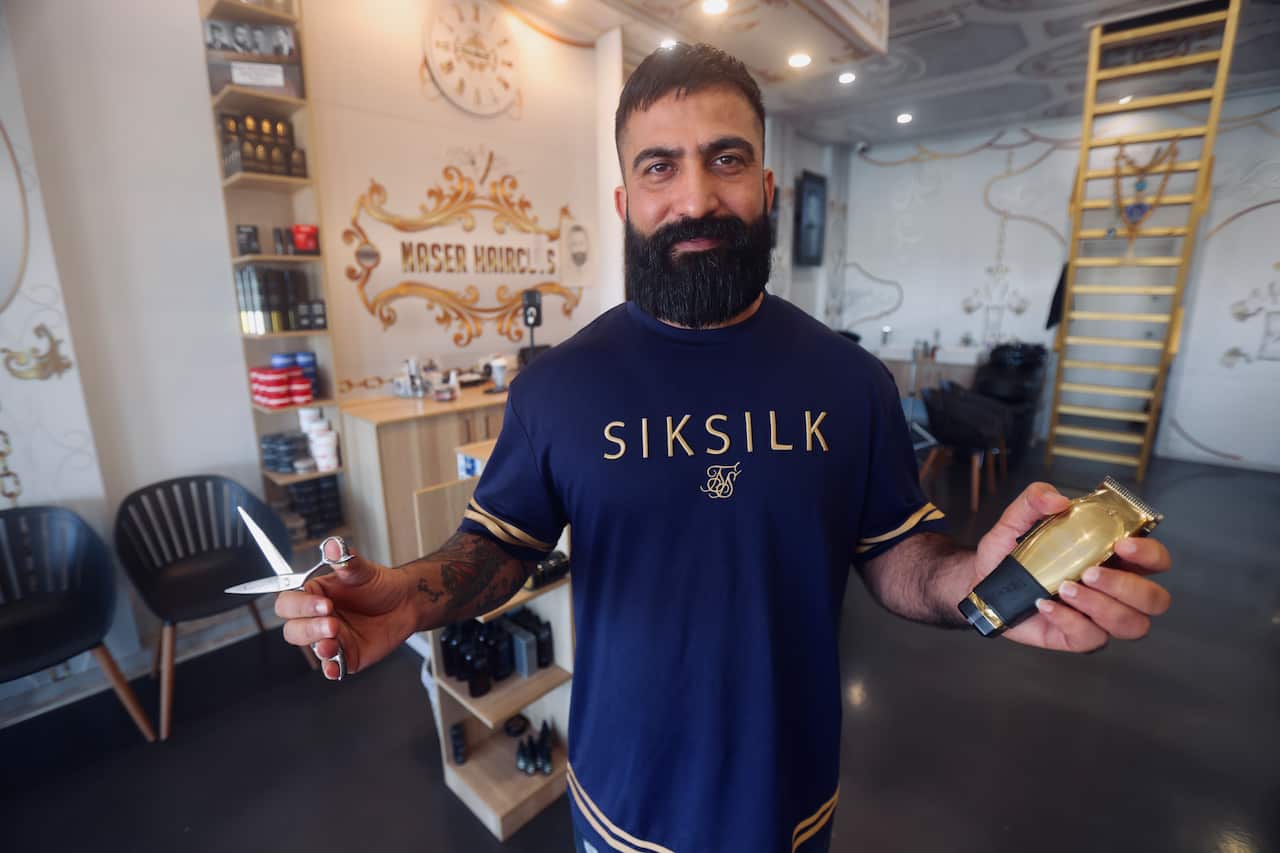
Local barber Hussein Naser, a father of four who runs his own business, says rising costs are making it harder to stay afloat.
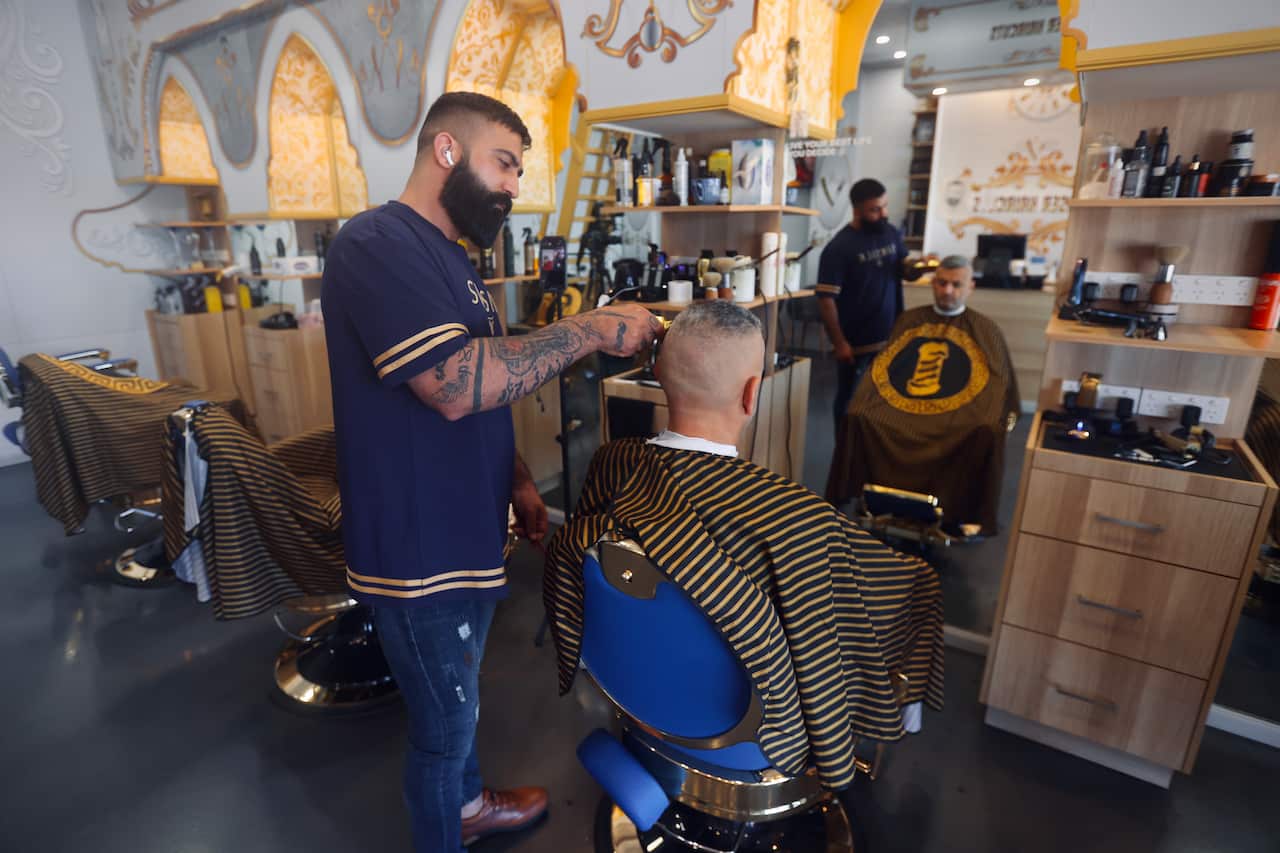
I've had to cut staff because customers stopped spending enough money.
"Those who used to come for a haircut every two weeks now come once a month. Those who came monthly are now coming every two months."
Naser is sceptical about politicians' campaign promises.
"Politicians may promise 10 things, but how many of those 10 things will actually get done," he said.
Labor's Trish Cook has put economic relief at the centre of her campaign, but during a visit to Bullwinkel, she was shielded from media questions about the live export ban — only responding after Veterans' Affairs Minister and Member for Burt Matt Keogh intervened.
When asked about whether her focus on cost-of-living issues risked alienating farmers, she defended her approach.
"I'm campaigning on the issues that matter to the people," Cook told SBS News.
"I've been a nurse for a long time, and I've lived in this area for over 20 years, I know this area very well."
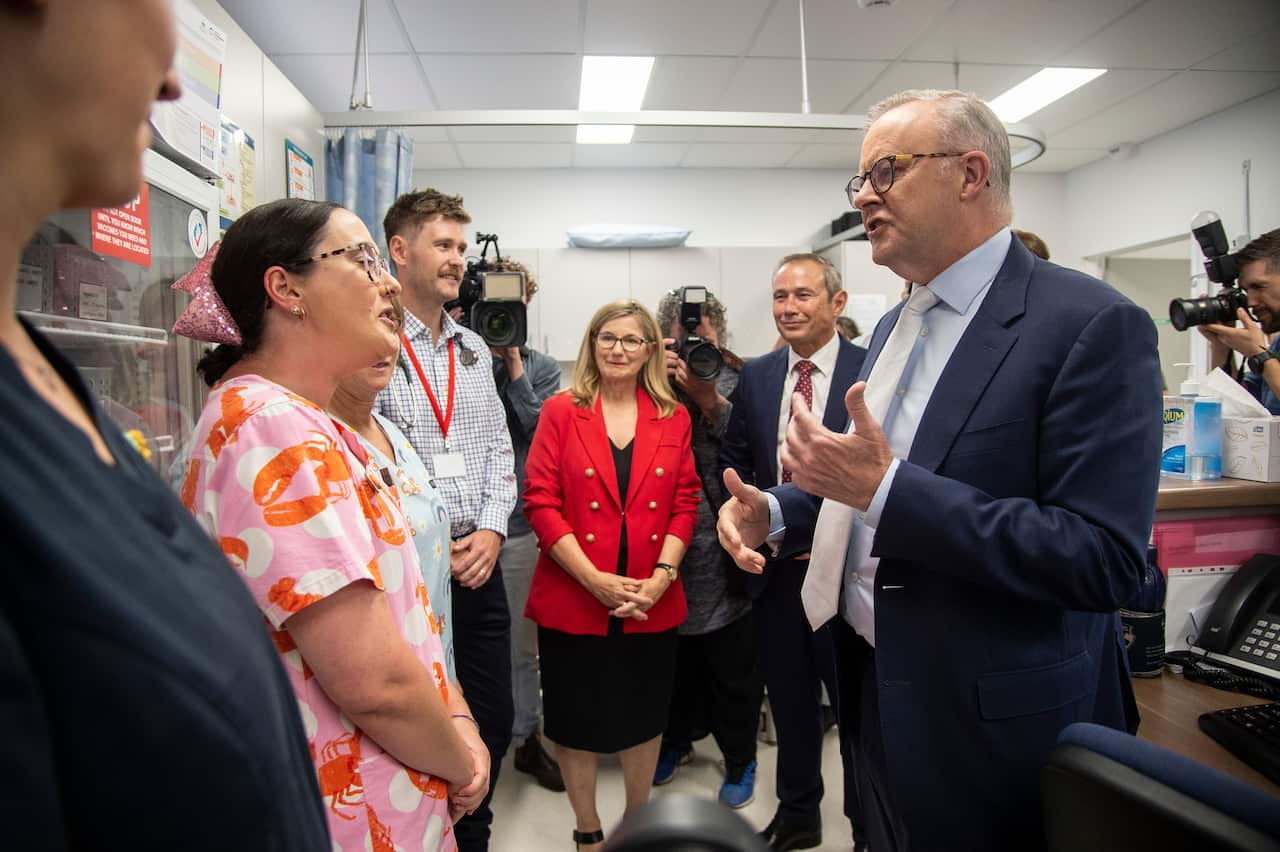
This wasn't the first time she was protected from scrutiny — a press conference ended abruptly on 9 January when Prime Minister Anthony Albanese visited WA and reporters pressed for answers from Cook.
National lessons from WA's state election
WA's recent state election result showed Labor's aggressive cost-of-living campaign resonated with voters.
Analysts suggest the failure of the Liberals and Nationals to work together saw votes remain with Labor, securing them another landslide result.
The Greens won enough seats to hold the balance of power in the upper house.
While state and federal politics differ, Bullwinkel is a litmus test for the upcoming federal election.
And with no sitting member, the seat is up for grabs — making it one of the most unpredictable contests this election.







