
When you first meet Peter Mullaly, you wouldn't necessarily have guessed that he was once homeless.
After 10 years in active service, the Army Captain was medically discharged and returned in 2014.
But once home, the 29-year-old Iraq veteran was diagnosed with PTSD and an injury which meant he could no longer work.
"You're in your own little world over there, your uniform for a day is body armour, grenades and weapons … You're so detached from the society and the world."
Like so many soldiers, he found it difficult to admit the reality of his situation.
Peter describes himself as a classic example of generation of diggers struggling with the effects of war.
"I guess I didn't think I had a problem because I didn't necessarily experience those classic symptoms of PTSD initially like nightmares, flashbacks and those sorts of things," he said.
After a series of unfortunate events, including substance abuse and stress, Mullaly became homeless.
Mullaly felt powerless and it further led him into a headspace of negativity. This was further exacerbated when he realised as a young father, he didn't have a home for his three-year-old daughter to visit.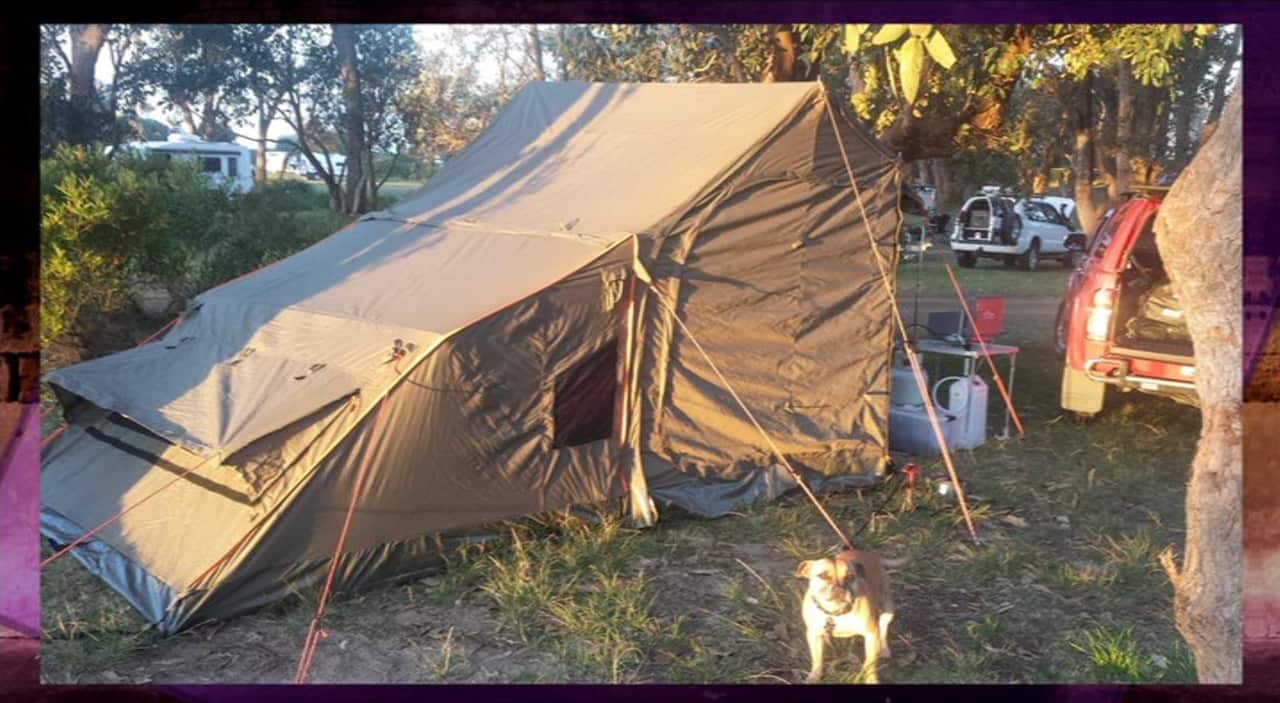 During that time, Mullaly said he felt like a 'failure' despite having graduated from one of the most prestigious military colleges.
Peter Mullaly's tent. Source: Insight
Instead he couch surfed for about two months with friends and even camped out in a tent for about a month.
"I was a functioning person, I'd been through the Royal Military College, I probably had a lot of pride and ego still in me which probably led to hiding (that I was living in a tent)," Mullaly said
While a 2009 Department of Veteran Affairs survey found that on any given night approximately 3,000 veterans were without accommodation, the housing issue isn't limited to veterans.
The state of homelessness in Australia
On any night, approximately 100,000 Australians are homeless, according to the Australian Bureau of Statistics (ABS).
Anglicare CEO Kasy Chambers told SBS Insight the profile of the homelessness is changing as it is becoming more prevalent.
"There are 105,000 people homeless on census night and that sounds like such a huge number but when you actually meet the people, you really realise that there's a different journey for everyone that brings them to this," Chambers said.
"[It's affecting] Young people leaving care, foster care, people coming out of prison. But increasingly also, just people who are starting to see that cycle of missing a rent payment; losing their job or a relationship breakdown," Chambers said.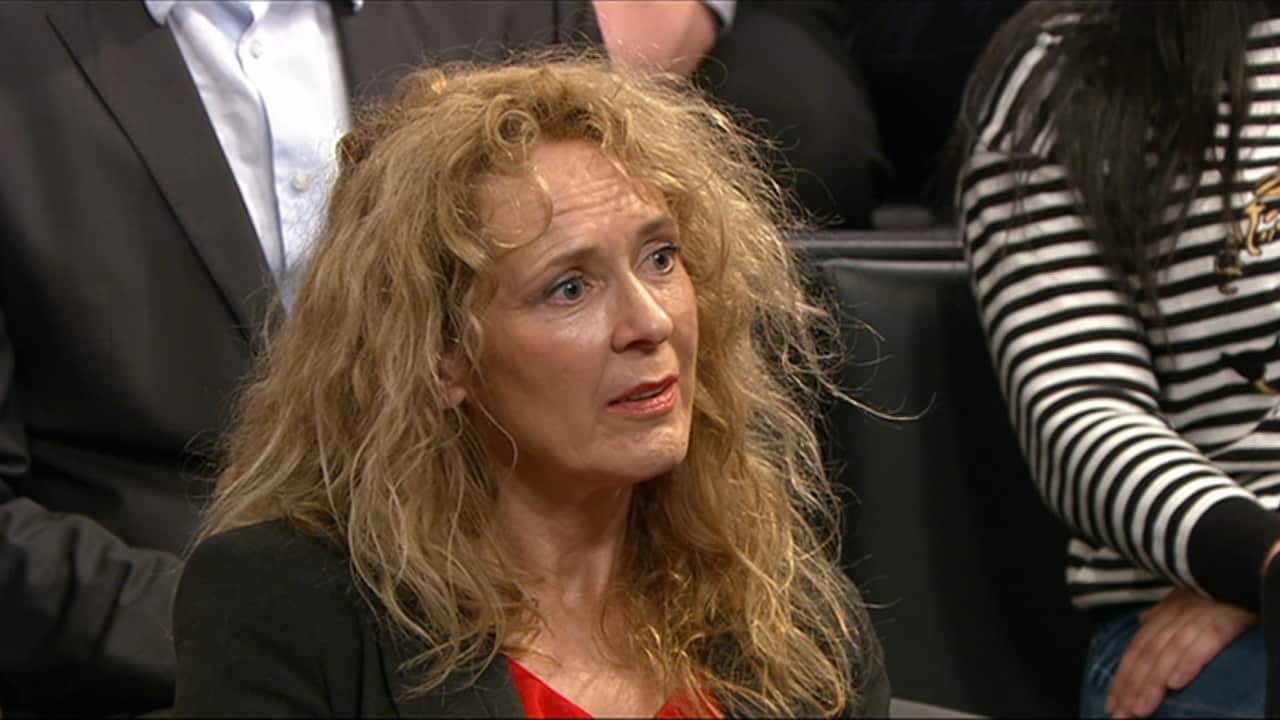 The housing problem isn't just impacting marginalised people who are suffering from mental illness or substance addiction; it’s also about the sheer economics.
CEO Anglicare Australia Kasey Chambers. Source: Insight
A report by Anglicare Australia said the private rental market is becoming out of reach for low income earners, with some 1.6 million people nationwide struggling to pay their rent in 2014.
"We do a rental survey every year. For someone on NewStart, there was (only) one property that was affordable in all the capital cities put together out of 65,600 properties and it turned out that that was sofa in a share house," Chambers said.
"People who've been in the private rental market who are aging, that's a really precarious situation to be in … trying to find that rent every fortnight when you're on the aged pension."
Chambers said the problem has also got to do with supply and condition of the available accommodation.
"So many of the private rental houses that are affordable or private rental dwellings they're not insulated, they not suitable, they've got dodgy electricity, they're not near public transport, they don't support people to live and work and study in good health. So we've got to actually do something about not only the number of houses but actually where we build those houses and how we build them."
"Everybody's story is different and everybody's story deserves hearing and deserves different response, but we need to actually have places for people to move into once they leave homelessness."
To be homeless also has a real flow on effect, and can impact on people's ability to be a functional member of society.
"Home is so much more than a roof over your head, it's somewhere to place your belongings, somewhere to be secure, somewhere to be basically based from so you can participate, take part, contribute, go to work," Chambers said.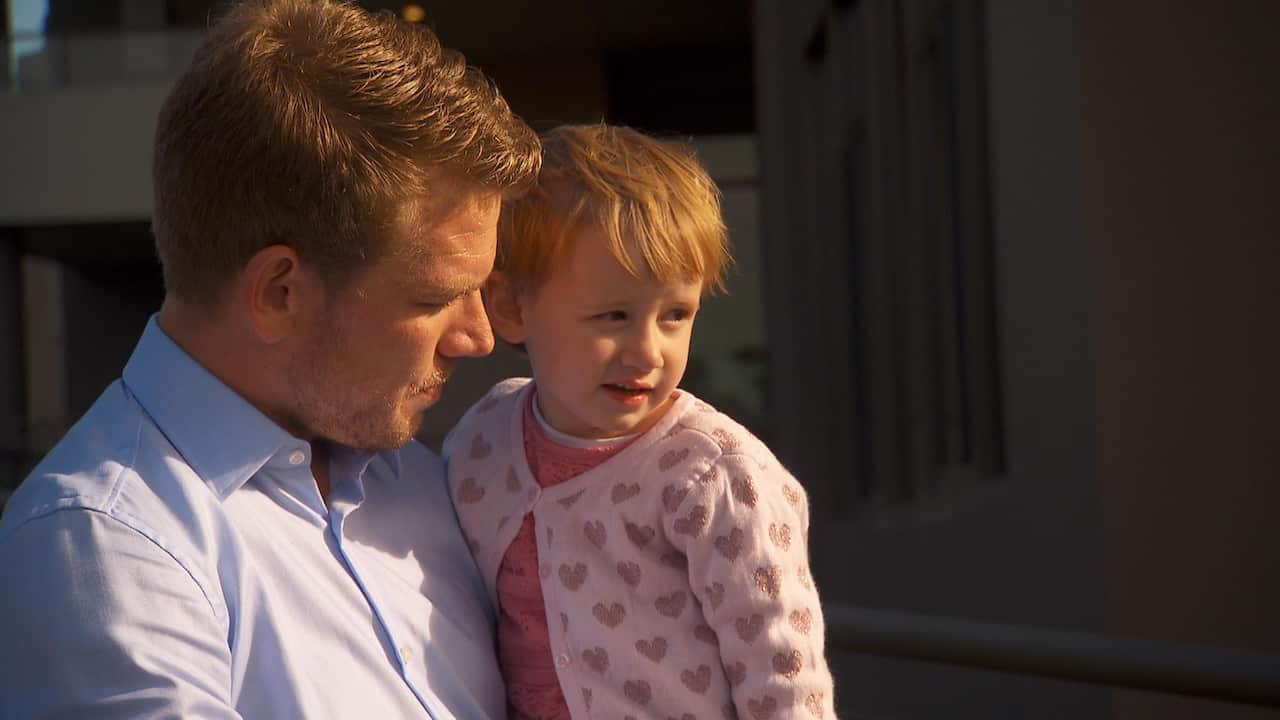
Peter Mullaly with his daughter. Source: Insight
Back on his feet
For Mullaly, being part of the RSL's Homes for Heroes program has allowed him to get back on his feet, living at LifeCare, a shelter for veterans at Narrabeen.
"You know, if I hadn't been introduced into the program, if I hadn't got the house and the rooms, I wouldn't have opportunities like that. It's, and that, in itself, is life changing for a dad to have somewhere to take his daughter and for her to go I want to go to daddy's and I've got a room at daddy's is just priceless."
He told Insight there are a great number of servicemen who are rough sleepers. As part of the program, he now offers help to other veterans who have found themselves in similar situations.
Mullaly says while the scope of this situation is still unknown and fear it's going to be become more apparent as diggers return.
This Tuesday, Insight investigates Australia’s "hidden homeless". Tune in from 8.30pm, Tuesday 23 June on SBS ONE.
Share


