
IN BRIEF
- Women face sexual violence, coercion and trafficking threats to enforce compliance in scam compounds.
- Cyber Security Minister Tony Burke has urged Australians not to engage, and warned messages may come from exploited victims.
This story contains reference to sexual assault.
Cyber Security Minister Tony Burke has warned that Australians who fall for scams may be inadvertently helping fund sophisticated overseas criminal networks manipulating women into a kind of 'fraud servitude'.
A new report has highlighted the harrowing journeys faced by those who are forced into work scamming Australians and other nationals.
They are part of a growing network luring women and girls, some as young as 11, into organised criminal scam centres where they face possible sexual assault, torture and imprisonment.
The Australian Institute of Criminology (AIC) report, released on Wednesday, found that most people trafficked into cyber‑scam centres are young adults from a range of countries seeking better‑paid jobs, under the lure of offers that appear to be legitimate.
News that makes sense
Your trusted source for staying up-to-date with the world around you. Get free daily news updates and analysis, straight to your inbox.
One of the women highlighted in the report, Eva (not her real name), told researchers she travelled to Laos from Uganda after being offered what she believed was a marketing job selling beauty products online.
Instead, she found herself recruited into a sophisticated cyber‑scam centre, manipulated into handing over her passport and told she could not leave unless she paid US$10,000 ($14,000).
Eva was handed a phone and a computer, and indentured into a growing network of transnational crime, scamming everyday Australians against her will.
Burke has warned Australians about such scam networks and its broader harm.
"We always hear about Australians being scammed, and we talk a lot about that. What we often don't understand is that the person on the other end of the computer can be being exploited in the most horrific way as well," he told SBS News.
"If you get a direct message from somebody who you don't know, don't presume that message is from anyone other than a criminal, that that's a simple message.
"It's not just you losing your money. You are also funding an entire operation which is destroying the lives of women overseas."
Report finds many 'scammers' are forced to offend
The report details accounts of acts inflicted on workers to ensure they comply with the scam work "through public demonstrations of violence, punishment, humiliation and degradation".
"Stakeholders provided evidence of victim-survivors being openly assaulted, stripped naked and forced to remain in communal areas to warn others against disobedience. The intent behind these acts of humiliation and demonstrations of violence are to make others afraid for their own safety if they do not comply."
It also made reference to reports of the use of sexual assault as punishment for under-performance and torture used as a method of control.
"Unconventional punishments, such as forcing people to engage in extreme physical activity in the heat, were also described. Some stakeholders spoke about people being left handcuffed standing up or electric shocked at their desks if they fell asleep while they were supposed to be working."
A similar report recently published by INTERPOL indicates that between 2020 and 2025, approximately 74 per cent of identified victims trafficked into scam centres were transported to South East Asia from various parts of the world.
Anti-slavery organisation International Justice Mission estimates up to $18 billion a year is generated from these scam operations in Cambodia alone.
How women are recruited and controlled
The AIC report found that women were more likely than men to be recruited through personal networks, such as friends, family or romantic partners, using social and emotional trust to persuade them to travel.
Girls and young women were described as entering cyber‑scam centres after leaving home with boyfriends or men they had met online, sometimes crossing borders to reach compounds in countries such as Cambodia, Myanmar and Laos.
Women are also commonly recruited through job advertisements posted on mainstream social media platforms, websites and in group chats, including on platforms such as Facebook, LinkedIn, TikTok, Jobstreet and Telegram.
The ads often closely resemble real job postings and may include multiple interview stages, requests for resumes and detailed job descriptions to appear legitimate.
According to the report, some offer very high pay without asking for qualifications, and can be difficult even for highly educated applicants to distinguish from genuine job opportunities.
Life inside scam centres
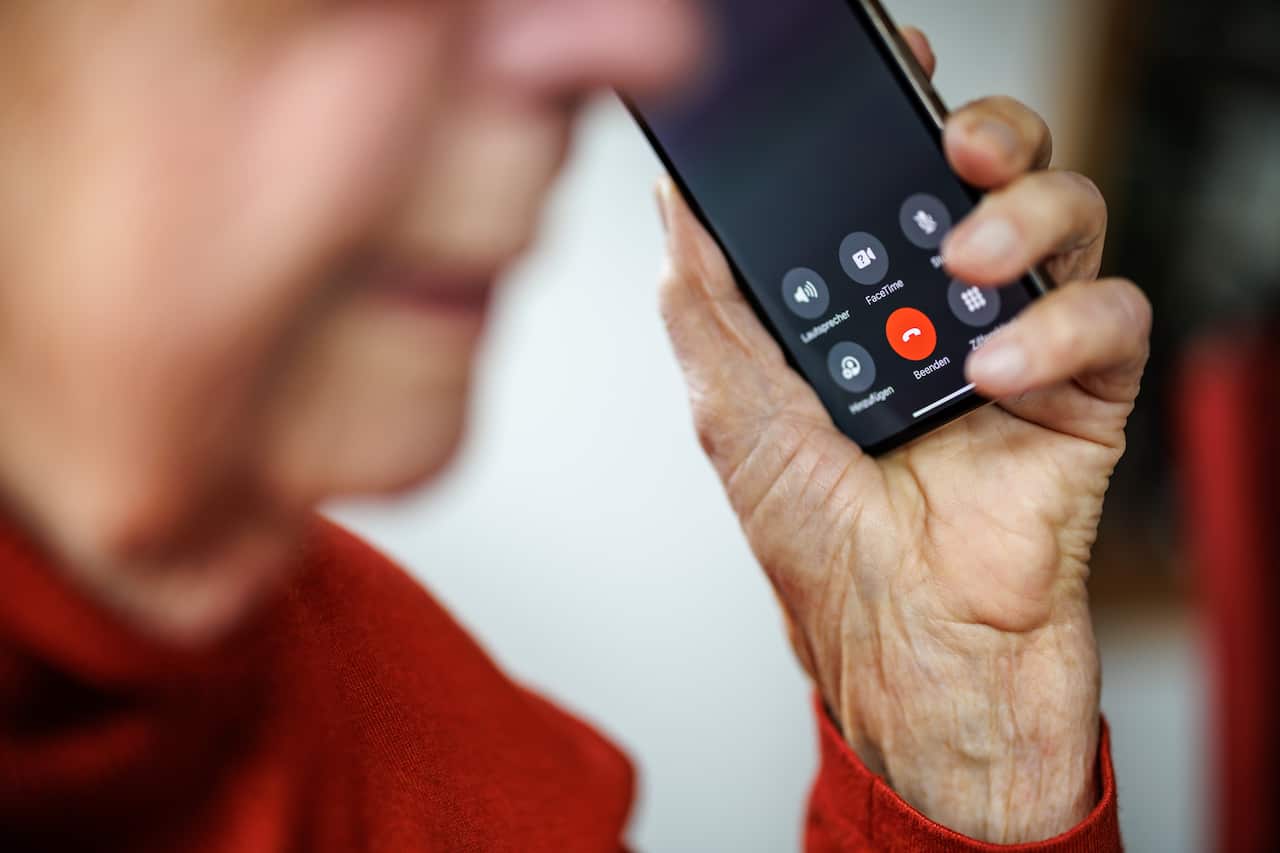
Inside the centres, women are often assigned to romance‑investment scams, where they create profiles on dating apps and social media to build relationships with targets who are then encouraged to invest in fraudulent cryptocurrency schemes.
The report says scammers are given guidebooks, scripts and sometimes access to generative AI to help them shape conversations and respond in character in real time.
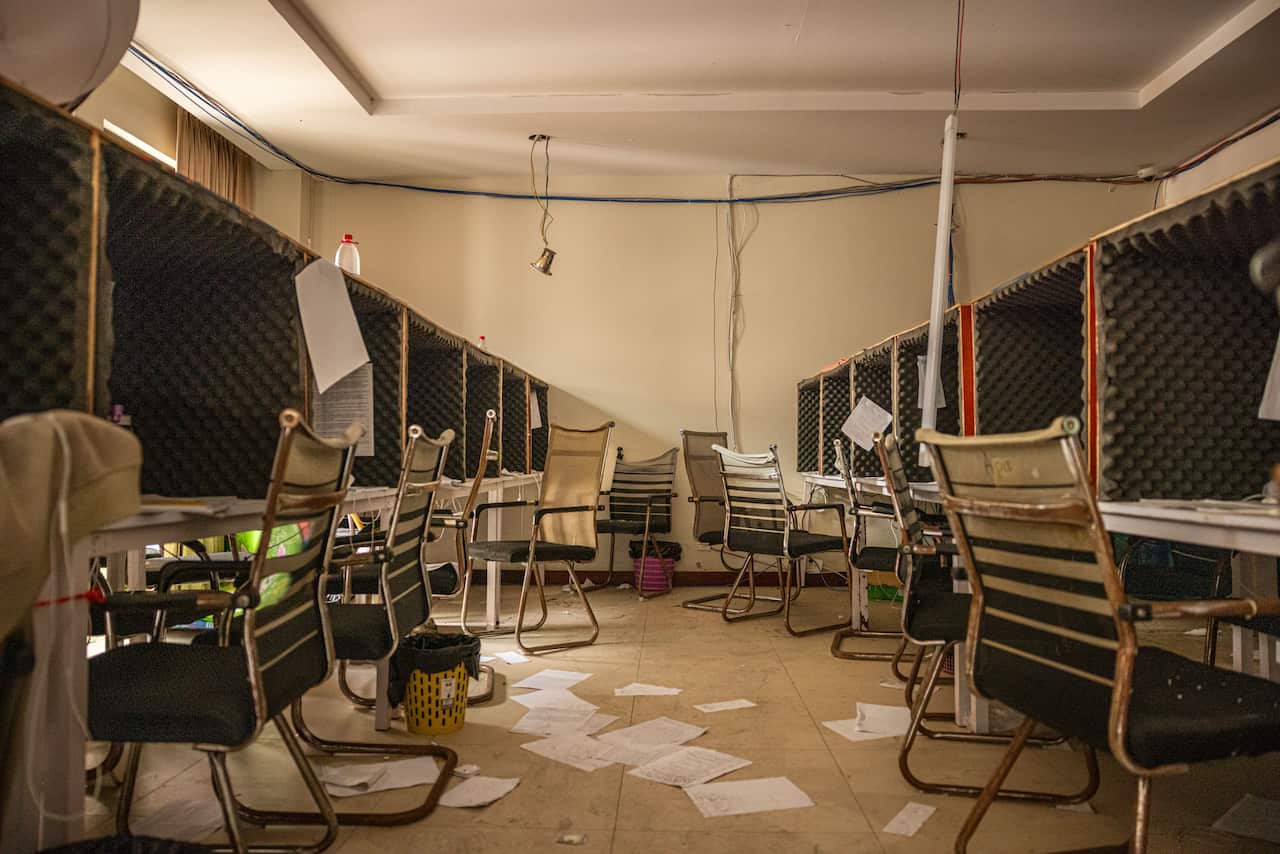
The report found that the experiences of women engaging in involuntary criminality are often shaped by an extra layer of physical, sexual and psychological abuse.
Their bodies, reproductive choices and emotional attachments are described as being systematically controlled, monitored or used as tools of coercion, with threats of sexual violence and re‑trafficking into sexual exploitation used to enforce compliance.
'Women’s bodies used as leverage'
According to the report, women who are unable to meet scamming targets, or who lack the language or technical skills needed for high‑value scams, face the threat of being sold to other compounds or brothels linked to the scam centres.
It found that some women are forced into sex work as punishment.
Stakeholders interviewed for the report described women being sexually assaulted after refusing to work, with the prospect of being re‑trafficked into sexual exploitation used to keep them in line.
In her account, Eva detailed experiencing this escalation after she refused to work at the first cyber‑scam centre, and was sold to another centre to run romance scams by finding the phone numbers of potential targets online.
She said he did not understand cryptocurrency and struggled to do the work, with managers responding by locking her in accommodation with two men and ordering them to rape her as punishment.
She said she became pregnant as a result, and was later trafficked to a third cyber‑scam centre in Laos’s Golden Triangle Special Economic Zone where she decided to do the work, in a bid to save enough money to try to return home.
'It was like a prison'
South African woman Zanele, with a degree in education, learned of a job in Bangkok when a friend shared a social media post about a customer service role.
She was familiar with the region and wary of online scams, so she tried to check that the offer was genuine, and found that the recruitment process seemed similar to other jobs she had applied for.
Upon her arrival in Thailand, she was driven across the border into Myanmar to an isolated cyber‑scam centre.
Three days later, she was told she had been brought there to work as a scammer, given a script and training material and, when she asked to leave, told she would have to pay US$300,000 ($420,000) to get out.
Zanele described the compound as being like a prison, with overcrowded rooms, iron bunk beds without mattresses and long working days of between 14 and 21 hours.
In the report, she described being forced to pretend to be five different characters online and punished when she made mistakes, including with penalties ranging from having extra money added to her debt to being beaten or forced to run in the sun.
She told the AIC that men and women were punished in similar ways, but girls as young as 12 who did not perform well as scammers were trafficked into sexual slavery.
After escape, trauma and blurred lines
For those who manage to escape the elaborate schemes, the report found the impacts are long‑term.
Zanele eventually used her outgoing nature to build rapport with some managers, teaching them to dance and sing.
After about nine months, she persuaded the organisation to let her return home temporarily to visit her sick mother.
Her debt was cut to about one‑third of the original amount and she borrowed money in South Africa to pay it back.
She never returned to the scam centre but later experienced severe post‑traumatic stress, nightmares and depression, and could not afford mental health support.
Even after leaving, the report says survivors continue to face debt, stigma and fear that those who trafficked them could seek revenge.
Researchers also found that many victim‑survivors do not see themselves as victims because they were involved in scamming or recruiting others under pressure.
They reported feeling shame about deceiving people, and concern that if they speak up they will be treated as offenders rather than supported.
Australians footing the bill
In 2025, Australian authorities identified tens of thousands of victims of scams.
Burke told SBS News that regional partners are cooperating in a bid to try to bust the scammers' business model.
"There's a tremendous amount that our authorities do, and in particular, this has been one of the frontline issues of the Bali Process, which is co-chaired with Australia and Indonesia," Burke said.
"You are looking here at organised crime creating pain in every single direction, and that's why Australia is well engaged with our partners in Asia, to be able to take on and deal with these scam centres.
"But a big part of that is also to try to stop Australians from engaging in these scams, for people to be eyes wide open. There is nothing more effective in destroying these centres than killing the market itself."
If you or someone you know is impacted by sexual assault, call 1800RESPECT on 1800 737 732, text 0458 737 732, or visit 1800RESPECT.org.au. In an emergency, call 000.
For the latest from SBS News, download our app and subscribe to our newsletter.







