
Cycling's most prestigious race is back for its 112th edition and likely to be as hot, brutal, long and challenging a contest as ever, with riders tackling 3,339 kilometres on roads across France over three weeks.
The Tour de France begins on 5 July, with 184 riders representing 23 teams taking part.
This year the race will be held entirely in France, the first time it hasn't held stages in other countries since 2020.
It will culminate in a spectacular finish along Paris' Champs-Élysées, marking 50 years of the iconic finish line in the city's heart.
Explore all 21 stages of the route and further key information about the 2025 Tour de France below.
News that makes sense
Your trusted source for staying up-to-date with the world around you. Get free daily news updates and analysis, straight to your inbox.
Breaking down the Tour de France route
This year's race is made up of seven flat stages, six mountain stages, six hilly stages, two time trials, and two rest days.
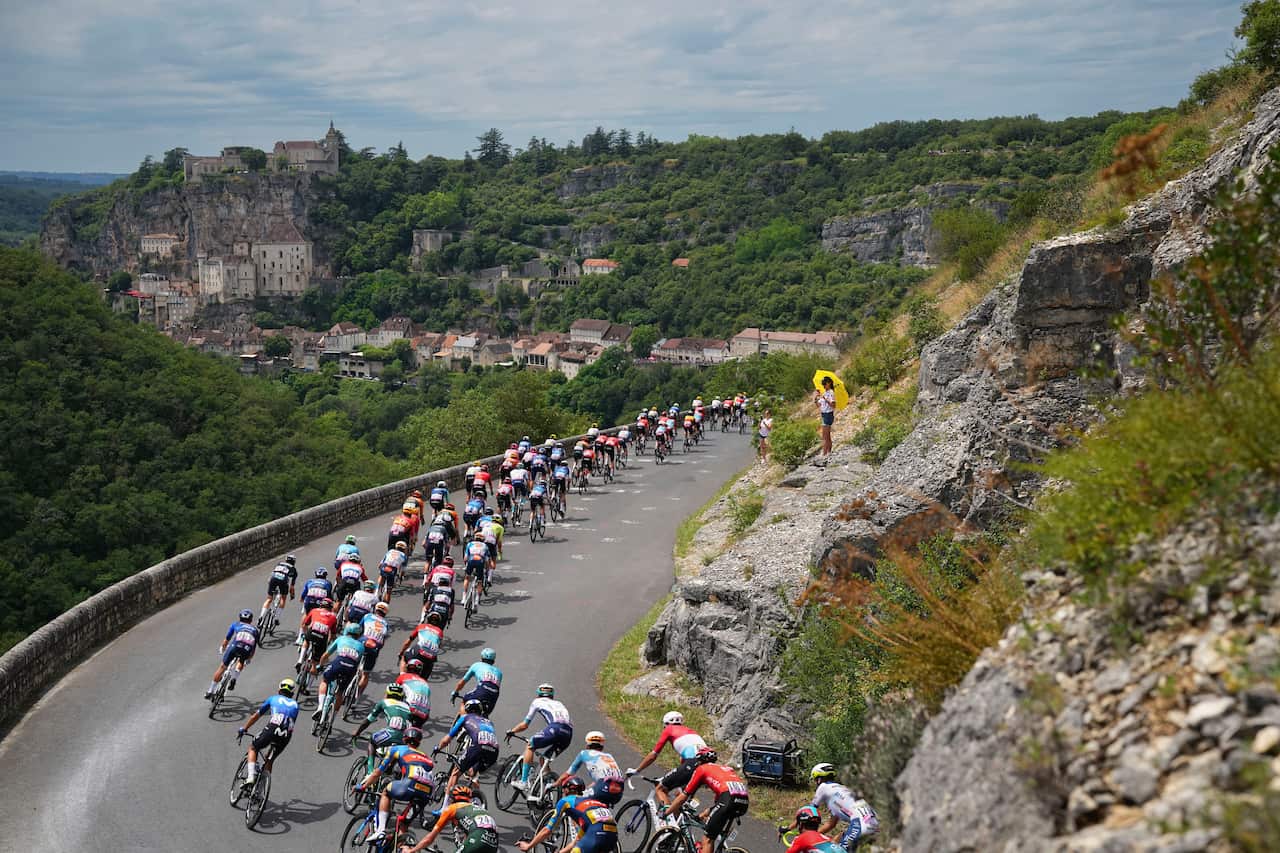
The route includes:
- 52,500m of total ascent.
- 2,304m — biggest climb, Col de la Loze.
- Eight towns that haven't had the tour visit before.
What are the important jerseys for the Tour de France?
The yellow jersey, or maillot jaune, is one of the most iconic pieces of apparel in global sport and is worn by the race's overall leader, changing depending on who that is.
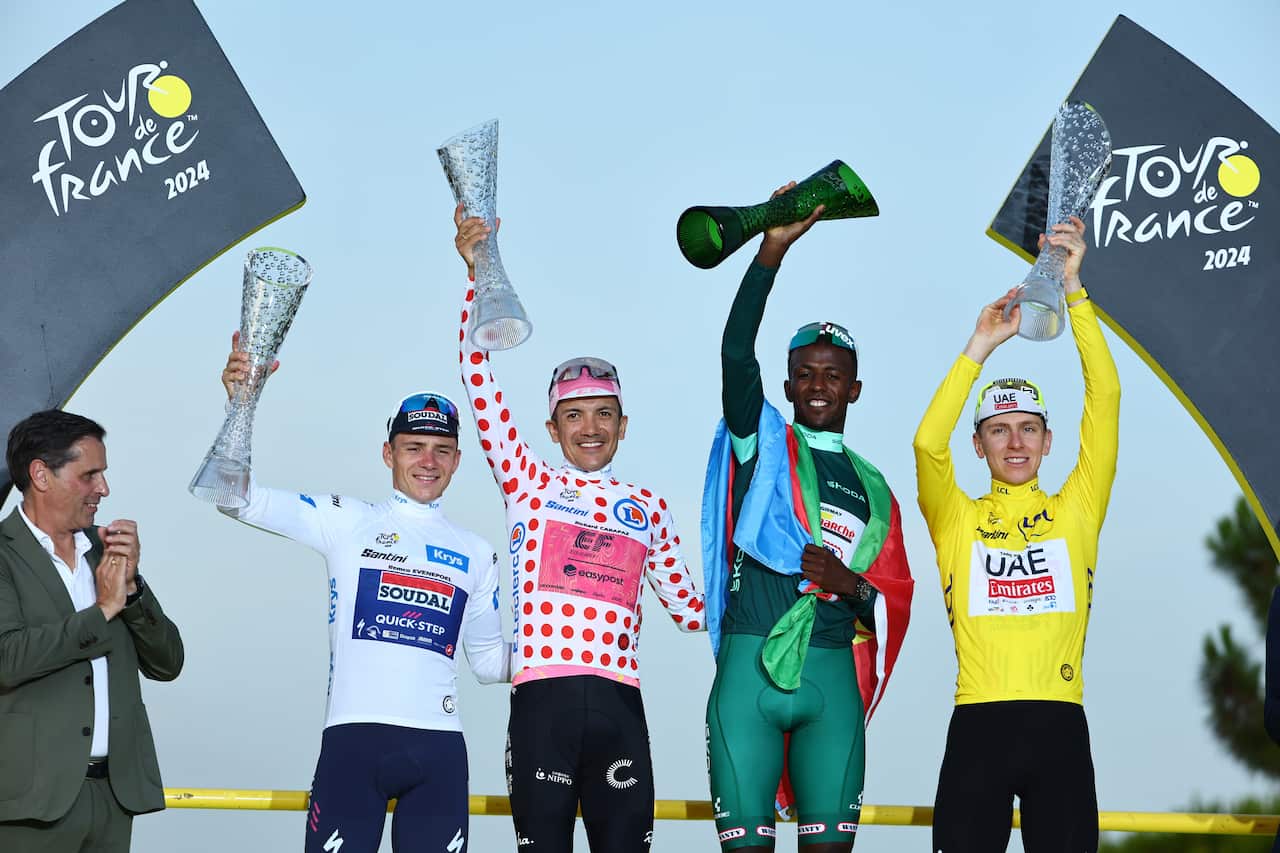
Here's a breakdown of the important jerseys:
- Yellow: Race leader. The rider with the lowest accumulated time since the tour's beginning.
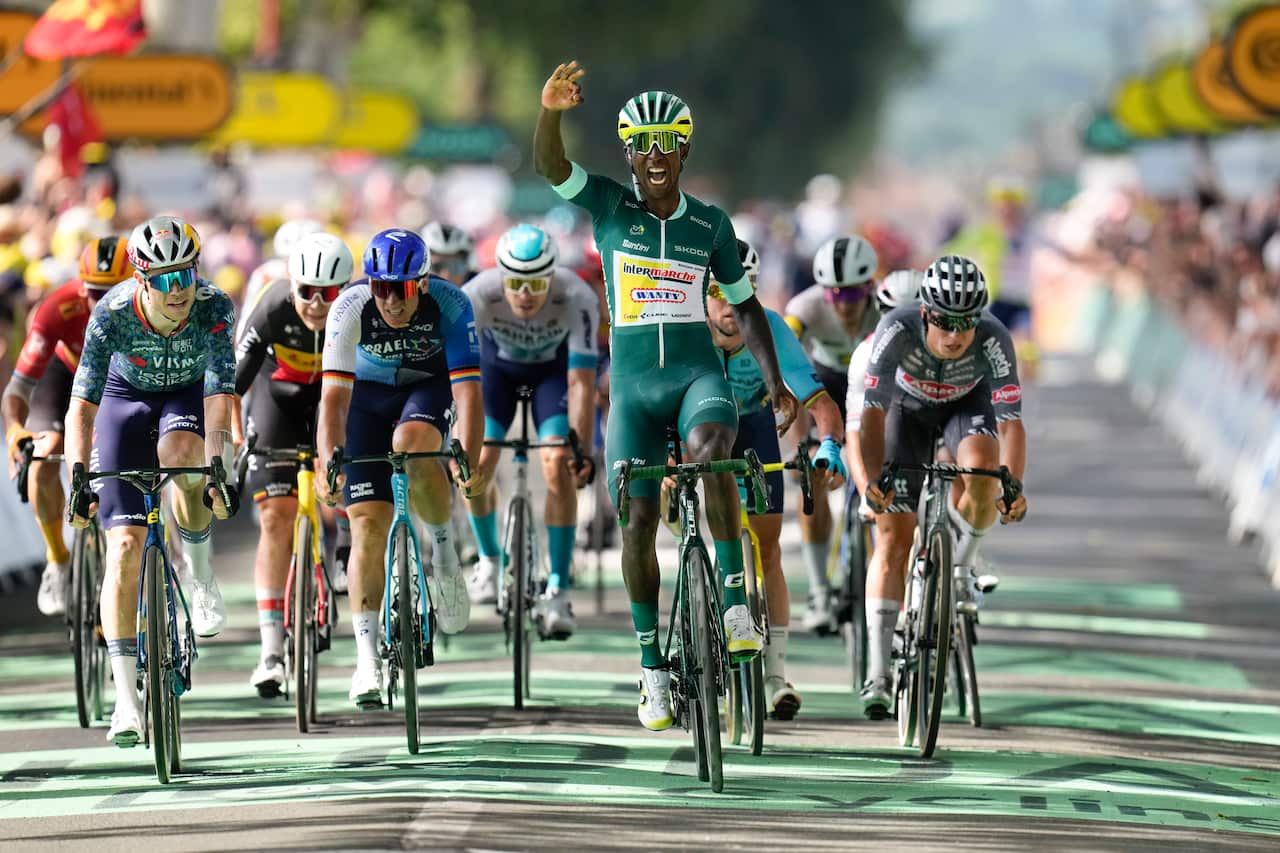
- Green: Leader of the points. Usually, a sprinter who has collected points for finishing stages first.
- Polka Dot: 'King of the Mountain'. The rider with the most points from winning designated climbs.
- White: Best young rider (under 26) with the lowest overall time.
The tour's overall winner is the competitor with the lowest combined time across all 21 stages. Usually, they are an all-rounder — good at sprinting, climbing and time trials.
Who are the favourites
While some teams acknowledge they cannot win the overall title and will instead aim to win specific stages, elite teams are chasing the general classification (GC) win, which means achieving the shortest overall time.
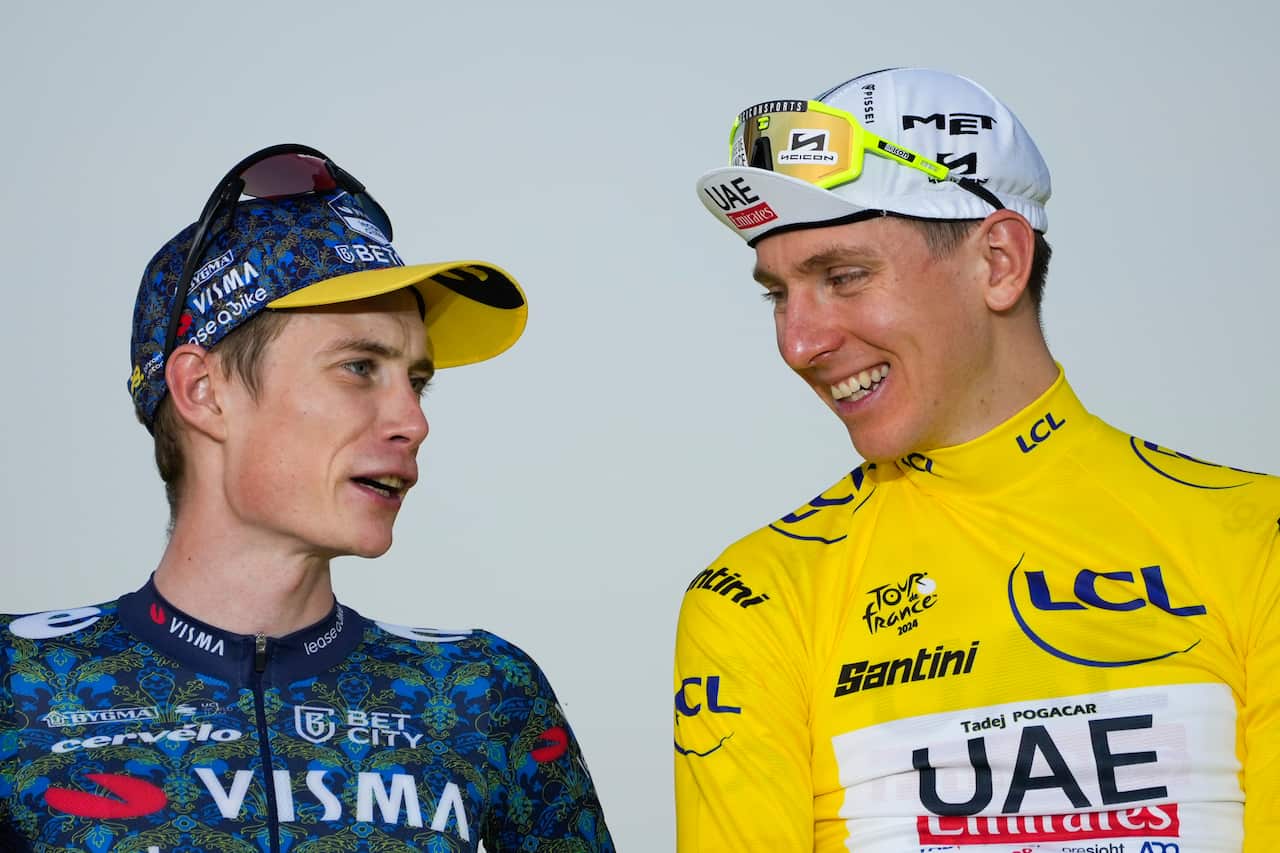
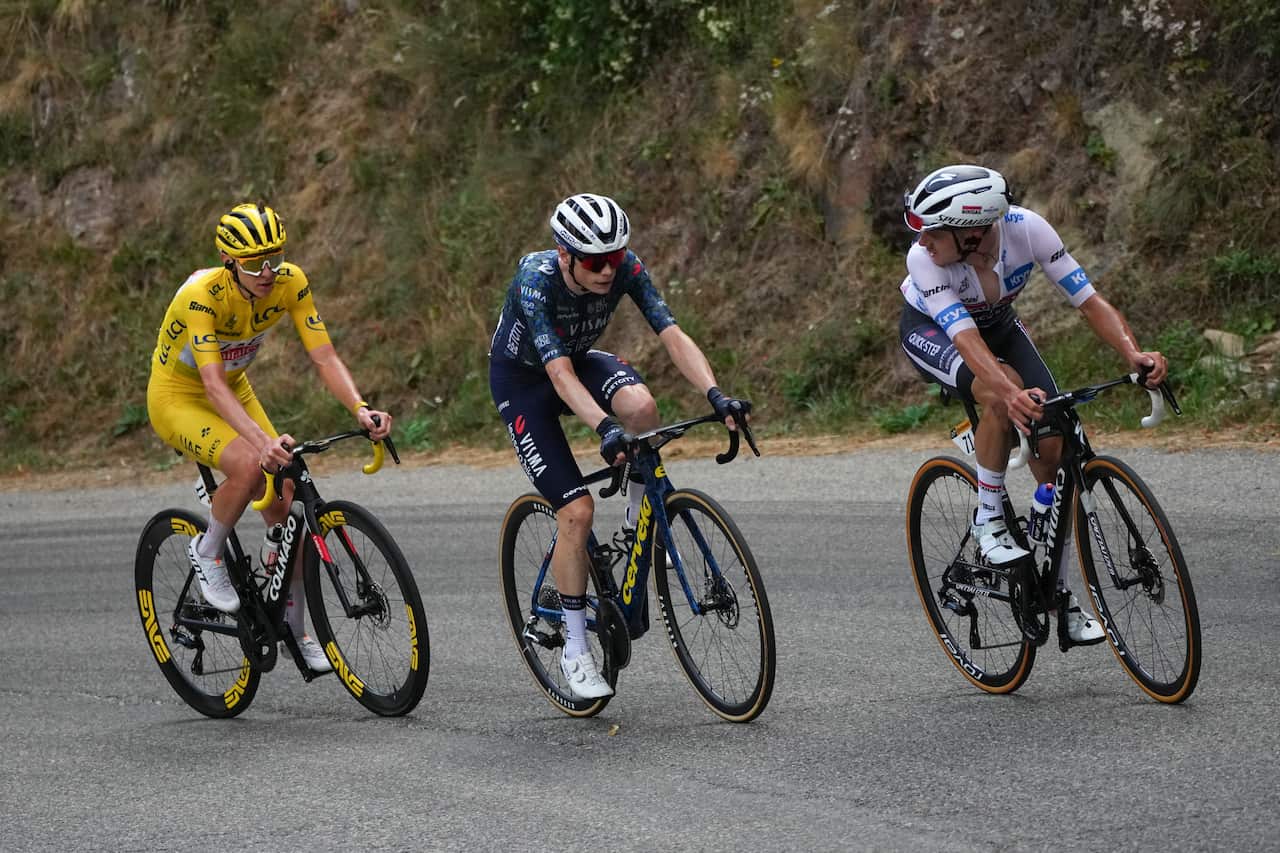
Top GC rider Jonas Vingegaard will be determined to reclaim his overall title against rival Tadej Pogacar, and last year's best young rider Remco Evenepoel is also considered a threat, as are Primoz Roglic, Felix Gall and Carlos Rodriguez.
After three weeks of incredible performances, Pogacar won the final stage time trial in Nice and won the race by a hefty margin of six minutes and 17 seconds last year and taking six stage wins.
Cadel Evans became the first and only Australian to win the race in 2011, converting a new wave of Tour fans.
This year, 10 Australians will be in the peloton, including Luke Durbridge, Ben O'Connor and Luke Plapp of Team Jayco AlUla.
What do riders eat?
Cyclists expend between 17,000 and 29,000 kilojoules (KJ) per stage of the race, up to 3.5 times the average recommended male adult intake of 8,700 kJ on hard days.
An estimated 37,000 water bottles will be consumed, filled with water and/or highly sugary carbohydrate mixes to maintain riders' glycogen levels.
They'll also eat gels, energy bars and rice cakes while in the saddle, usually passed to each other by a 'domestique' rider during the race, and consume high-protein meals shortly after the race finishes and then again for breakfast and dinner.
How can Australians watch the 2025 Tour de France?
All 21 stages of the 2025 Tour de France will be live-streamed in full on SBS On Demand, with live television coverage beginning on SBS at a slightly later time on most nights.
With catch-up replays as well as extended highlights and analysis available throughout the three weeks, SBS and SBS On Demand are the places to keep up to date.
Fans will also have access to a new mobile-optimised Race Centre on the SBS Sport website.
The Race Centre will provide key statistical features, including live tracking of riders to help follow the race.
Watch all the best cycling events in the world on SBS On Demand, with the Tour de France, Tour de France Femmes and much more.







