In Brief
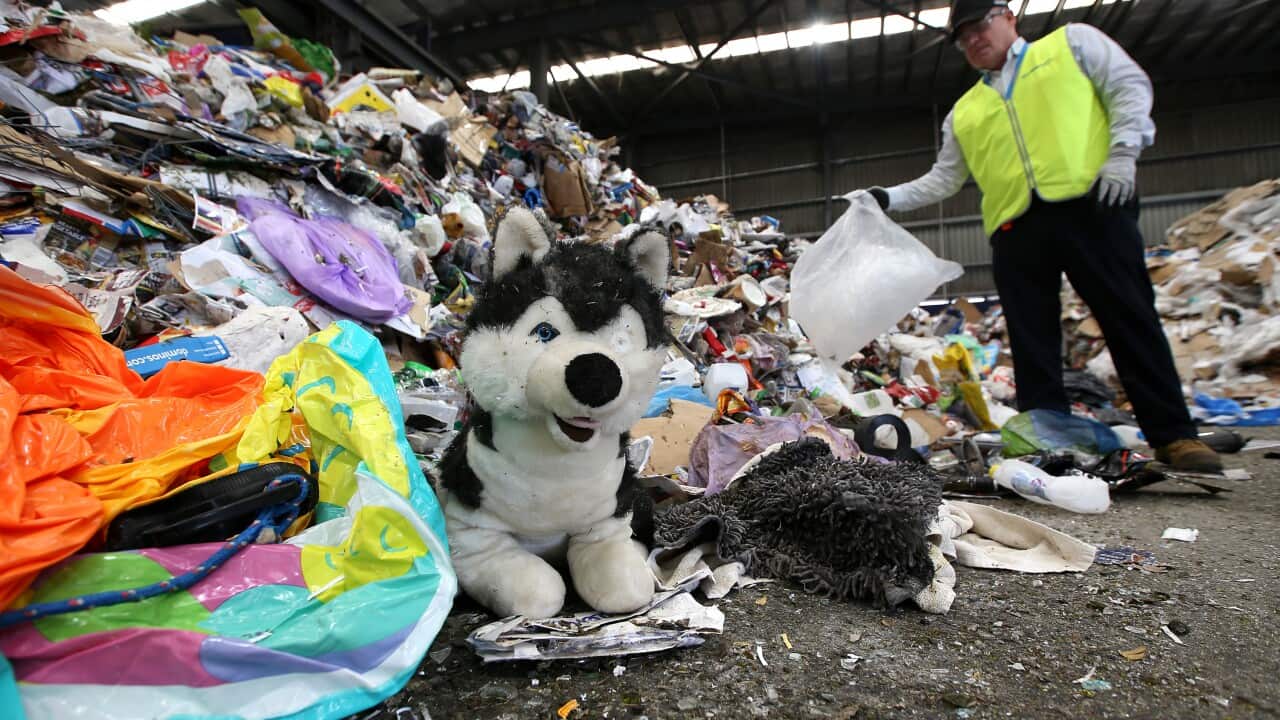
- Sydney's landfill capacity is expected to run out by 2030, with energy-from-waste plants a possible solution.
- However, such plants — which burn rubbish to generate heat, steam and electricity — are currently banned in Sydney.
Will country Australia become the city's dumping ground?
That's the question at the centre of an inquiry into the proposed development of rubbish incinerators in rural NSW, after the state government banned the same facilities in Sydney.
With the capital city's landfill capacity expected to run out by 2030, energy-from-waste plants that burn rubbish to generate heat, steam and electricity have been touted as a sustainable solution.
A facility earmarked for Parkes, in central western NSW, would process 732,000 tonnes of Sydney's rubbish per year, producing enough energy to power 100,000 homes.
More than 350,000 tonnes of waste would be processed annually at a plant at Tarago, 70km from the nation's capital.
News that makes sense
Your trusted source for staying up-to-date with the world around you. Get free daily news updates and analysis, straight to your inbox.
The developers of each project say their technology is state-of-the-art, minimising emissions and prioritising human and environmental health.
Similar facilities operate in Sweden, Denmark, Japan, Singapore, Vienna and China, while Australia's first plant in Western Australia is set to divert 460,000 tonnes of rubbish to generate 38 megawatts of power each year.
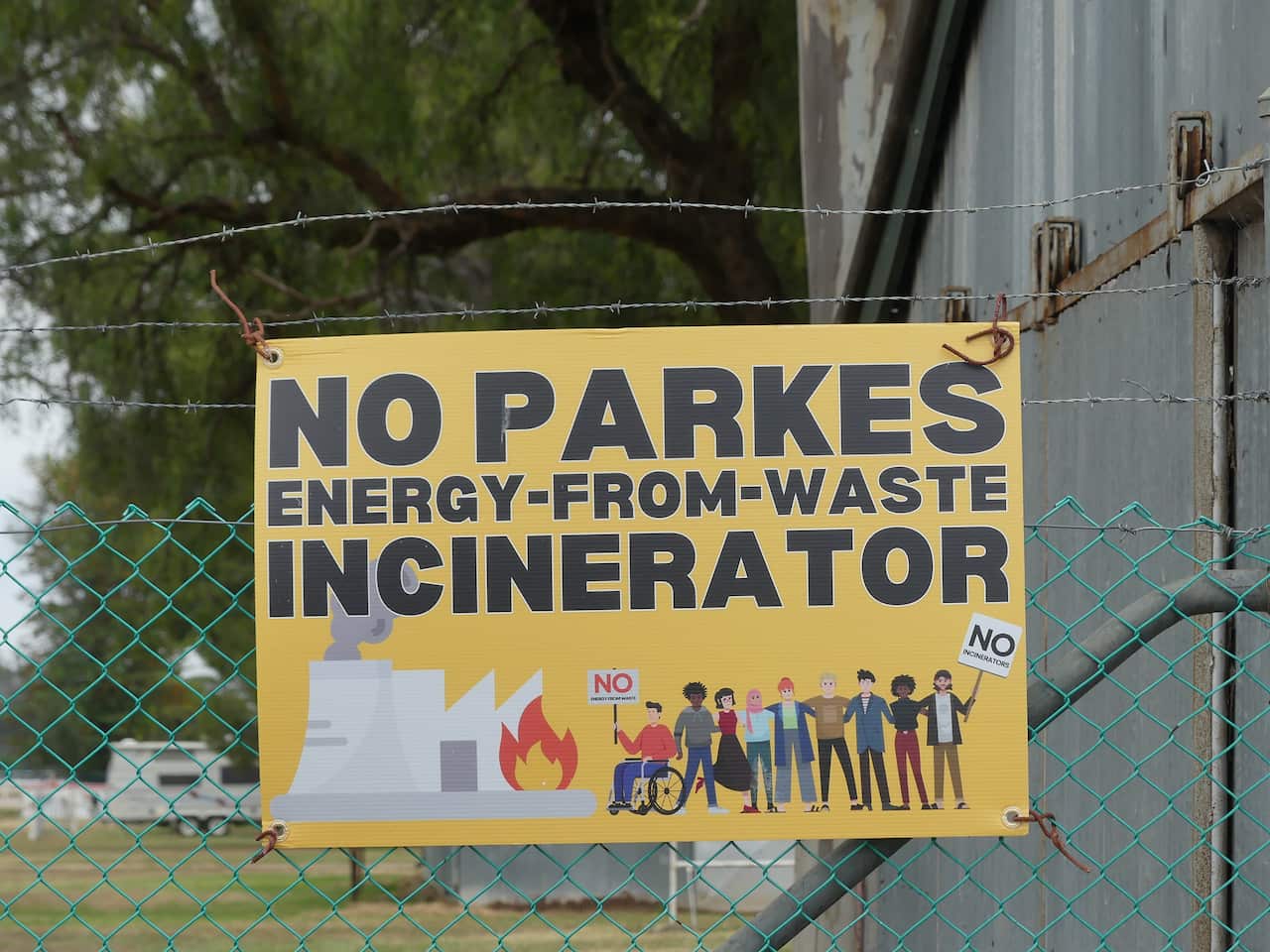
However, both NSW communities have launched dedicated campaigns in opposition, raising alarm over potential pollution, soil toxins and high water use.
The inquiry has received 1,400 written submissions, with a hearing to be held in Parkes on Tuesday.
Incinerator protest
Farmers are concerned about how the incinerators may affect their produce, small business owners worry about deterring visitors, while young people fear worsening climate change.
A submission from Parkes Clean Future Alliance, a large community organisation opposed to the plant, argued rural communities were being treated as "the dumping ground for the city's environmental burdens".
Parkes was being expected to take on energy-from-waste operations, despite the government amending planning laws in 2022 to prohibit the facilities across greater Sydney, it said.
"Applying the precautionary principle to protect large populations while designating a handful of regional towns to bear the same risks is inequitable and indefensible," the group's submission said.
"If (energy-from-waste) is unsafe enough to be prohibited for some NSW residents, it should be prohibited for all."
Parkes mayor Neil Westcott said the proposed development created anxiety across the region, with minimal effort from government or developers to establish a social licence.
"Equity must prevail, regional communities like Parkes should not be expected to carry the burden of metropolitan waste without safety reassurance, commensurate support, safeguards, and benefits," Mr Westcott wrote.
Councils, community groups, Indigenous organisations and farmers will give evidence at the Parkes hearing.
For the latest from SBS News, download our app and subscribe to our newsletter.







