
Daniel Mateo's words were the unexpected weapon he drew out on stage in front of hundreds of people on Tuesday night.
A western Sydney theatre, filled with a crowd of more than 300 people, had its lights dimmed and the spotlight shining on the 21-year-old man with a microphone.
There, he said he was able to reclaim the language that never belonged to his people in the first place.
Daniel, who is Gomeroi and Tongan, and originally from central NSW, said he's always subconsciously centred his Aboriginal heritage in his poetry.
"[Poetry] is something I do for myself, I guess reclaiming English because English isn't my people's first language," he told SBS News.
News that makes sense
Your trusted source for staying up-to-date with the world around you. Get free daily news updates and analysis, straight to your inbox.
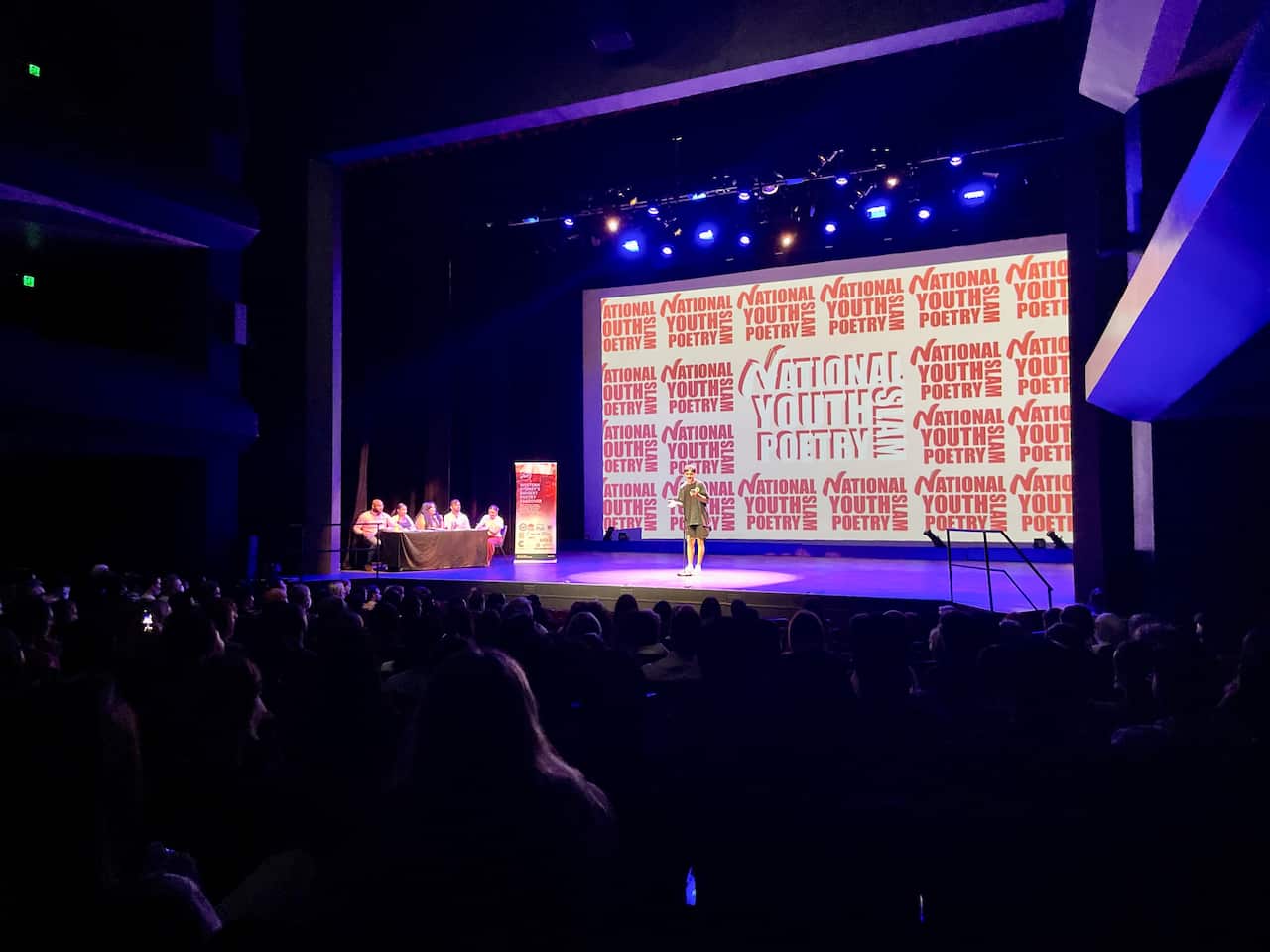
"[It's about] reclaiming it, and using it as kind of a weapon to educate and bring love and light for people who don't understand," he said.
Daniel packed a punch with both prose and rhythm, linking his connection with Country through how "we reclaim our bodies back to the sun and give it back to the land when we bathe in it".
He was among 20 contestants who took the stage at Riverside Theatres in Parramatta, where Australia’s youngest and most talented minds took on the country's first-ever national youth poetry competition, hosted by Bankstown Poetry Slam.
Described as "western Sydney’s biggest poetry takeover" through the region's postcodes that have bred a culturally diverse demographic, the event transcended state borders on Tuesday night.
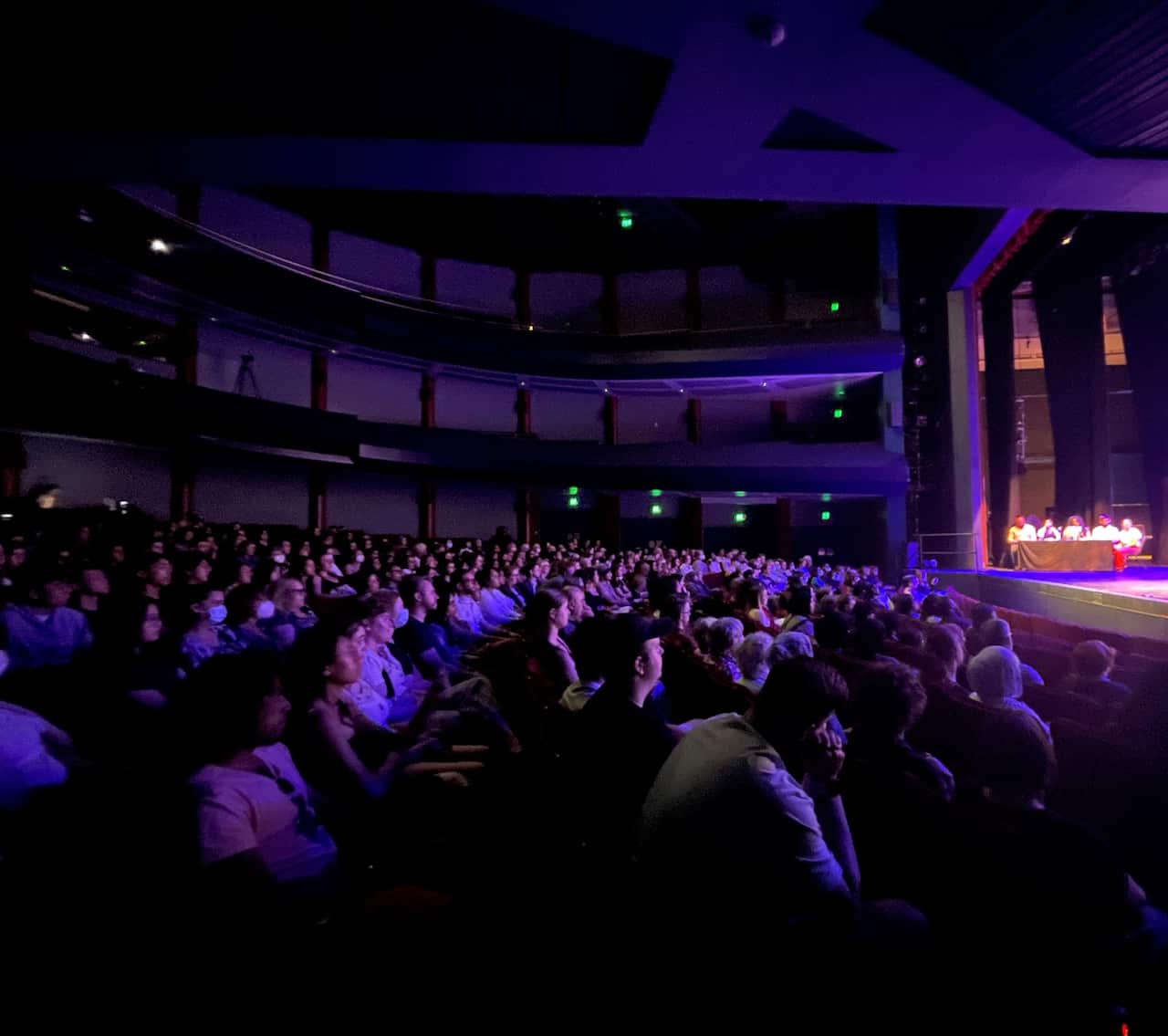
Performers aged between 11 and 24 came from all major capital cities to share their personal stories onstage.
They touched on a range of issues that mattered to them, ranging from Islamophobia, racism, family ties, LGBTIQ+ issues and cultural heritage from both emerging and seasoned performers.
At age 13, Mallak Farhan migrated to Australia in March this year from Iraq, barely knowing a word of English.
She said while she thought performing might be too hard for her as a newer migrant, she rose to the occasion and made her and her family proud.
For Mallak, reciting poetry wasn't just an outlet to express herself - it was a challenge to overcome her lack of confidence in her second language.
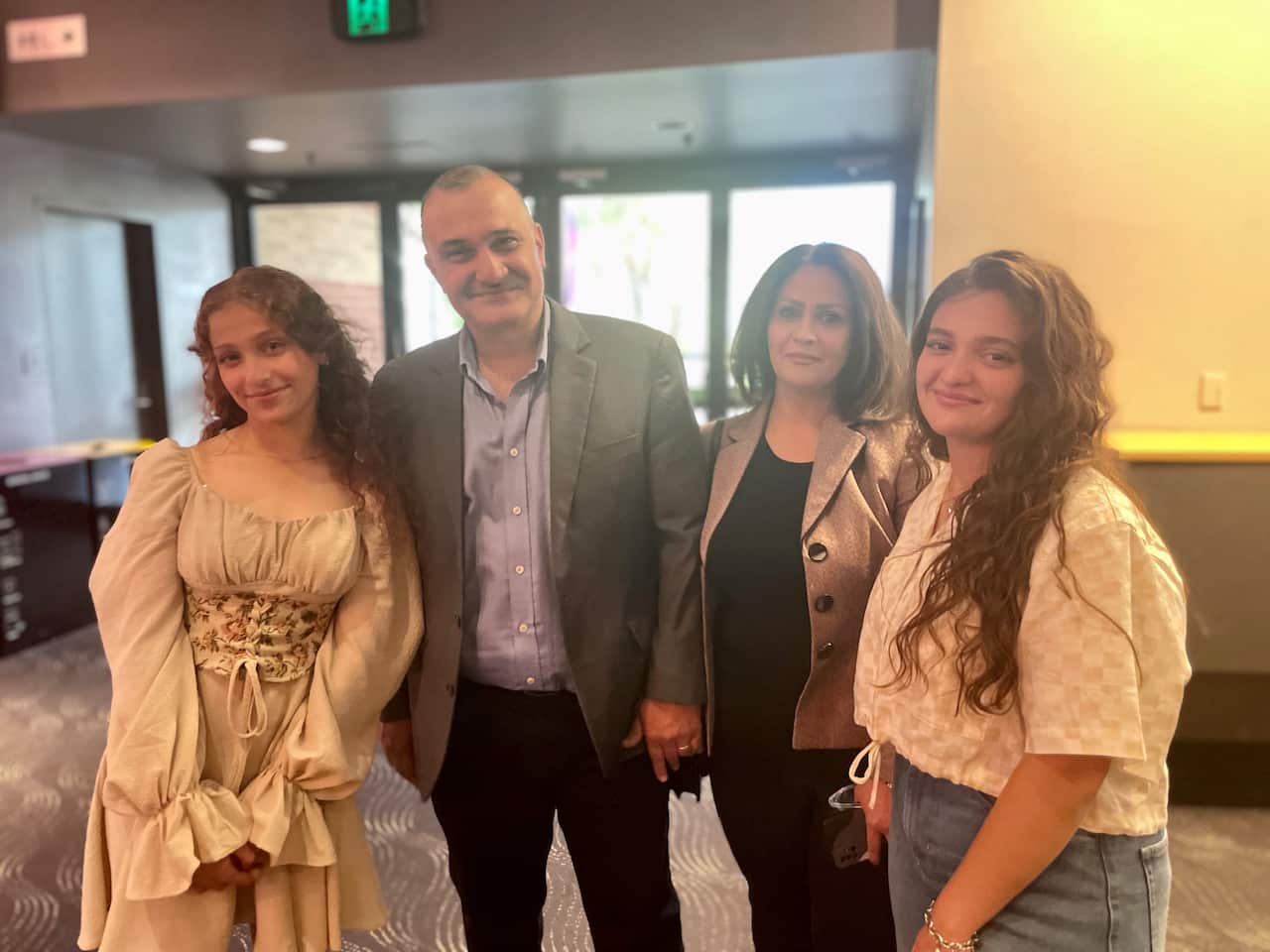
"When I first started studying poetry ... felt like it would be too hard for me and that I couldn't do it because I'm an Iraqi and English is not my mother language," she said.
After writing her first poem, she said she felt more confident and brave - eventually finding herself on the grandest stage in the country for Australia's youth, where she expressed both her love and hatred for her home country of Iraq.
"I can't feel like there's a wall in front of me and I can't talk [about] anything, no, the opposite. I can say whatever I like, I can express my feelings in poetry," she said.
Mallak was involved in one of many youth-centred events held by Bankstown Poetry Slam across the last two weeks as part of the Brave New Word festival, where mentors provided spoken word poetry workshops to high school students across NSW.
For Slam co-founder, Sara Mansour who spearheaded the two-week festival, giving a voice to Australia's diverse youth was a critical gap that needed to be filled on a national scale.
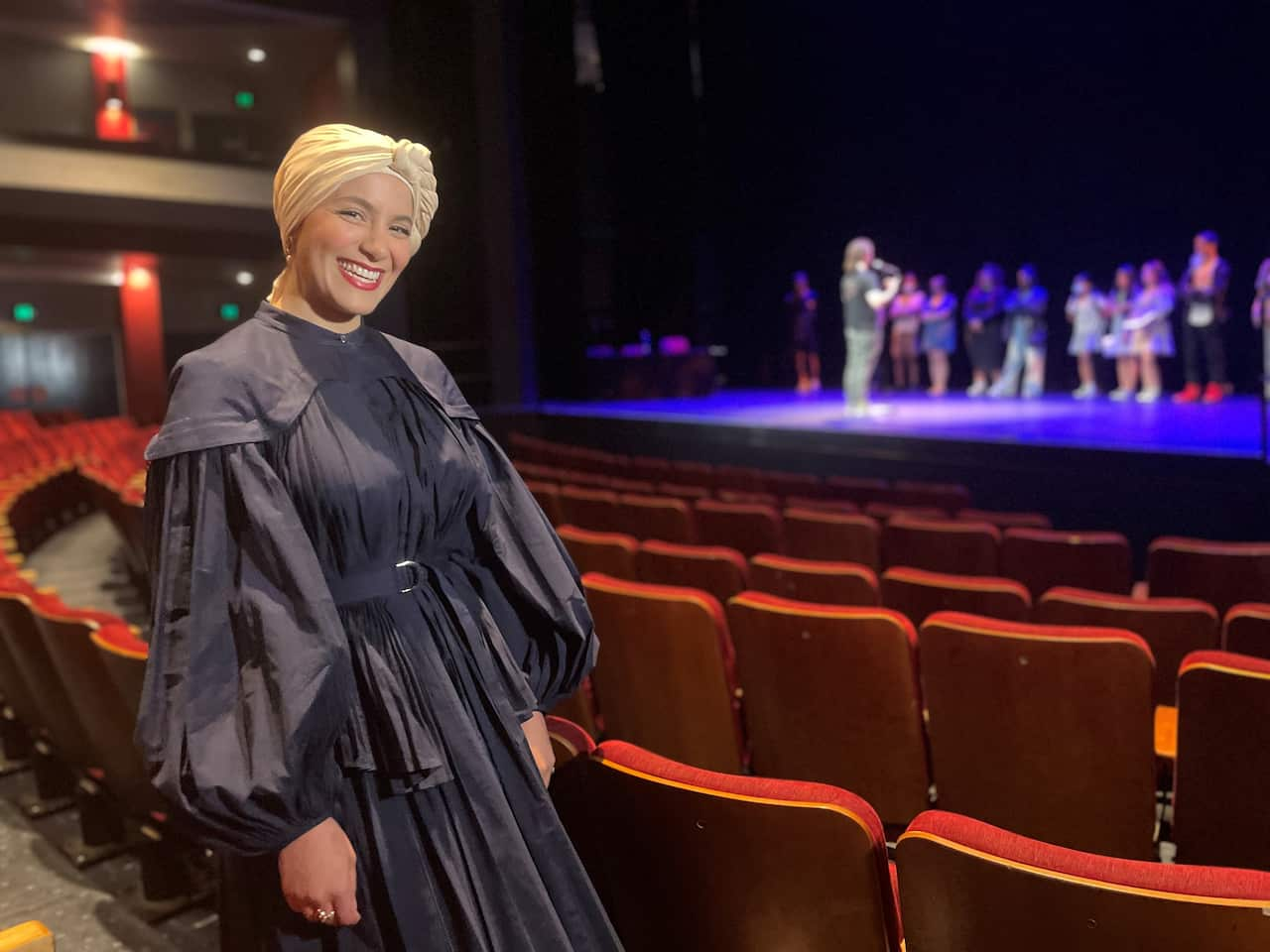
"These young poets are from really diverse backgrounds, which means that they naturally come from oral storytelling traditions," Sara said.
"That just influences the way that they see the world, the way that they see words, and the way that they move through the world is really different."
Bankstown Poetry Slam received dozens of video submissions from around the country and selected the best 20 to take the stage with a mic and a spotlight on Tuesday.
A panel of silent judges provided words of encouragement after each performance, with no public scoring to keep the time in the spotlight an affirming one, particularly for its young poets.
The eventual winner, Mohammad Awad, whose poem touched on faith and sexuality, said the stage harnessed a space for himself and his fellow poets to belong.







