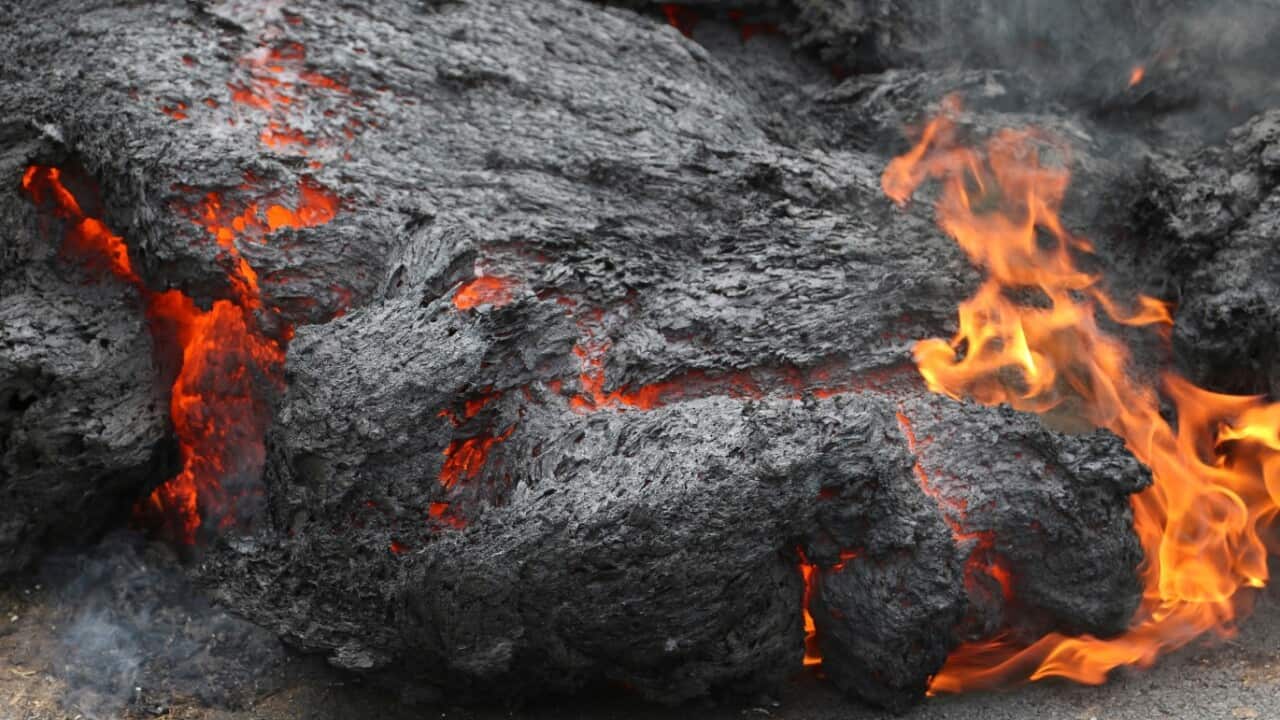
The decimated homes are all located in the Leilani Estates residential subdivision, where molten rock, toxic gas and steam have been bursting through openings in the ground created by the volcano.
More than 1700 people have been evacuated and many face the possibility it could be some time before they can return home.
"That number could change," Hawaii County spokeswoman Janet Snyder said of the number of homes destroyed.
Amber Makuakane, 37, a teacher and single mother of two, said her three-bedroom house in Leilani Estates was destroyed by lava.
News that makes sense
Your trusted source for staying up-to-date with the world around you. Get free daily news updates and analysis, straight to your inbox.
The dwelling was across from a fissure that opened on Friday, when "there was some steam rising from all parts of the yard, but everything looked fine," Makuakane said.
On Saturday morning, she received alerts from her security system that motion sensors throughout the house had been triggered. She later confirmed that lava had covered her property.
There is no indication when the lava might stop or how far it might spread.
"There's more magma in the system to be erupted. As long as that supply is there, the eruption will continue," US Geological Survey volcanologist Wendy Stovall said.
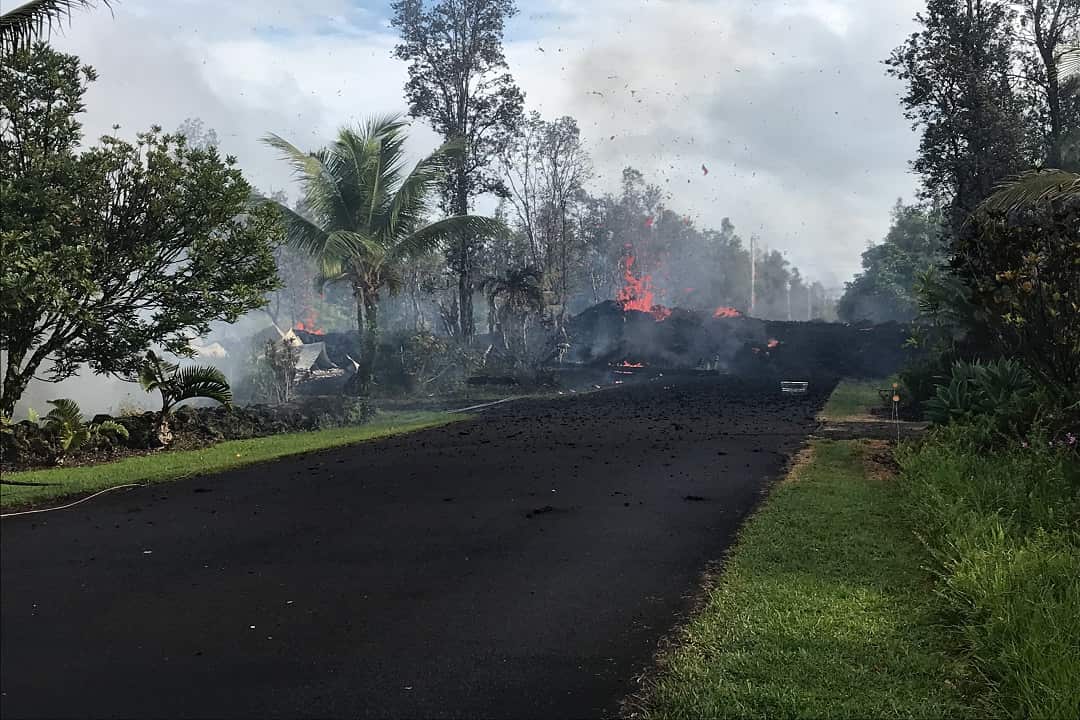
Some residents returned home briefly on Sunday to rescue pets, retrieve essential medicines and documents, officials said.
Kilauea one of the world's most active volcanoes, has been erupting continuously since 1983.
The USGS's Hawaiian Volcano Observatory issued a notice in mid-April that there were signs of pressure building in underground magma, and a new vent could form on the cone or along what's known as the East Rift Zone. Leilani Estates sits along the zone.







