
Key Points
- Australia’s nearest neighbour is one of the few countries in the world with no female MPs.
- In a shock result in the last general election in 2017, no women were elected.
This article contains reference to domestic violence
As Papua New Guinea goes to the polls, a small number of female candidates are hoping to break the hold men have on the country’s parliament.
Australia’s nearest neighbour is one of the few countries in the world with no female MPs. In a shock result in the last general election in 2017, no women were elected, with PNG joining a handful of countries (currently Tonga, Vanuatu and Yemen) with a men’s only club.
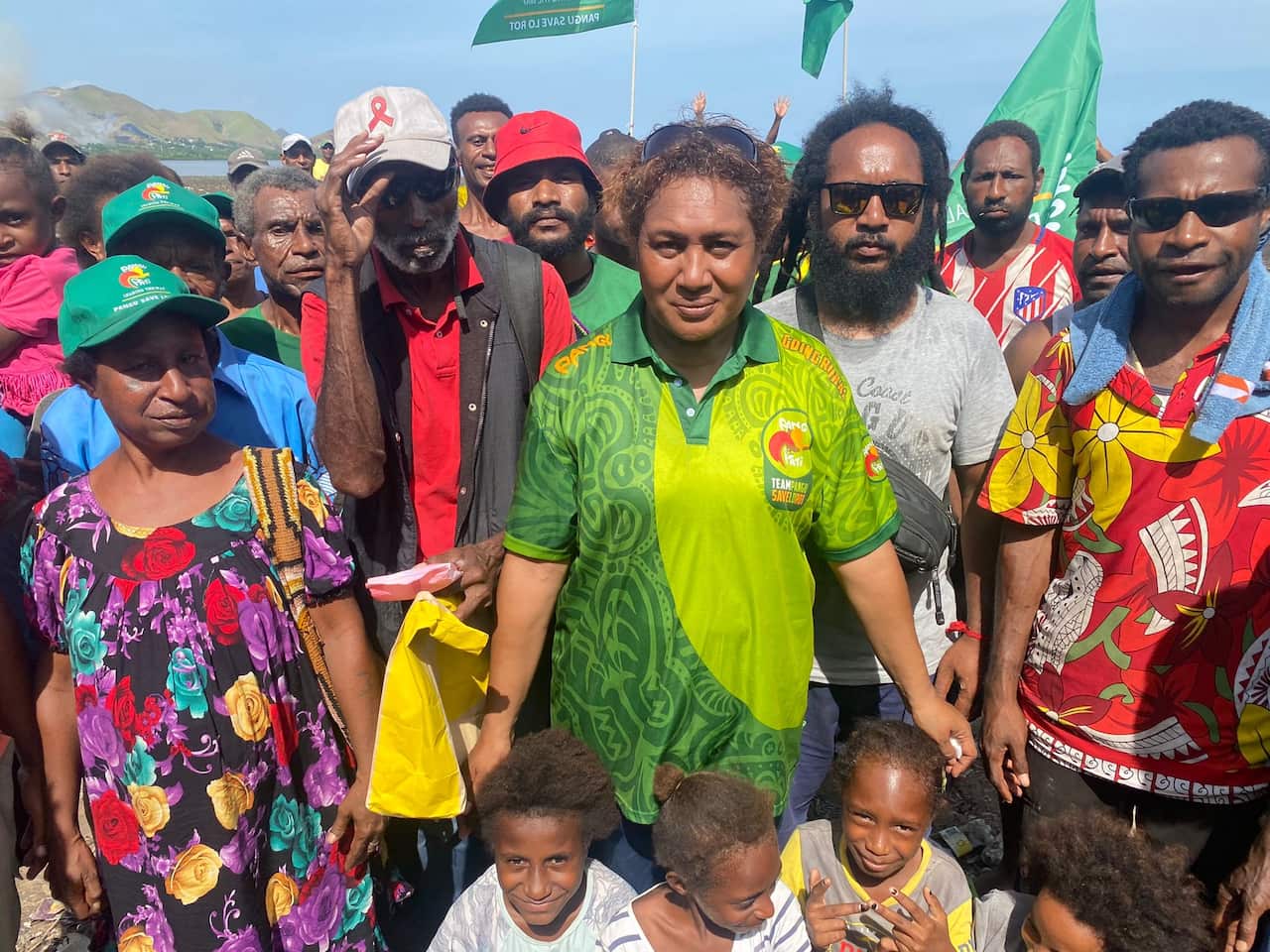
Lucielle Paru wants a better future for her country, people facing poverty, and for the next generation of women.
“We’re one of the top three not having no women in parliament, and yes, it’s really degrading,” she told SBS News as she campaigned in the capital Port Moresby.
News that makes sense
Your trusted source for staying up-to-date with the world around you. Get free daily news updates and analysis, straight to your inbox.
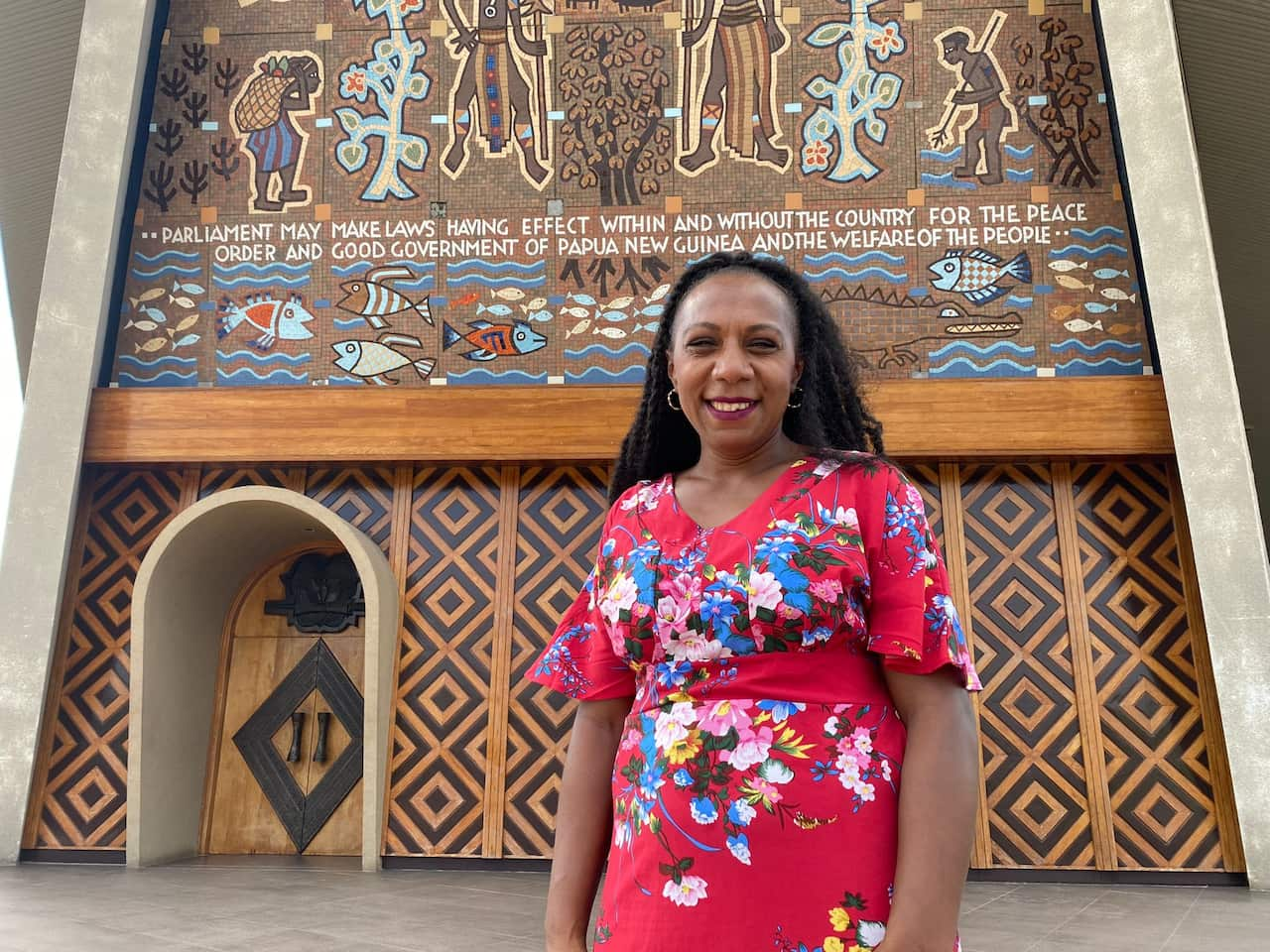
Sylvia Pascoe is another candidate also in the National Capital District, a young, successful entrepreneur who founded the city’s popular weekend markets.
“It [having women in parliament] will take us to be seen as a modern, forward-thinking country. It’s embarrassing, the international perception,” she said.
It’s embarrassing, the international perception.Sylvia Pascoe, Election candidate
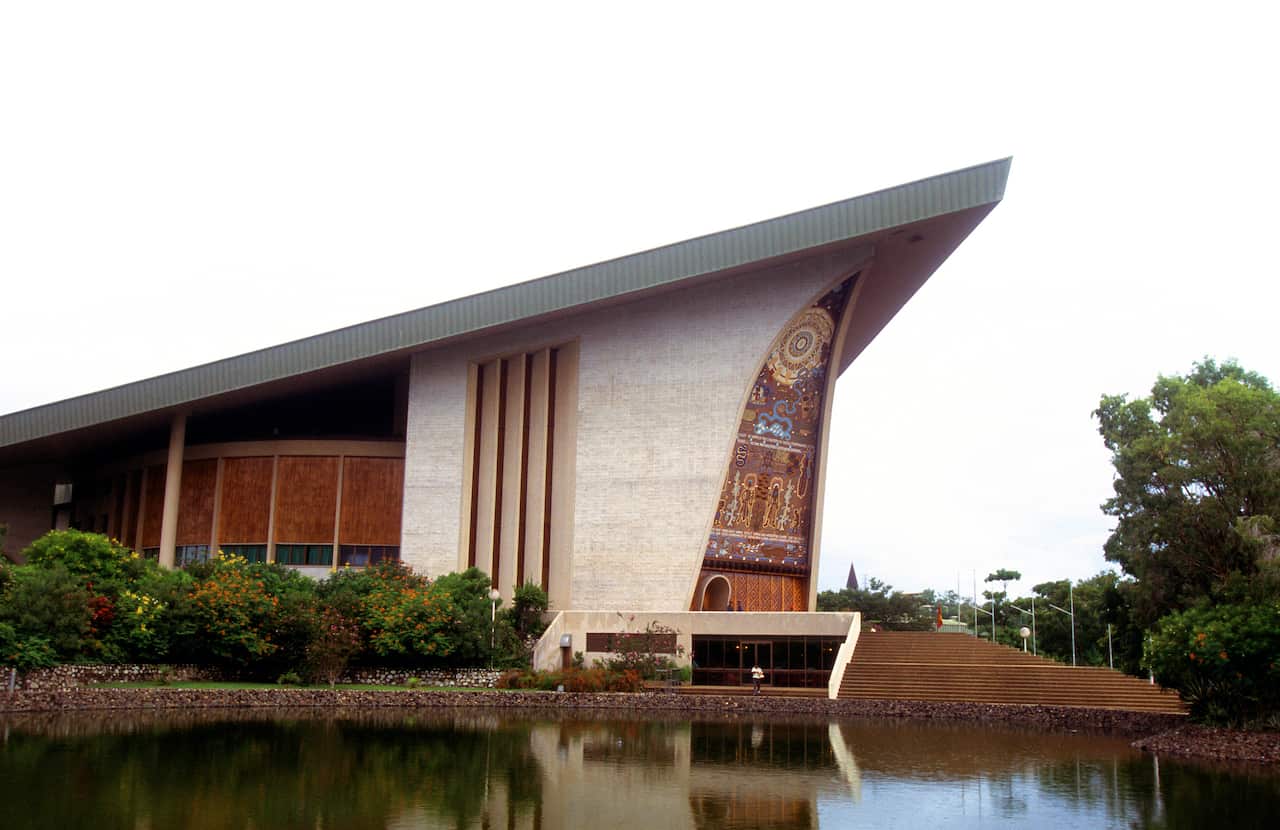
PNG’s stunning Parliament House, constructed in the early 1980s, incorporates many traditional designs on its facade promoting equality for all, men and women. But only seven female MPs have been elected since PNG’s independence from Australia in 1975.
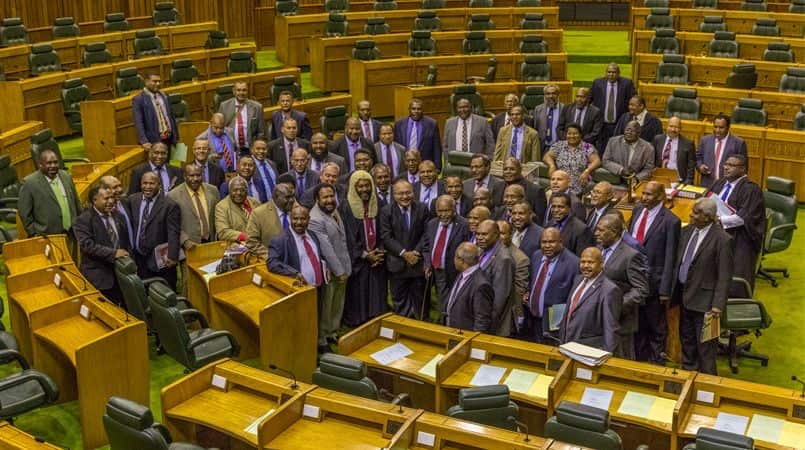
“What we need here is a change in terms of having women set their foot in parliament and make that change, we need that gender balance,” Ms Paru said.
Researching the country’s “big man and big money” culture, political scientist Geejay Milli from the University of PNG agrees.
“How they manage their household, their families, we can go back in history to see how we had men in front and women in the background,” she said.
“They were looking after the gardens, the pigs, the children, but we need to see these skills implemented at a national level if we are to see our country go forward.”
At least two-thirds of women in PNG have experienced domestic violence - many reporting extreme levels of gender-based violence. Those with knowledge of the country say it has left women there unrepresented in politics because female candidates face intimidation, and lack access to campaign finance resulting in them often being sidelined.
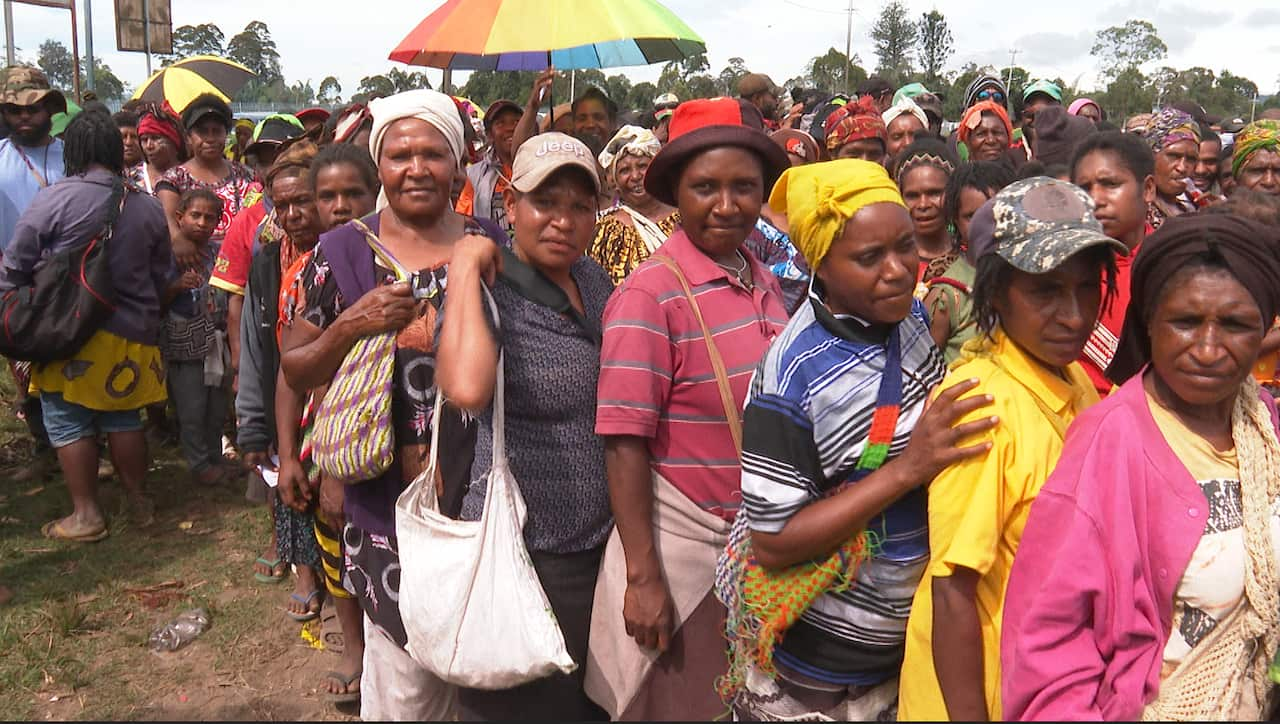
In this election, which began on 4 July, one of the few electoral reforms has been the introduction of gender-separated queues allowing women to vote in peace and with their voice.
“If the men are here we’d be scared, but the ladies are here so we feel comfortable,” one woman, Elizabeth, said while standing in line to vote in the capital of Hela Province called Tari, which has a reputation for turbulence and violence during elections.
Her family lives in Brisbane.
“In Australia, they respect ladies; here is very different. Women must be represented in parliament, ladies' voice must be heard.”
About 3,500 candidates are standing for election, with staggered voting running for about three weeks.
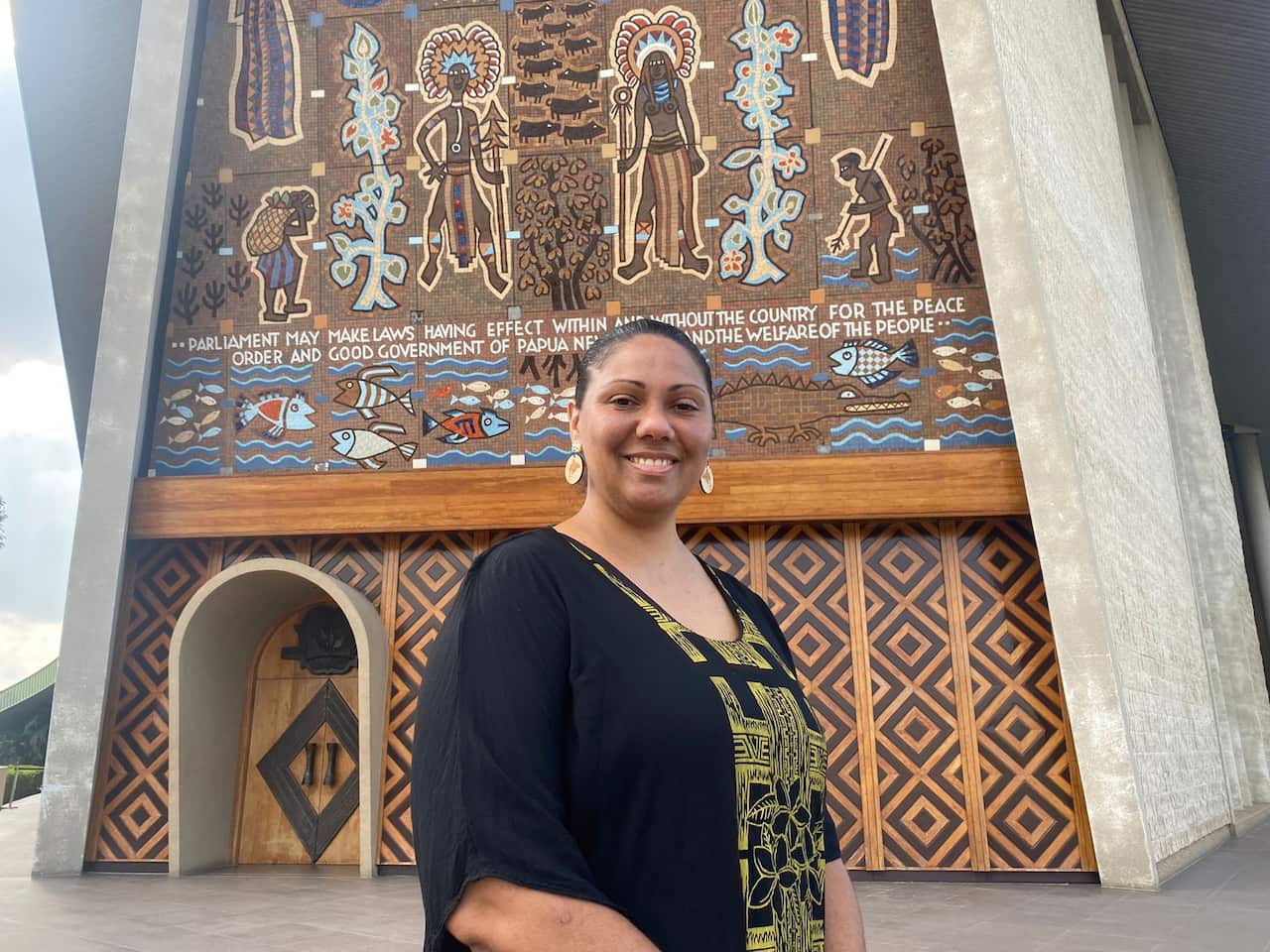
Ms Pascoe is endorsed by the People’s Party and is another of only 164 women running.
Party leader Sir Peter Ipatas, governor of Enga province, made the bold move to preselect four women for the four Port Moresby seats.
“It’s our responsibility to make that happen in my lifetime, I’m not gonna wait and talk about it 20 years from now. I’m gonna be part of it now,” Ms Pascoe said.
She is advocating for generational change.
“In a very PNG context, when there’s food to be distributed, if a father’s in charge of it he feeds himself first and then everyone else gets to eat what’s left over. But a mother, when she goes and gets food, she feeds everybody else first,” she says.
Geejay Milli from the University of PNG is among those calling for a legislated quota of women in parliament, known as reserved seats, as a starting point.
“Some women are good, some are not, just like men. Some men are good leaders and some are not,” she said.
“We have to identify those that have a heart and that are genuine for development and for change.”
The introduction of reserved seats was rejected by the previous governing Pangu Party.
“It was unfortunate that we have a parliament filled with men which makes it difficult to bring something like that across the line,” Ms Milli said.
But opinion is divided on quotas.
“Why should I be given a free seat, if I fight for it? And if I get it and know that I have the people’s support,” said Ms Paru, a Pangu Pati candidate.
“I was PNG’s first female aircraft engineer, breaking into a male-dominated field, I wasn’t given a free ticket.”
I was PNG’s first female aircraft engineer, breaking into a male-dominated field, I wasn’t given a free ticket.Lucielle Paru, Election candidate
The concept is one that is challenging in PNG culture with 850 different languages in a population of about nine million.
“We don’t have the words in every language to clearly explain what reserved seats are, so I think women will face a backlash if they got into parliament that way,” said Ms Pascoe.
“It’s just the public perception with those words in PNG. Maybe we need to find a different way to explain it so that people don’t just think you’ve been handed something because you are a woman.”
Even if only one woman is elected, it’s one step in the right direction for Papua New Guinea.
If you or someone you know is impacted by family and domestic violence, call 1800RESPECT on 1800 737 732 or visit 1800RESPECT.org.au. In an emergency, call 000.







