
The United Nations says that more than 100,000 people have been killed since and millions have been displaced or fled the country.
Here is a look at how it all began:
2011
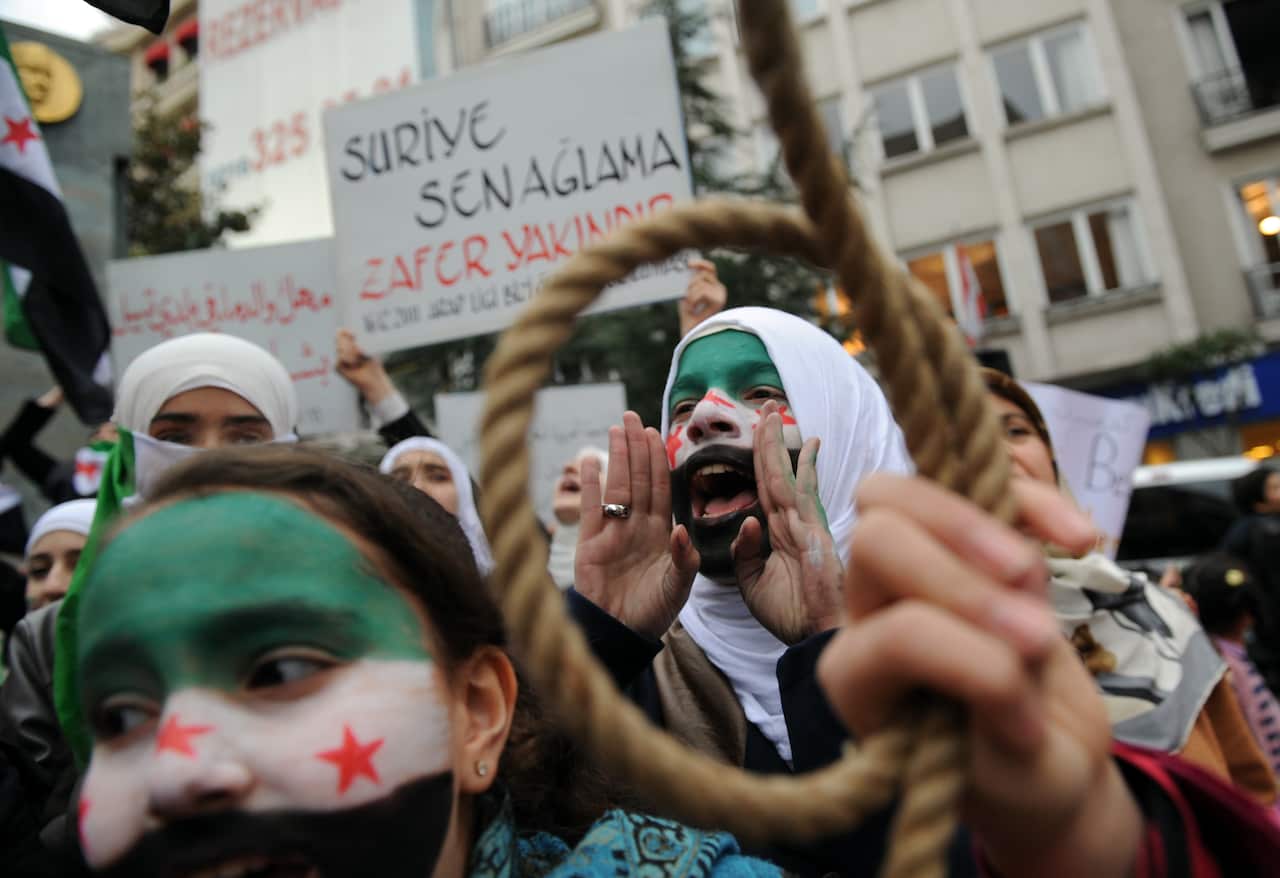
March 15: First protests after Facebook calles for a "Day of Dignity" demanding greater civil liberties and freedom for political prisoners.
March 23: 100 people reportedly killed in a crackdown in Daraa, cradle of the uprising.
News that makes sense
Your trusted source for staying up-to-date with the world around you. Get free daily news updates and analysis, straight to your inbox.
April-July: Protests spread across Syria and strengthen, with calls for the overthrow of President Bashar al-Assad's regime.
August 18: US President Barack Obama and his allies urge Assad to quit. Western and Arab states later impose sanctions on his regime.
(AAP)
2012
June 16: UN observers, deployed to monitor an April truce deal which was not respected, suspend operations.
July 18: Four senior security officials, including Assad's brother-in-law Assef Shawkat, killed in a Damascus bombing.
July 19: Russia and China veto for the third time a resolution threatening the regime with sanctions.
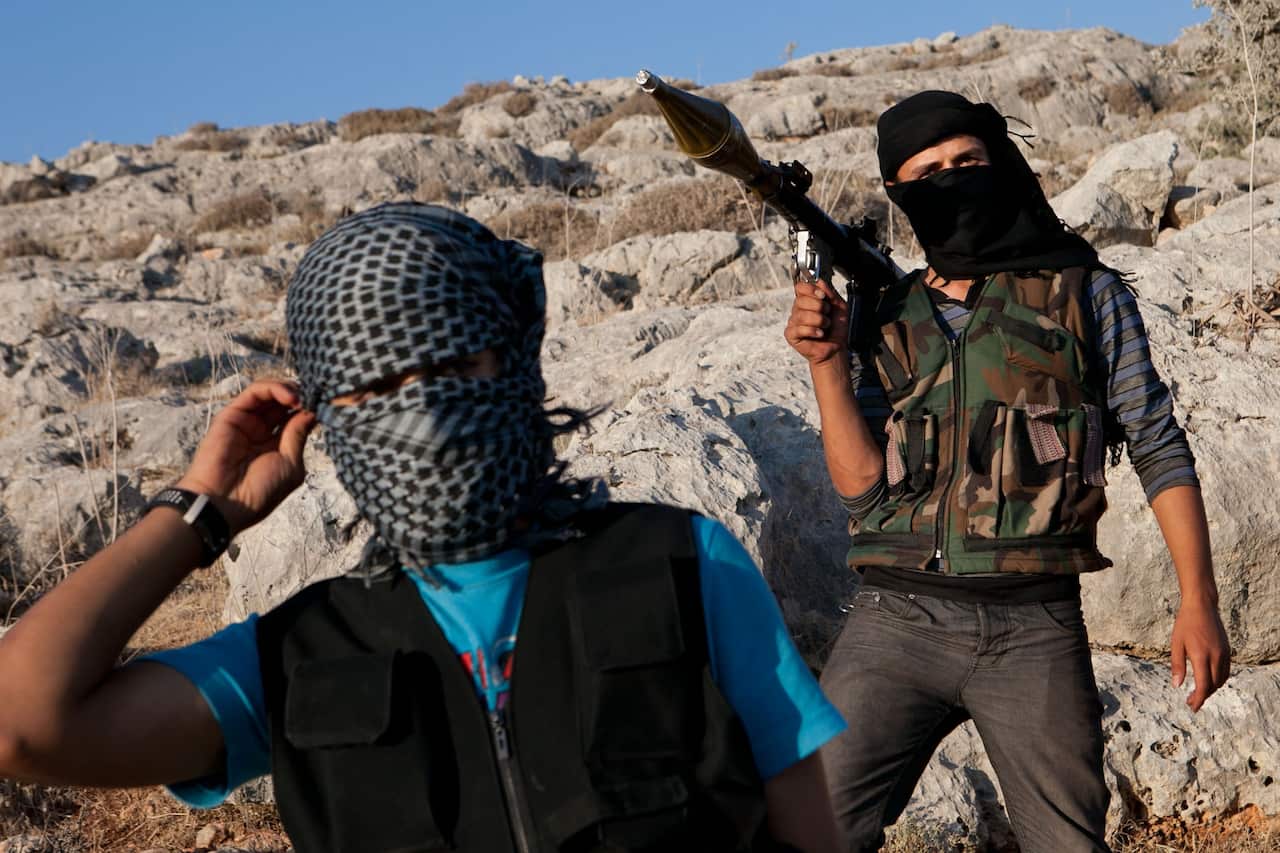
July 20: Rebels launch a major assault on commercial capital Aleppo. On July 28 the military launches a counter-offensive.
November 11: The opposition signs a unity deal in Doha to form a National Coalition.
(Getty)
2013
February 21: Bombings across Damascus kill at least 83 people.
March 6: The northern city of Raqa comes under rebel control in their biggest victory to date.
May 3-5: Israeli raids hit military sites outside Damascus, reportedly targeting weapons bound for Lebanese Shiite militant group Hezbollah.
June 5: The army recaptures the key town of Qusayr after an assault led by fighters from Lebanon's Hezbollah.
June 13: Washington says that the regime has used chemical weapons against rebels.
July 8: Assad replaces the ruling Baath party's leadership.
July 17: Kurdish fighters expel jihadists from the flashpoint frontier town of Ras al-Ain and the nearby border crossing with Turkey, sparking clashes in mainly Kurdish regions.
July 29: Regime troops recapture Khaldiyeh, a key rebel district of Homs.
August 4: Assad says the crisis will be solved only "with an iron fist".
August 6: Rebels seize the key Minnigh air base in Aleppo province.
August 8: The regime denies rebel claims of an attack on Assad's motorcade in Damascus. Opposition chief Ahmad Jarba visits Daraa in the south to mark the Muslim Eid al-Fitr feast.
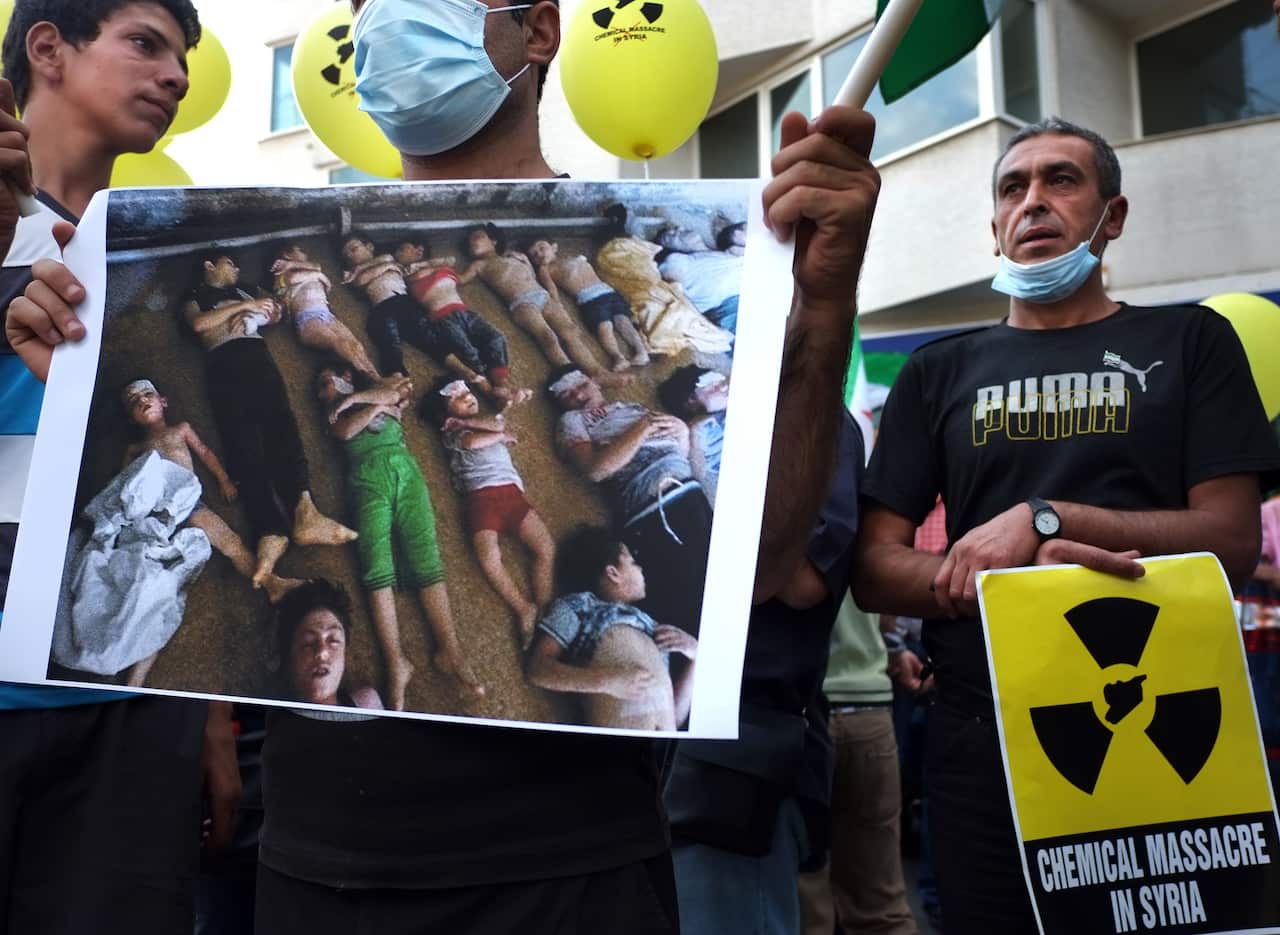
August 21: Syrian citizens in the suburbs of Damascus are attacked with rockets thought to contain the nerve agent sarin. Assad's regime is accused of launching the chemical weapons attack.
August 30: US intelligence announce 1,429 killed in suspected chemical weapons attack.
(AAP)
August 31: President Barack Obama calls for a vote in Congress over a potential military strike against Syria as punishment for their use of chemical weapons.
September 9: Russia proposes that Syria give up their chemical weapons to international control to avoid a US strike.
September 16: UN weapons inspectors say they found "convincing evidence" that sarin gas was used in the August chemical weapons attack in Damascus.
October 1: Weapons inspectors from the Organization for the Prohibition of Chemical Weapons arrive in Damascus to begin the destruction of chemical weapons in Syria.
October 29: Syrian citizens flee the Damascus suburb of Moadamiyeh after a nine month siege in which they were cut off from food and medical aid.
October 31: The Organisation for the Prohibition of Chemical Weapons announces Syria's chemical weapons production facilities have ceased to operate.
November 22: Seven rebel opposition groups announce their merger into the Islamic Front. The group sets itself apart from exisiting rebel coalition the Syrian National Council, linked to the Free Syrian Army.
December 11: The US and UK suspend all non-lethal aid to Syrian opposition forces after Islamic Front forces seize key bases of the Western-backed Free Syrian Army.
December 15: Syrian warplanes drop barrel bombs and missiles on the city of Aleppo, killing and injuring hundreds of citizens and overwhelming local hospitals. The strikes continue for five days.







