in brief
- Over 800 Torres Strait Islander men enlisted in World War Two — about a fifth of the population.
- Anzac Day in the Torres Strait reflects deep cultural pride and calls for wider recognition of a long-overlooked history.
In Australia's far north, the Anzac Day weekend brings up a long-held legacy for the communities that live there.
The Torres Strait Islands are the birthplace of the only all-Indigenous Battalion that has been formed in Australia's military history.
The group, later known as the Torres Strait Light Infantry Battalion, saw almost every able-bodied man in the region enlist during the Second World War.
More than 800 Torres Strait Islander men — one in five of the region's entire population of 4,000 — put their hand up to protect Australia's north against Japanese forces in World War Two.
News that makes sense
Your trusted source for staying up-to-date with the world around you. Get free daily news updates and analysis, straight to your inbox.
It remains the highest rate of enlistment per population in the Commonwealth, and the largest First Nations unit ever formed in Australia's military history.
They signed up under profoundly unequal conditions.
They were not on the Commonwealth census, they didn't have the right to vote, and were paid half the wage of other diggers.
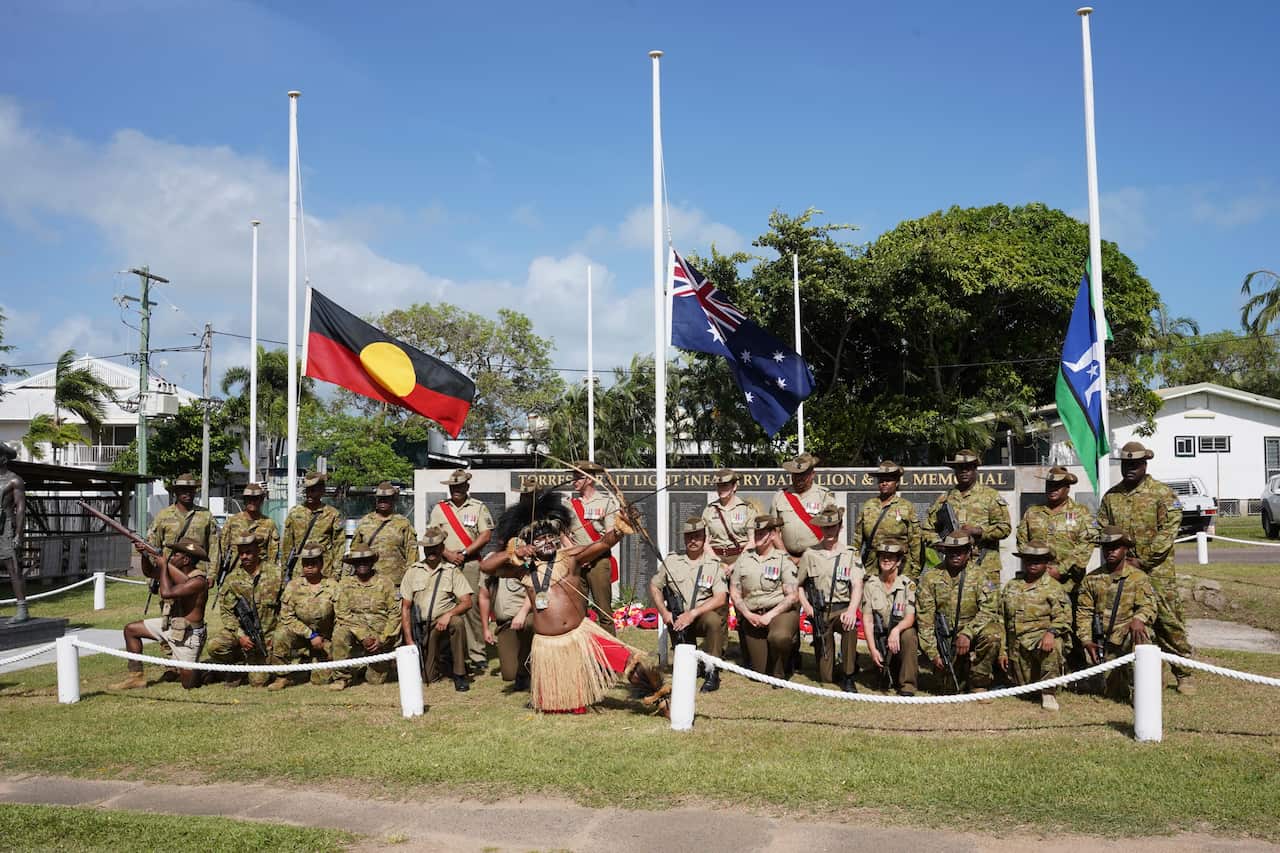
On Saturday, the picturesque scenes on Waiben (Thursday Island) were the backdrop for a commemorative service that honoured that legacy.
'Continuation of the warrior spirit'
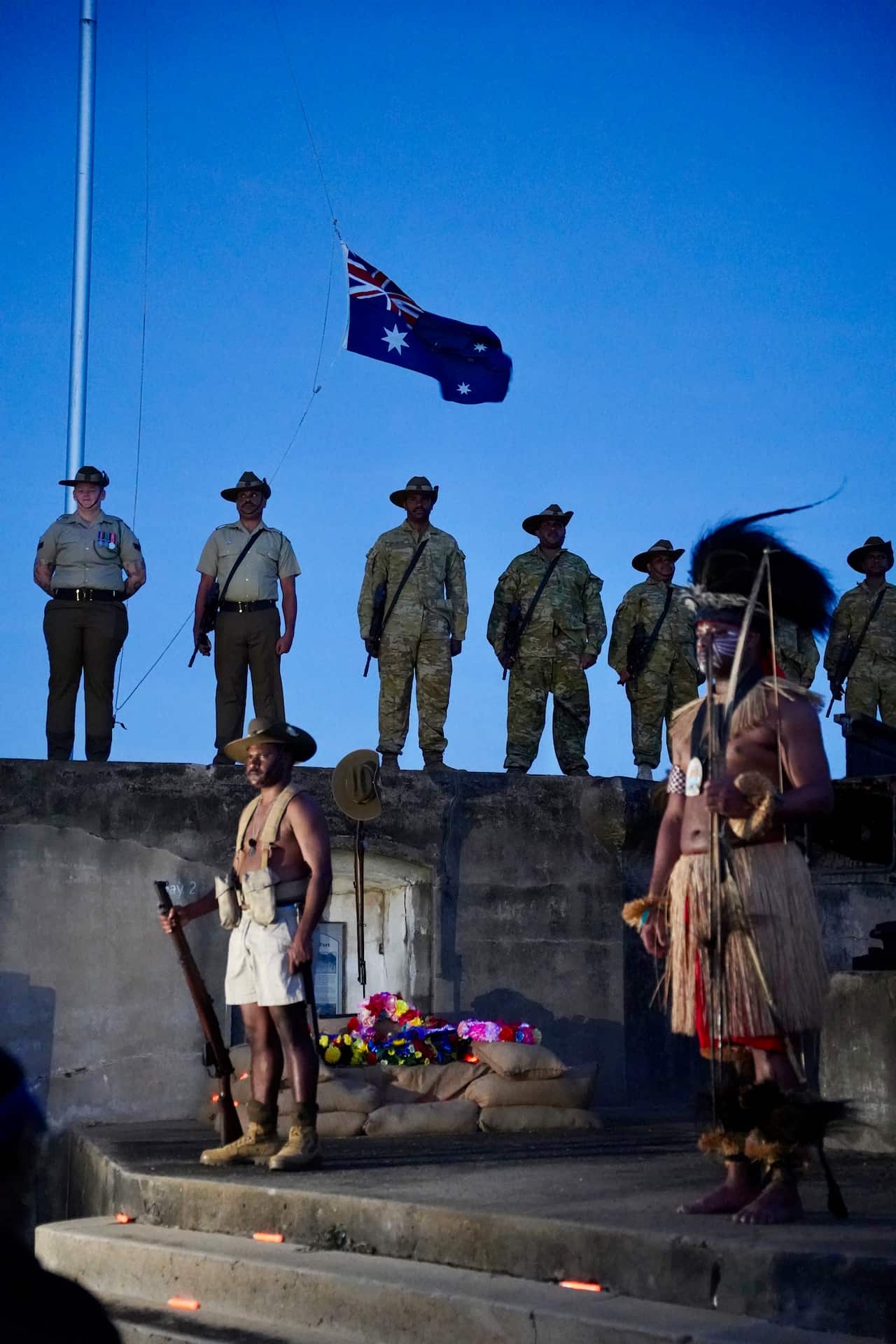
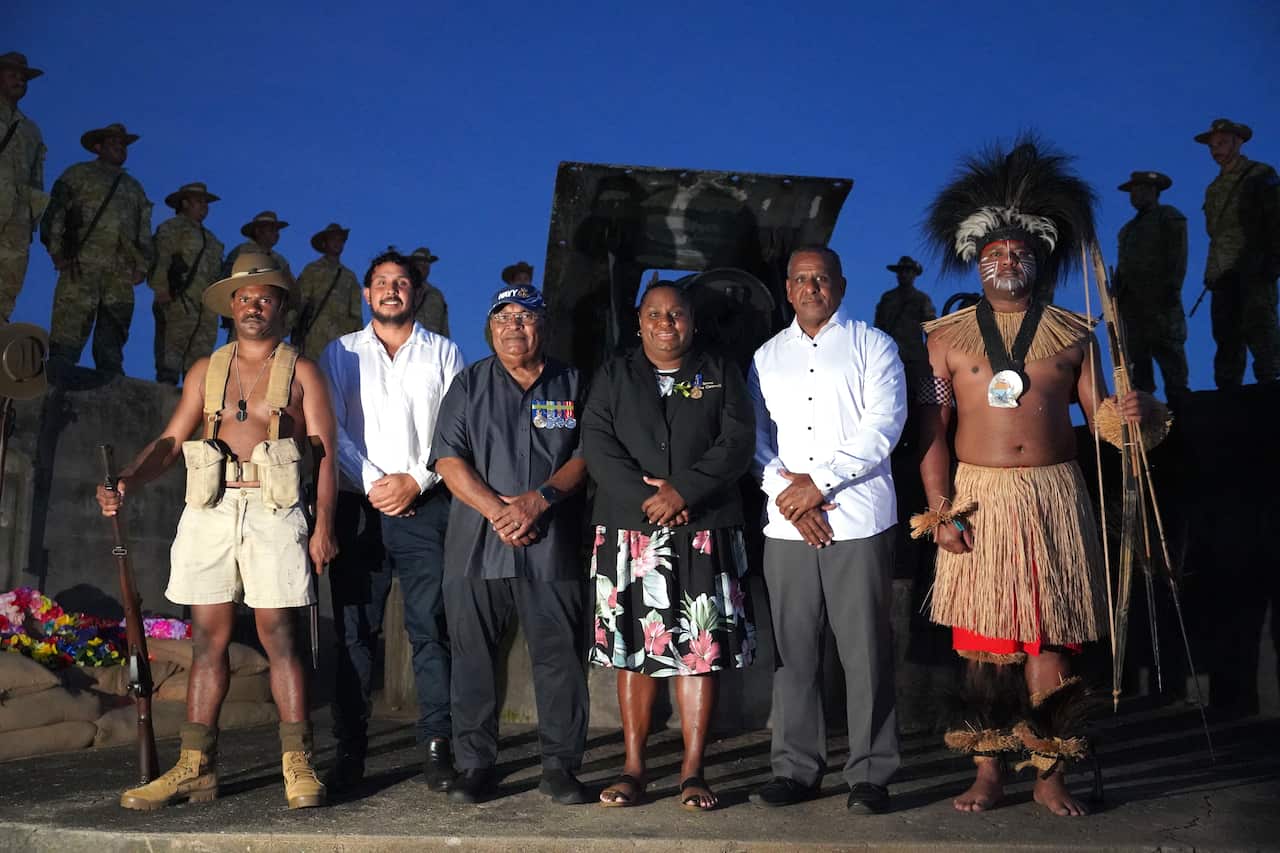
An Anzac Day service held on Thursday Island's Green Hill Fort — built in the late 1800s as part of Australia's defence against a possible Russian invasion — is much more personal to the people of the Torres Strait Islands.
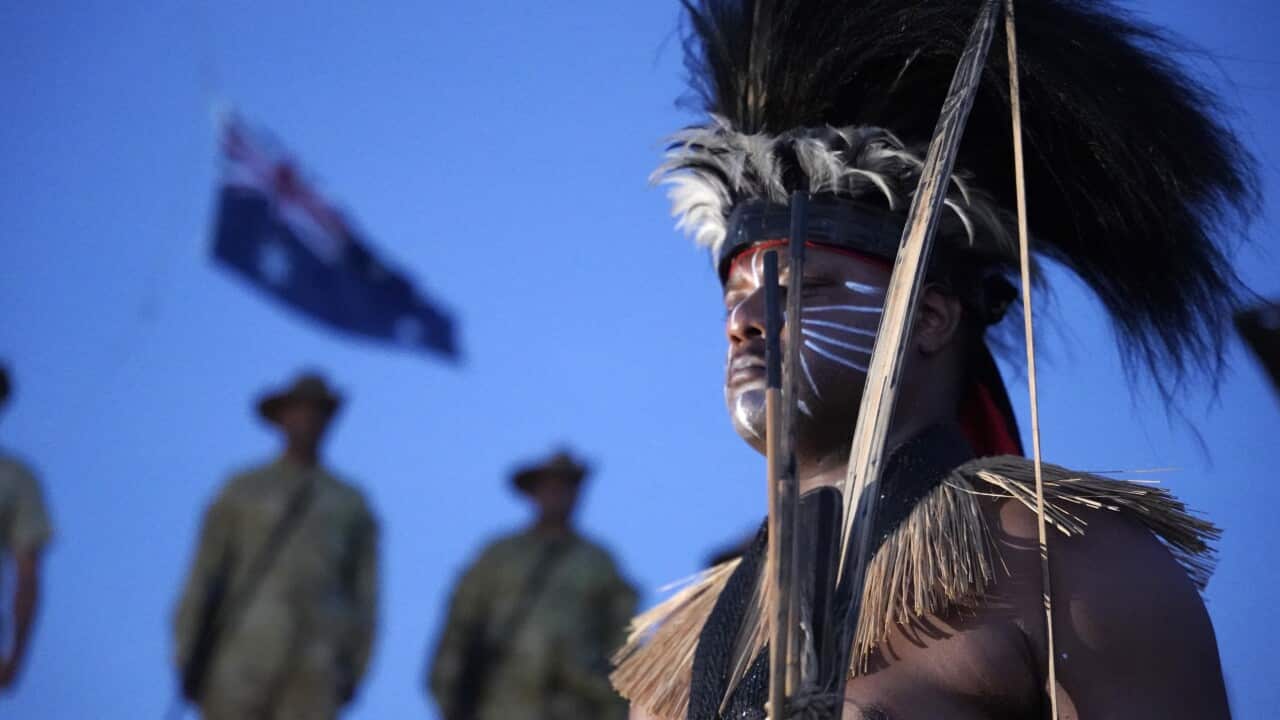
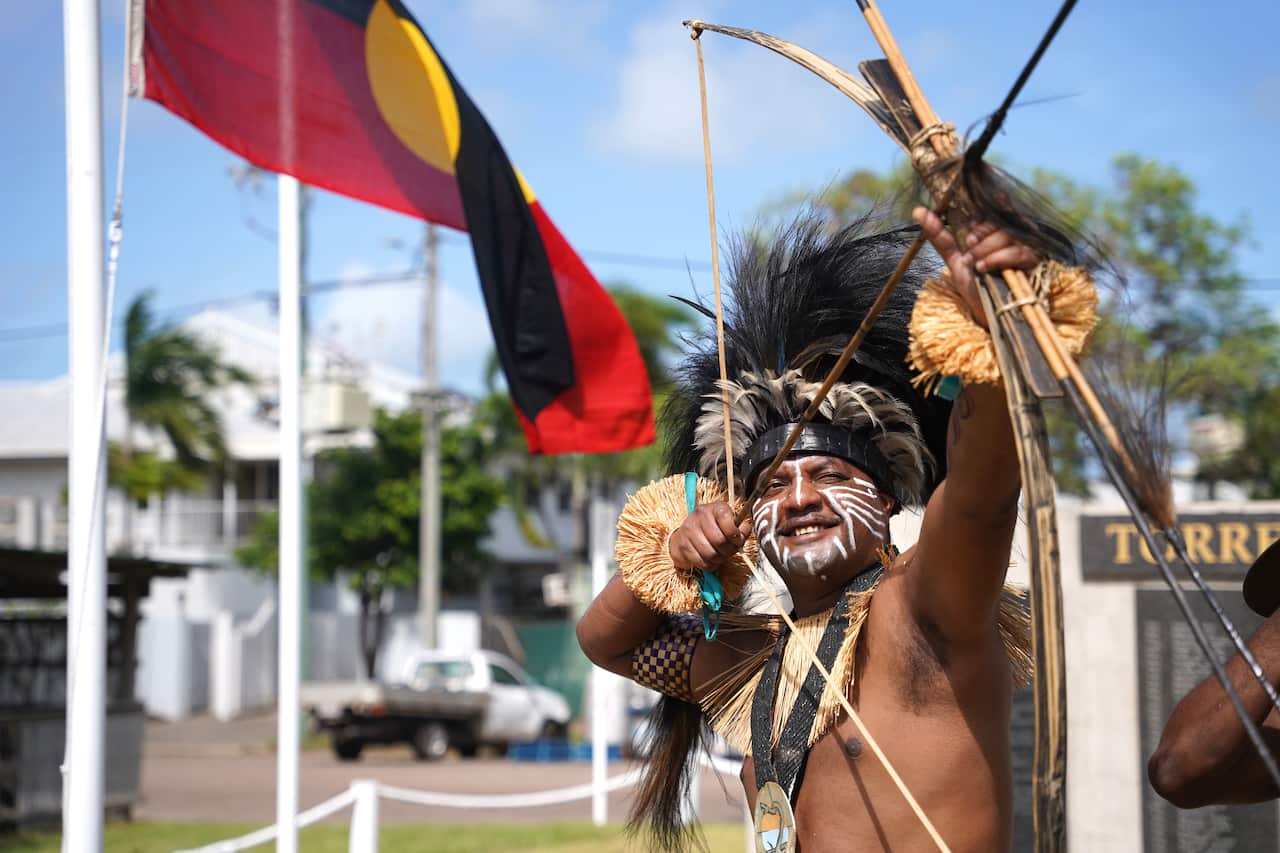
Some attendees wear warrior garments, which represent traditional warfare, known to have protected the surrounding sea country for thousands of years.
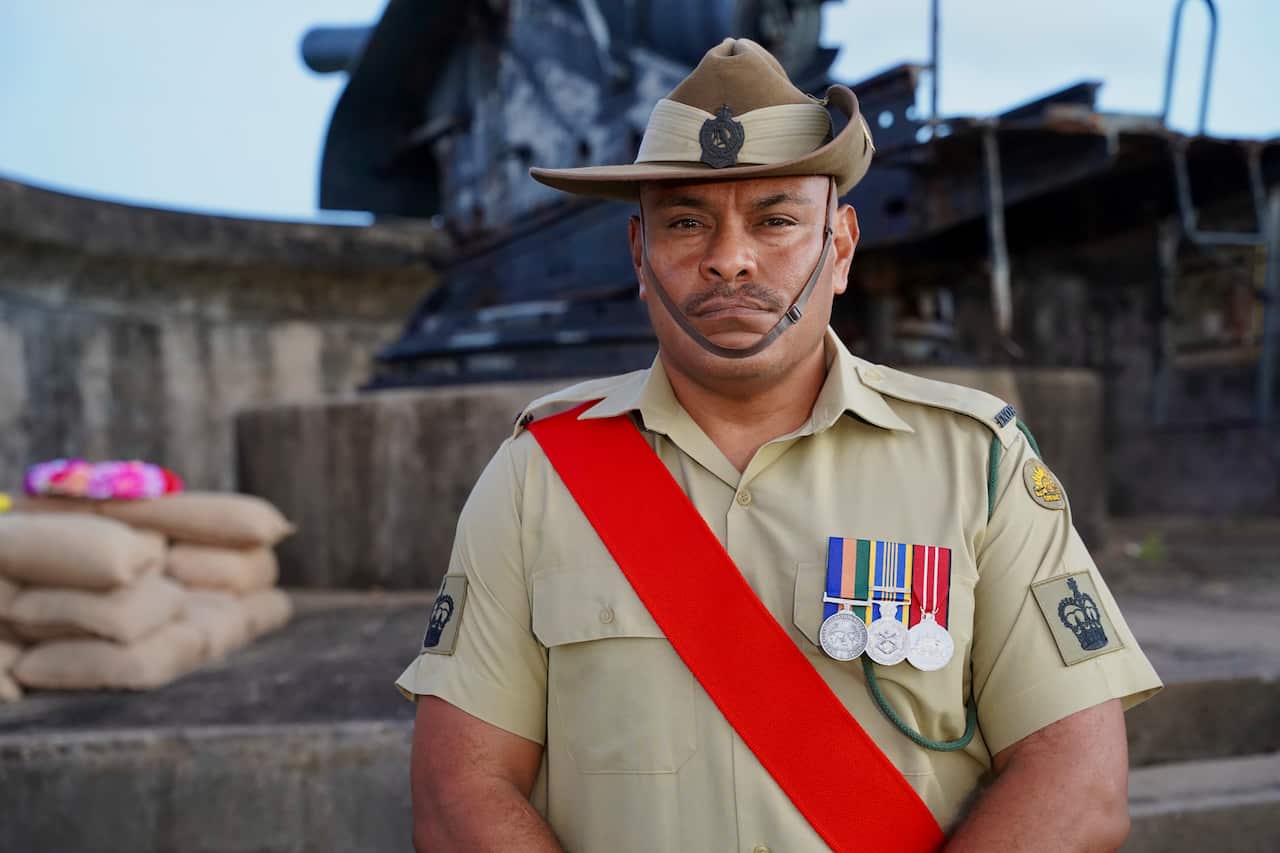
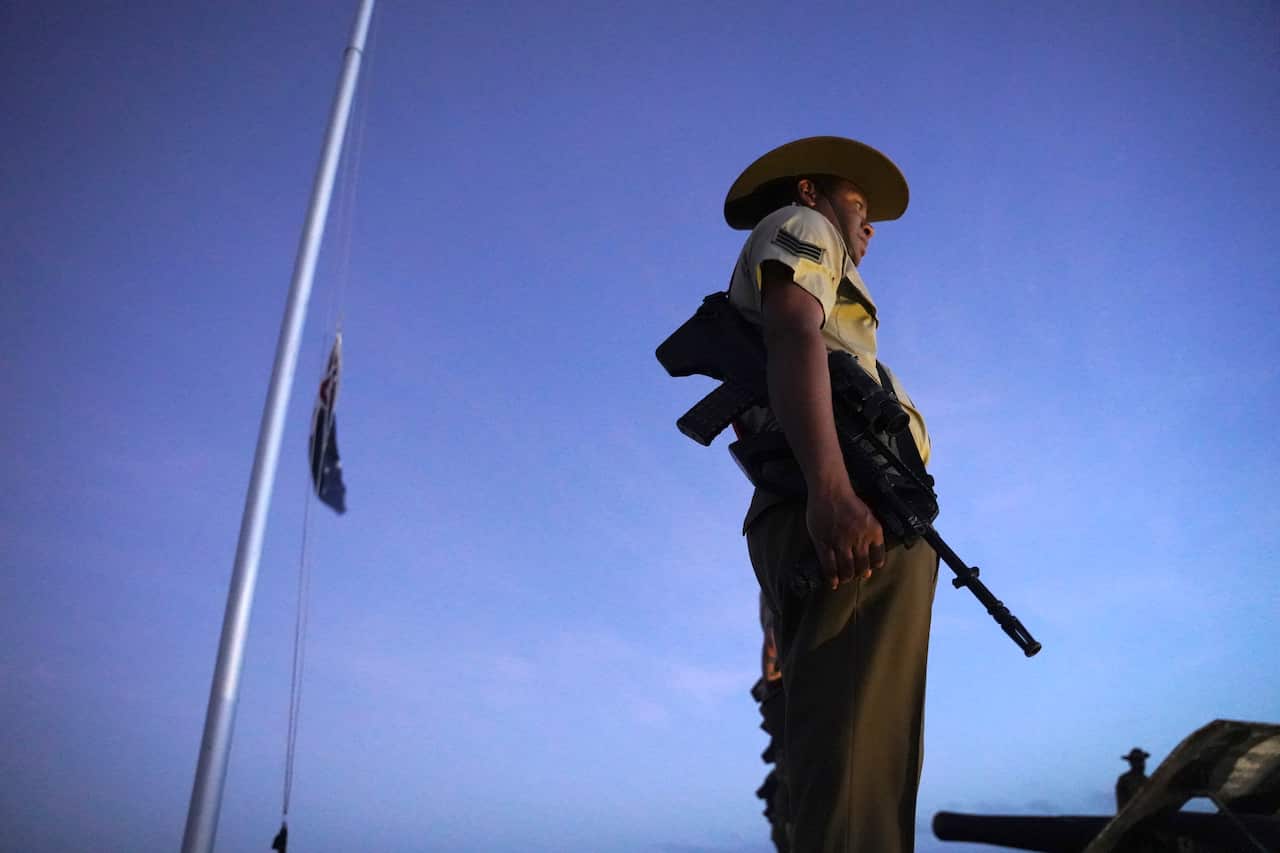
Warrant Officer and patrol master Troy Laza, who focuses on training and welfare for those currently serving in the Torres Strait, said the connection to wartime service is near-universal.
"There is a lot of pride — a lot of pride — because every single person can trace their family back to a serving member," he said.
Laza points to something older still beneath that military history.
"The warrior spirit that lives in the Torres Strait has been here from times past and continues through to what we do now."
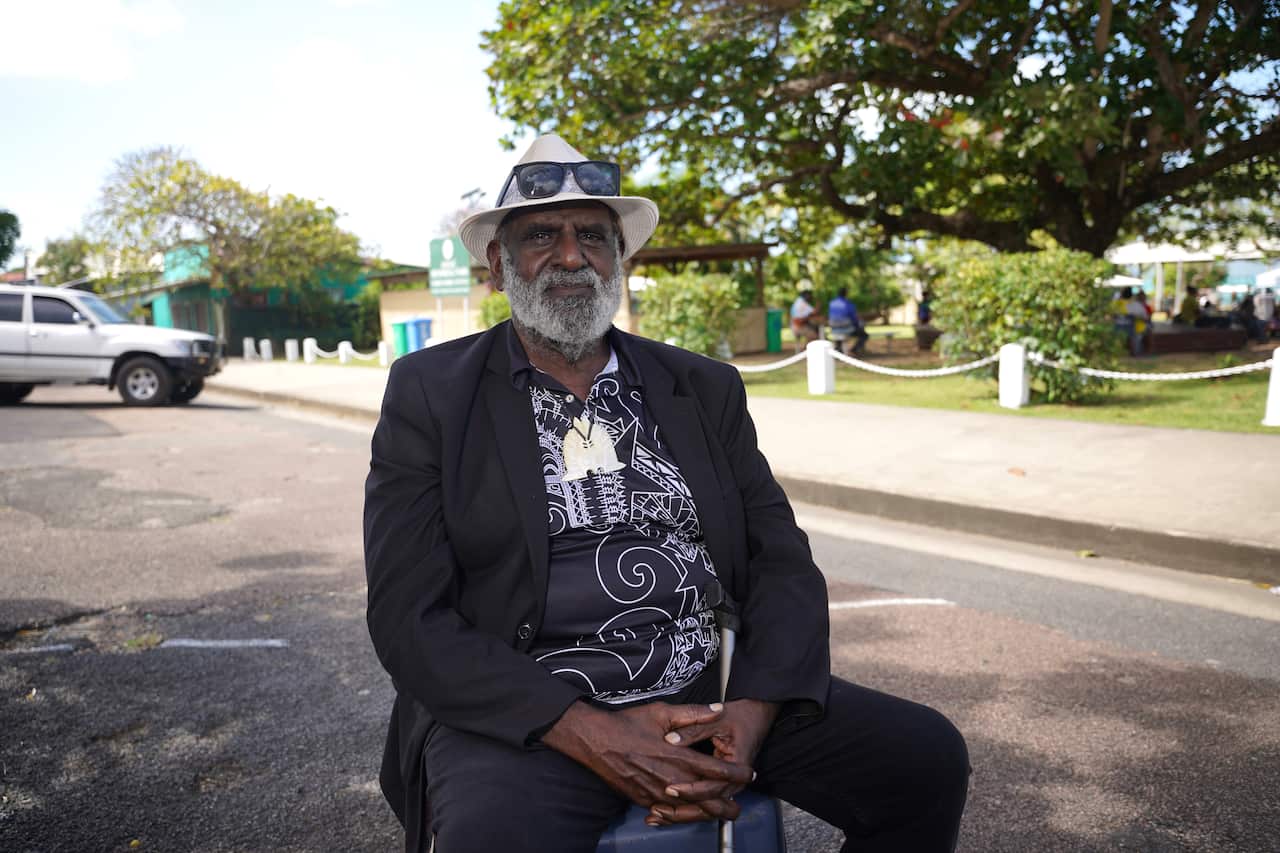
Veteran and Wagadagam Tribal Elder, Gabriel Bani, said the Islands' warrior and defence history is embedded into Anzac Day.
"The history of us as a people is that we come from a warrior race of people," he said. "The protection of the region was an obligation that was carried out by each island community who were independent in their own right."
"It's an old nation that is accustomed or used to warfare and defence. For Anzac Day, we start looking at it in that context."
A 'forgotten' story
Gabriel said the commemorative services on Thursday Island tell an often "forgotten" story.
"Without a voice, without equal pay or recognition — some made the ultimate sacrifice," Elder Gabriel said.
Gabriel, who joined the army reserves in the 1980s, said the commemoration tells a story that remains poorly understood beyond the islands.
"It is very, very important not only for Torres Strait Islanders themselves but for the whole country," he said. "But not many people know about our existence. We still bump into people today."
He also takes the weekend to reflect on what he knows as the Frontier Wars: "They were wars that happened when we had contact with people coming in from the outside."
Horn Island in the Torres Strait was the second most attacked location in Australia during the Second World War, behind Darwin.
Gabriel stresses all Anzac stories should be told in the "full context".
"For young people, for school ... so that people can see the truth, but people can also [have] genuine appreciation and understanding of a nation trying to form an identity now," he said.
"I get emotional a lot ... I cry a lot [at] Anzac Day ceremonies."
Today, he continues his role as a tribal elder, cultural mentor and advisor, and wants the Torres Strait Islands’ wartime history to be a legacy known Australia-wide.
"To understand who they are, to know their story, I think that would be important," he says.
"We say reconciliation, but I would rather say healing."
Josh van Staden travelled to Thursday Island with support from the Pulitzer Center.
For the latest from SBS News, download our app and subscribe to our newsletter.







